-
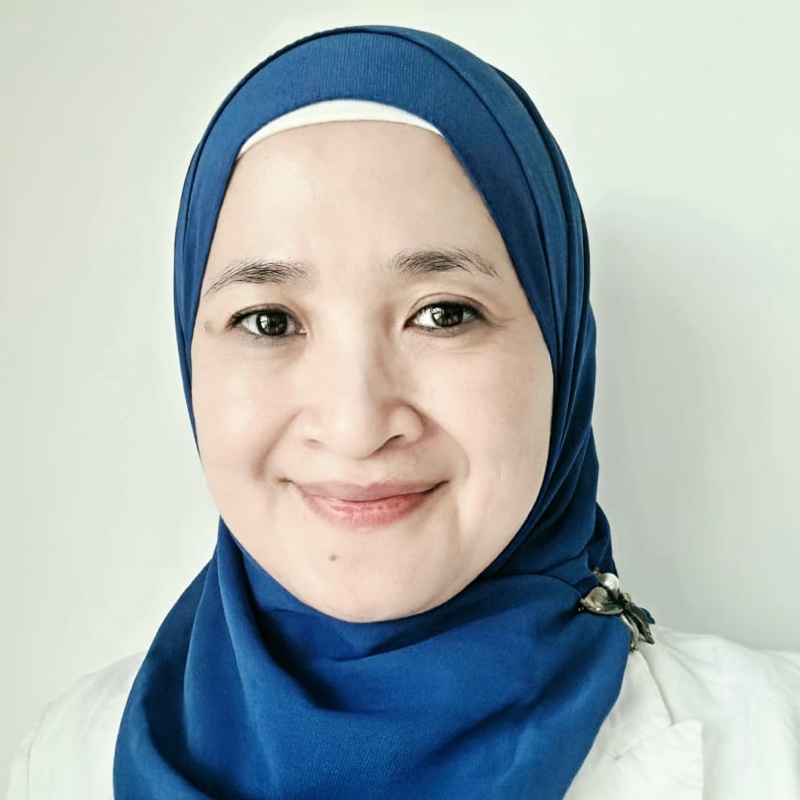
Elizabeth Fitriana Sari
- Associate Professor
- Ext: --
Dr Elizabeth Fitriana Sari is an Associate Professor of Oral Medicine and Oral Pathology at Ajman University and a qualified Oral Medicine Specialist with over two decades of academic, clinical, research, and leadership experience across Indonesia, Australia, and the UAE. She previously served as Dentistry Course Coordinator (Academic Lead of Dentistry Program) at La Trobe University, Australia (2021–2023) and Head of an Oral Medicine Specialist Program in Indonesia (2010–2015). Her expertise encompasses oral mucosal diseases, oral potentially malignant disorders, oral cancer prevention and early detection, and professional education. She has received multiple national and international research grants and awards, as well as a patent for oral cancer education and training for health professionals. Dr Sari leads multidisciplinary and international research and educational collaborations aimed at advancing evidence-based education, research, and clinical practice. Her oral cancer education initiatives and workshops have trained more than 1,800 dental professionals across Indonesia and Papua New Guinea to date.
Education
- PhD - Melboourne Dental School, The University of Melbourne, Australia, 2020
- Oral Medicine Specialist - University of Indonesia, 2009
- Doctor of Dental Surgey - Universitas Padjadjaran, Indonesia, 2002
- Bachelor of Dental Science - Universitas Padjadjaran, Indonesia
- Certificate of Teaching in Higher Education (CertHE), held by The University of Melbourne, Australia, 2017
- Certificate of Curriculum Construction, Teaching Approach, and Problem-Based Learning in Dentistry from Radboud Universiteit, The Netherlands, in collaboration with the World Health Organization (WHO). 2006
- Certificate for High performance staff training 2024” for 9 months, conducted by Latrobe University, Australia, 2024
- Certificate for The 4-week comprehensive Dentistry training program (January – February 2023) conducted by Australian Dental Health Service Victoria, 2023
PhD - Melboourne Dental School, The University of Melbourne, Australia, 2020
Oral Medicine Specialist - University of Indonesia, 2009
Doctor of Dental Surgey - Universitas Padjadjaran, Indonesia, 2002
Bachelor of Dental Science - Universitas Padjadjaran, Indonesia
Certificate of Teaching in Higher Education (CertHE), held by The University of Melbourne, Australia, 2017
Certificate of Curriculum Construction, Teaching Approach, and Problem-Based Learning in Dentistry from Radboud Universiteit, The Netherlands, in collaboration with the World Health Organization (WHO). 2006
Certificate for High performance staff training 2024” for 9 months, conducted by Latrobe University, Australia, 2024
Certificate for The 4-week comprehensive Dentistry training program (January – February 2023) conducted by Australian Dental Health Service Victoria, 2023
Experience
- Associate Professor in Oral Pathology and Oral Medicine, Ajman University, Jan 2026 - present
- Senior Lecturer in Dentistry and Oral Health, Latrobe University, Australia, Jan 2020 - Dec 2025. And Academic Lead of Dentistry Program / Course Coordinator (2021-2023)
- Lecturer, Melbourne Dental School, The University of Melbourne, Australia, Nov 2015 - Dec 2019
- Head of Oral Medicine Specialist Programme, Universitas Padjadjaran, Indonesia, 2010 - 2015
- Oral Medicine Specialist/Consultant, and research collaborator of Oral Medicine Specialist Programme, University of Hasanuddin, Indonesia. 2024 - now
- Research Project Leader for Australia and Indonesia funded by DFAT, Delivered national dentist training across Indonesia to over 1,800 professionals. https://www.latrobe.edu.au/news/announcements/2021/la-trobe-academics-awarded-australia-indonesia-grants
- AHPRA registered dentist for clinical supervision and research, Australia
- Committee Fellow – Oral Medicine Specialist Curriculum Development, University of Papua New Guinea (2021–present).
- An invited Research Committee team of Asia Smart Cities Research Innovative (ASCRIN), 2022 - 2025
- An invited Research Committee team of Violet Vines Marshman Centre for La Trobe Rural Health School, 2022 - 2025
- Committee of Oral Cancer prevention program by Australian Dental Health Service Victoria, 2024 - now
- Committee of National Oral Medicine Examination of Indonesian Oral Medicine Collegium (KIPMI), 2010–2015.
- Academic Integrity Advisor at Latrobe University, 2023 - 2025
Associate Professor in Oral Pathology and Oral Medicine, Ajman University, Jan 2026 - present
Senior Lecturer in Dentistry and Oral Health, Latrobe University, Australia, Jan 2020 - Dec 2025. And Academic Lead of Dentistry Program / Course Coordinator (2021-2023)
Lecturer, Melbourne Dental School, The University of Melbourne, Australia, Nov 2015 - Dec 2019
Head of Oral Medicine Specialist Programme, Universitas Padjadjaran, Indonesia, 2010 - 2015
Oral Medicine Specialist/Consultant, and research collaborator of Oral Medicine Specialist Programme, University of Hasanuddin, Indonesia. 2024 - now
Research Project Leader for Australia and Indonesia funded by DFAT, Delivered national dentist training across Indonesia to over 1,800 professionals. https://www.latrobe.edu.au/news/announcements/2021/la-trobe-academics-awarded-australia-indonesia-grants
AHPRA registered dentist for clinical supervision and research, Australia
Committee Fellow – Oral Medicine Specialist Curriculum Development, University of Papua New Guinea (2021–present).
An invited Research Committee team of Asia Smart Cities Research Innovative (ASCRIN), 2022 - 2025
An invited Research Committee team of Violet Vines Marshman Centre for La Trobe Rural Health School, 2022 - 2025
Committee of Oral Cancer prevention program by Australian Dental Health Service Victoria, 2024 - now
Committee of National Oral Medicine Examination of Indonesian Oral Medicine Collegium (KIPMI), 2010–2015.
Academic Integrity Advisor at Latrobe University, 2023 - 2025
Teaching Area
- Oral Medicine
- Oral Pathology
- Microbiology & Immunology
- Orofacial pain for MSc in Oral and Maxilofacial Surgery
- The craniofacial and dentoalveolar complex for MSc Paediatric dentistry
Oral Medicine
Oral Pathology
Microbiology & Immunology
Orofacial pain for MSc in Oral and Maxilofacial Surgery
The craniofacial and dentoalveolar complex for MSc Paediatric dentistry
Research
- Oral Cancer and Oral Potentially Malignant Disorders
- Oral cancer risk factors. Particularly, but not limited to betel quid use
- Oral cancer prevention model for oral healthcare workers (Dentist, Physician, Dental Nurse, Oral Health Therapist)
- Oral Microbiome for detection and treatment of oral cancer
- Artificial intelligence use for oral cancer screening
- Educational intervention of Oral Cancer for Oral Health workers, digital vs non-digital
- Co-design and Design thinking method for the development of the oral cancer centre project
- Betel Quid Harm Minimization Program
- Curricullum Construction in Dentistry
Oral Cancer and Oral Potentially Malignant Disorders
Oral cancer risk factors. Particularly, but not limited to betel quid use
Oral cancer prevention model for oral healthcare workers (Dentist, Physician, Dental Nurse, Oral Health Therapist)
Oral Microbiome for detection and treatment of oral cancer
Artificial intelligence use for oral cancer screening
Educational intervention of Oral Cancer for Oral Health workers, digital vs non-digital
Co-design and Design thinking method for the development of the oral cancer centre project
Betel Quid Harm Minimization Program
Curricullum Construction in Dentistry
Publications
-
JournalBhoomija Chauhan, Xia Li, Michael McCullough, Nicola Cirillo, Elizabeth Sari, Impact of an educational intervention on dental professionals’ ability to associate oral cancer risk factors with pathological changes: a before-and-after quasi-experimental study, 2026, Frontiers in Oral Health, 7, Jun 2026, doi: 10.3389/froh.2026.1690796
-
JournalBhavika Jindal, Xia Li, Michael Stubbs, Elizabeth Fitriana Sari, Knowledge, Confidence, and Perceptions of Oral Cancer Screening Among Rural and Metropolitan Australian General Dental Practitioners: A Pilot Study, 2026, Cancer Nexus, 2, pp.e70017 - , Jan 2026, doi: https://doi.org/10.1002/cnx2.70017
-
Book ChapterAbu Bakar, Elizabeth Fitriana Sari & Arief Cahyanto , Dental Curriculum Across the Globe, 2026, Handbook of Dental Education Technology, Springer Nature, ISBN: 978-981-97-0275-6
-
Book ChapterWiwiek Poedjiastoeti, Anggraeny Putri Sekar Palupi, Indrayadi Gunardi, Yohana Yusra, Dina Ratnasari, Julvyn, Elizabeth Sari, Comparison of study length between dental departmental and integrated system, 2026, Current Research and Trends in Dental and Medical Technology, CRC Press (Taylor and Francis)
-
Book ChapterNajla Nadiah, Firstine Kelsi Hartanto, Indrayadi Gunardi, Jacinda Jesslyn, Elizabeth Fitriana Sari, Dentist knowledge and attitudes on infectious diseases cross-infection in Jakarta, 2026, Current Research and Trends in Dental and Medical Technology, CRC (Taylor and Frances)
-
Book ChapterRahmi Amtha, Rasyena Hikmayudi, Armelia Sari Widyarman, Elizabeth Sari, In-vitro assay of antifungal activity of milk kefir on Candida albicans, 2026, Current Research and Trends in Dental and Medical Technology, CRC Press (Taylor and Francis)
-
Book ChapterIndrayadi Gunardi, Rahmi Amtha, Firstine Kelsi Hartanto, Marcia, Enny Marwati, Andrian Nova Fitri, Dewi Priandini, Najla Nadiah, Elizabeth Sari, Oral mucosal lesion medication accuracy among dental practice, 2026, Current Research and Trends in Dental and Medical Technology, CRC Press (Taylor and Francis)
-
JournalJamison Wijaya, Indrayadi Gunardi, Julvyn Julvyn, Christopher Lim, Benny Nicolas Johannis, Firstine Kelsi Hartanto, Adrianus Rajasa, Rahmi Amtha, Elizabeth Fitriana Sari , Selecting the Appropriate Oral Cancer Cell Line: Characteristic-Based Recommendations from a Systematic Review, Journal Cancer Research Updates, 14, Dec 2025, doi: https://doi.org/10.30683/1929-2279.2025.14.28
-
JournalIndrayadi Gunardi, Rahmi Amtha, Firstine Kelsi Hartanto, Niko Falatehan, Alyah Heriandi, Angelita Victoria Kurniawan, Najla Nadiah, Wiwiek Poedjiastoeti, Andrijanto Andrijanto, Elizabeth Sari, Perception of Conventional Cigarettes and Vaping among Smokers and Nonsmokers: A Cross-sectional Study, Journal of Dentistry Indonesia, 32, Aug 2025, doi: https://doi.org/10.14693/jdi.v32i2.1845
-
JournalAngelita Victoria Kurniawan, R Amtha, I Gunardi, A Heriandi, Elizabeth Fitriana Sari, The Impact of Electronic and Conventional Cigarette Use towards Saliva Profile and Oral Microbiota in Adolescents, Asia Pacific Journal of Cancer Prevention, 29, Jan 2025, doi: https://doi.org/10.31557/APJCP.2025.26.1.309
-
JournalClarissa Wiemputri Wangsa, Indrayadi Gunardi, Rahmi Amtha, Melanie Sadono Djamil, Elizabeth Fitriana Sari, Photobiomodulation therapy for oral lesions: a bibliometric analysis Authors, Laser Therapy, 31, Aug 2024, doi: https://doi.org/10.4081/ltj.2024.400
-
JournalAula Jasim, Xia Li, Alfini Octavia, Indrayadi Gunardi, Leonard Crocombe, Elizabeth Sari, The association between betel quid use and oral potentially malignant and malignant disorders in Southeast Asian and Pacific regions: a systematic review and meta-analysis with GRADE evidence profile, Frontiers in Oral Health, May 2024, doi: https://doi.org/10.3389/froh.2024.1397179
-
JournalElizabeth Fitriana Sari, Newell W Johnson, Michael John McCullough, Nicola Cirillo, Prevalence and risk factors of oral potentially malignant disorders in Indonesia: a cross-sectional study undertaken in 5 provinces, Scientific Report, 14, Mar 2024, doi: https://doi.org/10.1038/s41598-024-54410-4
-
Book ChapterElizabeth Fitriana Sari, Oral Submucous Fibrosis., Oral Medicine - A Clinical Guide. https://doi.org/10.1007/978-3-031-36797-7_35, Springer Nature
-
JournalElizabeth Fitriana Sari, Newell W Johnson, Michael John McCullough, Nicola Cirillo, Global Burden of Disease Data for Indonesia, The Lancet Global Health, Mar 2023, doi: https://www.thelancet.com/journals/langlo/article/PIIS2214-109X(23)00004-9/fulltext
-
JournalPrathibha Prasad, Mahinour M, Elizabeth Fitriana Sari, Lovely M Annamma, Jayaraj Narayanan, Dinesh Yasothkumar and Mehzabin Ahmed , Faculty development and institutional readiness for incorporating AI in health professions education- A narrative review, Frontiers in Dental Medicine, 7, Jul 2026, doi: https://doi.org/10.3389/fdmed.2026.1874590
-
JournalElizabeth Fitriana Sari, Wahyu Hidayat, Tenny Setiani Dewi, Sri Rezeki, Rosaline Krimadi, Michael John McCullough, Nicola Cirillo, General dentists' knowledge, perceptions, and practices regarding oral potentially malignant disorders and oral cancer in Indonesia, Clinical and Experimental Dental Research, 10, Nov 2023, doi: https://onlinelibrary.wiley.com/doi/10.1002/cre2.807
-
JournalElizabeth Sari, Ali I Mohammed, Antonio Celentano, Michael John McCullough, Nicola Cirillo, Cytotoxic Effects of Indonesian Betel Quid Components on Oral Keratinocytes and Fibroblasts, Biochem, 3, pp.153 - 169, Jun 2023, doi: https://doi.org/10.26181/25338916
-
JournalFransiskus Arnold Nathaniel, Rahmi Amtha, Indrayadi Gunardi, Firstine Kelsi Hartanto, Elizabeth Sari, Enhanced knowledge inversed attitude of oral cancer risk habit associated with sociocultural: A quantitative and qualitative pilot study, Journal of International Society of Preventive and Community Dentistry, Oct 2023, doi: https://doi.org/10.26181/24473020
-
JournalIndrayadi Gunadi, Firstine Kelsi Hartanto, Rahmi Amtha, Najla Nadiah, Elizabeth Sari, The emerging concern of oral pemphigus vulgaris arising post-COVID-19 infection: A case series, Journal of Oral and Maxillofacial Pathology, Jul 2023, doi: https://doi.org/10.26181/24258436
-
JournalElizabeth Fitriana Sari, Nicola Cirillo, Michael McCullough, Educational Intervention of Oral Cancer Screening to Indonesian General Dentists, International Dental Journal, 73, Sep 2023, doi: https://dx.doi.org/10.1016/j.identj.2023.07.173
-
JournalPangzhen Zhang, Elizabeth Fitriana Sari, Michael J McCullough, Nicola Cirillo, Metabolomic Profile of Indonesian Betel Quids, Biomolecules, Jul 2023, doi: https://doi.org/10.26181/23621610
-
JournalNicola Cirillo, Peter Hung Duong, Wee Teng Er, Casey Thao Nhi Do, Manikkuwadura Eranda Harshan De Silva Yining Dong, Sok Ching Cheong, Elizabeth Fitriana Sari, Michael J. McCullough, Pangzhen Zhang and Stephen S. Prime, Are There Betel Quid Mixtures Less Harmful Than Others? A Scoping Review of the Association between Different Betel Quid Ingredients and the Risk of Oral Submucous Fibrosis, Biomolecules, May 2022, doi: https://doi.org/10.26181/19770529
-
JournalElizabeth Fitriana Sari, Grace Puspita Prayogo, Yit Tao Loo, Pangzhen Zhang, Michael John McCullough & Nicola Cirillo , Distinct phenolic, alkaloid and antioxidant profile in betel quids from four regions of Indonesia, Scientific Report, Oct 2020, doi: https://dx.doi.org/10.1038/s41598-020-73337-0
Bhoomija Chauhan, Xia Li, Michael McCullough, Nicola Cirillo, Elizabeth Sari, Impact of an educational intervention on dental professionals’ ability to associate oral cancer risk factors with pathological changes: a before-and-after quasi-experimental study, 2026, Frontiers in Oral Health, 7, Jun 2026, doi: 10.3389/froh.2026.1690796
Background: Early detection of oral cancer depends on dental professionals’ ability to recognise both risk factors and pathological changes in the oral mucosa. Educational interventions may enhance this diagnostic awareness, particularly in settings where exposure to oral cancer cases and specialised training opportunities may be limited. Objective: This study aimed to evaluate the impact of an educational intervention on dental professionals’ ability to associate oral cancer risk factors with pathological changes. Methods: A before-and-after quasi-experimental study design was used. General dental practitioners from multiple regions in Indonesia participated in an oral cancer educational programme. Participants completed questionnaires before and after the intervention assessing their knowledge of oral cancer risk factors and oral potentially malignant disorders. The primary outcome was defined as the change in correlation between correctly identified risk factors and pathological changes. Kendall's tau-b correlation coefficients were calculated, and differences between correlations were assessed using Fisher's r-to-z transformation. Results: A total of 177 responses were obtained before the intervention and 144 responses after the intervention. The correlation between identified oral cancer risk factors and pathological changes increased slightly from 0.464 [95% confidence interval (CI): 0.383–0.538] before the intervention to 0.485 (95% CI: 0.397–0.565) after the intervention. However, the difference between the correlations was not statistically significant (p = 0.8109). Conclusion: The educational intervention was associated with a modest increase in dental professionals’ ability to associate oral cancer risk factors with pathological changes, although the change in correlation was not statistically significant. These findings suggest that educational initiatives may contribute to improving diagnostic awareness, but more comprehensive or repeated training strategies may be required to produce measurable improvements.
About the journal
Bhavika Jindal, Xia Li, Michael Stubbs, Elizabeth Fitriana Sari, Knowledge, Confidence, and Perceptions of Oral Cancer Screening Among Rural and Metropolitan Australian General Dental Practitioners: A Pilot Study, 2026, Cancer Nexus, 2, pp.e70017 - , Jan 2026, doi: https://doi.org/10.1002/cnx2.70017
Oral cancer is a significant public health concern, with disproportionately higher incidence and mortality in rural, regional, and remote Australia. General dental practitioners (GDPs), as frontline providers, are critical to early detection through routine screening. This pilot study aimed to assess the feasibility of surveying GDPs' knowledge, confidence, and perceptions of oral cancer screening, with a focus on rural–metropolitan differences to identify gaps and guide targeted interventions. Methods A cross-sectional online pilot survey was distributed to GDPs across Australia (Ethics approval: HEC24419). The survey collected sociodemographic data, current oral cancer screening practices, knowledge of risk factors and pathology, self-assessed confidence in screening, and perceptions of screening practices. Data were analysed using descriptive statistics and non-parametric exploratory analyses. Results Of 20 respondents, 18 met the inclusion criteria. Most practitioners reported routine or risk-based screening, however, gaps were identified in patient education, recognition of less common oral potentially malignant disorders, and confidence, particularly for extra-oral examinations. Exploratory analyses did not detect statistically significant differences between rural and metropolitan practitioners (p > 0.05). Conclusion This pilot study demonstrates the feasibility of assessing Australian GDPs' preparedness for oral cancer screening using an online survey. Although findings are exploratory, they highlight important knowledge and confidence gaps with implications for undergraduate education and continuing professional development. The results provide essential groundwork for a future, adequately powered national study aimed at strengthening early detection capacity and reducing diagnostic delays.
About the journal
Abu Bakar, Elizabeth Fitriana Sari & Arief Cahyanto , Dental Curriculum Across the Globe, 2026, Handbook of Dental Education Technology, Springer Nature, ISBN: 978-981-97-0275-6
This chapter provides a comprehensive overview of global dental education systems, examining how cultural, economic, and policy factors shape curriculum design, training standards, and professional outcomes. With a focus on regional comparisons including North America, Europe, Latin America, Asia, and Oceania, the chapter explores disparities in access, infrastructure, and competencies, particularly between high-income countries (HICs) and low- and middle-income countries (LMICs). It highlights the evolution of curricula toward competency-based, patient-centered, and technologically integrated education, while also addressing challenges such as brain drain, limited faculty capacity, and curriculum fragmentation. Case studies illustrate innovative approaches such as community-based training in Nigeria, interprofessional education in the United States, and regional harmonization efforts across ASEAN countries. The impact of global events like the COVID-19 pandemic and the rise of artificial intelligence (AI) are also explored as key drivers of curricular reform. Additionally, the chapter analyzes admission processes, licensing examinations, and postgraduate pathways, emphasizing the growing importance of global competencies, public health integration, and digital literacy. By synthesizing diverse educational models and emerging trends, the chapter advocates for equitable, future-oriented dental education that is both globally informed and locally responsive.
About the journal
Wiwiek Poedjiastoeti, Anggraeny Putri Sekar Palupi, Indrayadi Gunardi, Yohana Yusra, Dina Ratnasari, Julvyn, Elizabeth Sari, Comparison of study length between dental departmental and integrated system, 2026, Current Research and Trends in Dental and Medical Technology, CRC Press (Taylor and Francis)
Objectives: to compare the study length between the departmental (DP) and integrated (IT) systems in the dental clinical program. Methods: A cross-sectional analytical analysis was conducted on clinical dental students, categorizing the duration of study as either less than or more than 6 semesters. Statistical analysis was performed using the Chi-square test. Results: A total of 1,010 subjects were analyzed, with 486 from the DP system and 524 from the IT system. The mean study length in the DP system was 6.29±1.46 semesters, while in the IT system it was 7.79±1.20 semesters. A significant difference in the study length was found between the groups (p
About the journal
Najla Nadiah, Firstine Kelsi Hartanto, Indrayadi Gunardi, Jacinda Jesslyn, Elizabeth Fitriana Sari, Dentist knowledge and attitudes on infectious diseases cross-infection in Jakarta, 2026, Current Research and Trends in Dental and Medical Technology, CRC (Taylor and Frances)
Objectives: to determine the knowledge and attitudes of dentists regarding cross-infection of infectious diseases. Methods: This study used an observational descriptive design with a cross-sectional approach. A questionnaire consisting of 21 knowledge questions and 15 attitude questions regarding cross-infection of tuberculosis, herpes simplex, hepatitis B, HIV/AIDS, and COVID-19 was distributed to dentists in the Jakarta area. The study involved 97 subjects who met the inclusion criteria. Results: The results showed that 90.7% of the sources of knowledge about infectious diseases were obtained through formal education. The knowledge and attitudes of dentists regarding cross-infection of infectious diseases were categorized as good, with dentists demonstrating better knowledge and attitudes compared to specialist dentists. Subjects aged ≥30 years tended to have better knowledge and attitudes compared to those aged
About the journal
Rahmi Amtha, Rasyena Hikmayudi, Armelia Sari Widyarman, Elizabeth Sari, In-vitro assay of antifungal activity of milk kefir on Candida albicans, 2026, Current Research and Trends in Dental and Medical Technology, CRC Press (Taylor and Francis)
Objectives: The purpose of this study was to determine the effect of milk kefir against C. albicans. Methods: experimental laboratory with a tube dilution method filled with Sabouraud Dextrose Broth was done using various concentrations: 1.5%, 2.5%, 4%, 6%, and 9% of kefir. Positive and negative controls using nystatin and distilled water. Results: Kruskal-Wallis test showed that there was a significant difference in each group with p < 0.05. The optimum volume was reached at 3 mL of kefir milk, equivalent to a concentration of 9%. Lactobacillus sp. contained in milk kefir is responsible for inhibiting C. albicans because it reduces the adhesion of C. albicans in epithelial cells by dominating the adhesion sites or by secreting biosurfactants such as surlactin or releasing hydrogen peroxide and bacteriocin. Conclusion: Milk kefir has an effect in inhibiting the growth of C. albicans.
About the journal
Indrayadi Gunardi, Rahmi Amtha, Firstine Kelsi Hartanto, Marcia, Enny Marwati, Andrian Nova Fitri, Dewi Priandini, Najla Nadiah, Elizabeth Sari, Oral mucosal lesion medication accuracy among dental practice, 2026, Current Research and Trends in Dental and Medical Technology, CRC Press (Taylor and Francis)
Objective: to evaluate the knowledge and attitudes of dental practitioners regarding medication accuracy for oral lesions. Method: An cross-sectional study was conducted with 490 dentists. A questionnaire comprising 39 items was distributed. Oral Medicine (OM) specialists served as the reference group. Data were analyzed using Kruskal-Wallis, and Rasch model analysis. Results. The subjects included 372 general practitioners and 118 dental specialists. The mean knowledge score was 28.48±0.10, and the mean attitude score was 58.25±0.18. No significant difference was found in knowledge between the groups (p=0.260); however, there was a significant difference in attitude (p=0.004). Attitude scores of all dental specialist subgroups were significantly different from the OM group (p
About the journal
Jamison Wijaya, Indrayadi Gunardi, Julvyn Julvyn, Christopher Lim, Benny Nicolas Johannis, Firstine Kelsi Hartanto, Adrianus Rajasa, Rahmi Amtha, Elizabeth Fitriana Sari , Selecting the Appropriate Oral Cancer Cell Line: Characteristic-Based Recommendations from a Systematic Review, Journal Cancer Research Updates, 14, Dec 2025, doi: https://doi.org/10.30683/1929-2279.2025.14.28
ntroduction: Oral squamous cell carcinoma (OSCC) research often relies on in vitro models to study tumor behaviour and evaluate therapeutic agents. However, variability in cell line characteristics and limited guidance on their selection pose challenges to research consistency and translational accuracy. Objective: To provide a comprehensive evaluation of OSCC cell lines based on anatomical origin/site, biological features and associated risk factors, offering evidence-based recommendations for their appropriate use. Method: A systematic review was conducted in PubMed database covering the period 1972 to 2024 using the keywords “human,” “oral squamous cell carcinoma,” and “cell line.” Inclusion criteria were English full-text publications describing human-derived OSCC cell lines. Cell lines of animal origin or with known contamination were excluded from this study. Results: Out of 524 records, 106 publications were analyzed. Japan and the USA led in cell line development. Most cell lines originated from male patients and the tongue was the predominant anatomical site for OSCC. Highly cited lines such as HSC-3, CAL-27, and SAS were favored for studies on metastasis, immune markers, and drug testing. Cell lines were categorized based on single or multiple risk exposures, including tobacco, alcohol, betel quid, and HPV infection. Conclusion: This review provides an evidence-based framework for selecting OSCC cell lines by anatomical origin/site, molecular features, and documented etiologic exposures. Therefore, researchers should align cell-line selection with the relevant characteristic background and the specific experimental goal (e.g., metastasis, immune-marker, or drug testing), prioritizing well-characterized models when reproducibility and translational relevance are key.
About the journal
Indrayadi Gunardi, Rahmi Amtha, Firstine Kelsi Hartanto, Niko Falatehan, Alyah Heriandi, Angelita Victoria Kurniawan, Najla Nadiah, Wiwiek Poedjiastoeti, Andrijanto Andrijanto, Elizabeth Sari, Perception of Conventional Cigarettes and Vaping among Smokers and Nonsmokers: A Cross-sectional Study, Journal of Dentistry Indonesia, 32, Aug 2025, doi: https://doi.org/10.14693/jdi.v32i2.1845
Objectives: The growing popularity of vaping has introduced additional challenges, as potential health risks are still under investigation. Exploring differences in smoking perceptions between smokers and non-smokers could provide valuable insights into smoking behavior and inform effective intervention strategies. This study aimed to evaluate and compare the perceptions of smoking, specifically vaping and conventional cigarette use, among young adult smokers and non-smokers. Methods: An analytical cross-sectional design was employed, with 542 university students included through random sampling, using a questionnaire consisting of 8 items. Data were analyzed using the Kruskal-Wallis test and Rasch model analysis. Results: Of the subjects, 259 (48%) used vapes and 283 (52%) were non-smokers. The age distribution was as follows: under 19 years (13.51% vs 38.87%), 19-20 years (46.33% vs 32.16%), and over 21 years (40.15% vs 28.98%). The Wright map indicated perceptual differences between smokers and non-smokers, with smokers showing greater agreement with smoking perceptions (>1 logit). Significant differences (p < 0.001) were found in each item across all groups. Conclusion: The study identified distinct perceptual differences regarding smoking between smokers and non-smokers, with smokers having a more favorable perception towards smoking. Non-smokers generally showed a stronger aversion to conventional cigarettes compared to electronic ones. These findings underscore the importance of developing targeted smoking cessation programs that address the specific perceptions and attitudes of both groups.
About the journal
Angelita Victoria Kurniawan, R Amtha, I Gunardi, A Heriandi, Elizabeth Fitriana Sari, The Impact of Electronic and Conventional Cigarette Use towards Saliva Profile and Oral Microbiota in Adolescents, Asia Pacific Journal of Cancer Prevention, 29, Jan 2025, doi: https://doi.org/10.31557/APJCP.2025.26.1.309
Objective: To compare the salivary profiles of smokers (e-cigarette smokers, e-cigarette and former conventional cigarette smokers, dual users, and conventional cigarette smokers) and non-smokers in adolescents, focusing on acidity level, flow rate, viscosity, as well as the quantity of Streptococcus mutans, Porphyromonas gingivalis, and Candida albicans. Methods: This analytical observational study, with a cross-sectional design, involves collecting saliva samples from five groups through the draining method. Saliva viscosity was assessed visually, while saliva flow rate was monitored over a ten-minute period. Quantification of bacterial presence was performed using qPCR, and salivary acidity was determined using a digital pH meter. Chi square and t-test were used to analyze the data. Result: The total of 390 subjects (smokers n=195; non-smokers n=195), aged 17-25 years, participated in the study. Dual smokers exhibited a notable decrease in salivary pH (p=0.039) compared to non-smokers. Furthermore, significant reductions in flow rate (p
About the journal
Clarissa Wiemputri Wangsa, Indrayadi Gunardi, Rahmi Amtha, Melanie Sadono Djamil, Elizabeth Fitriana Sari, Photobiomodulation therapy for oral lesions: a bibliometric analysis Authors, Laser Therapy, 31, Aug 2024, doi: https://doi.org/10.4081/ltj.2024.400
Photobiomodulation therapy is a nonthermal light therapy with therapeutic properties for pain and inflammation relief, immune modulation, and tissue regeneration. Our goal was to provide a comprehensive overview of photobiomodulation therapy for oral lesions using visual mapping techniques. We used VOSViewer to analyze publications in the “photobiomodulation” and “oral lesion” categories from PubMed, Scopus, and Dimension AI databases, allowing us to track author contributions, journal, institutional affiliations, and contributions by country. A total of 373 publications from 1991 to 2022 were gathered. Notably, Brazil, the United States, and France emerged as major contributors in this field. The College of Dentistry at the University of Florida (US) ranked first with 515 citations. Jan Magnus Bjordal was the most prolific author, receiving 207 total citations. Supportive Care in Cancer and Photomedicine and Laser Surgery were identified as the two most promising journals. The intellectual structure was divided into four clusters: cluster one for ‘lllt’, cluster two for ‘head and neck cancer’, cluster three for ‘olp’, and cluster four for ‘inflammatory mediators’. Overall, there has been a significant increase in research on photobiomodulation, particularly over the last decade. The study identified four distinct research clusters: low-level light therapy, head and neck cancer, oral lichen planus, and inflammatory mediators. These findings highlight the need for further research into photobiomodulation in the treatment of various oral diseases. This trend may indicate an increase in the use of low-level light therapy to treat oral lesions in the population, as well as the potential for alternative treatments.
About the journal
Aula Jasim, Xia Li, Alfini Octavia, Indrayadi Gunardi, Leonard Crocombe, Elizabeth Sari, The association between betel quid use and oral potentially malignant and malignant disorders in Southeast Asian and Pacific regions: a systematic review and meta-analysis with GRADE evidence profile, Frontiers in Oral Health, May 2024, doi: https://doi.org/10.3389/froh.2024.1397179
Background: Betel quid (BQ) chewing is a prevalent habit in the Asian and Pacific regions. It is deeply intertwined within cultural customs, and has been reported to result in oral potentially malignant disorders (OPMDs) and malignant disorders (MDs).Objective: We aim to present a summative and broad overview of the burden that BQ chewing has imposed on the residents of the Southeast Asian, Pacific, and Australasian regions, allowing us to quantify the level of impact it is currently causing on the risk of people developing oral cancer.Methods: This scoping review and meta-analysis screened databases such as PubMed, MEDLINE, and Google Scholar for publications that investigated the association between BQ and OPMDs and MDs. The search strategy involved MeSH headings relating to BQ, OPMDs, and MDs, and a search for results during the period between January 2010 and June 2023 within the set geographical boundaries of the Southeast Asian and Pacific regions. This systematic review was reported in accordance with the Preferred Reporting Items for Systematic Reviews and Meta-Analyses Statement for Scoping Reviews (PRISMA-ScR). R software was used to screen outliers. The included studies were further analysed using the Grading of Recommendations Assessment, Development and Evaluation (GRADE) system.Results: Nine articles (n = 19,312 participants) presented odds ratio outcomes from 11 regionally different study groups. We indicated a strong correlation between BQ chewing and the increased risk of OMPDs and MDs. The risk was quantified through meta-analyses with an odds ratio (OR) of 8.18 (5.27–12.72) and an increased OR of 9.93 (7.36–13.39) when the outlier was removed. BQ chewing was further identified within various Australian communities and discovered to be produced locally in North Queensland. Discussion: A meta-analysis of two outcomes revealed substantial heterogeneity and minor evidence of publication bias, thus the association effect was included with and without these articles. The overall GRADE quality of evidence ranged from moderate to very high and highlighted five studies with a high level of imprecision. Conclusion: The lingering high prevalence of BQ in the Southeast Asia and Pacific regions, as well as its rising acceptance among non-ethnic Australians, is alarming and requires prompt and rigorous intervention to prevent the risk of oral cancer.
About the journal
Elizabeth Fitriana Sari, Newell W Johnson, Michael John McCullough, Nicola Cirillo, Prevalence and risk factors of oral potentially malignant disorders in Indonesia: a cross-sectional study undertaken in 5 provinces, Scientific Report, 14, Mar 2024, doi: https://doi.org/10.1038/s41598-024-54410-4
Detection of subjects with oral potentially malignant disorders in a population is key to early detection of oral cancer (OC) with consequent reduction of cancer-related morbidity and mortality. Our aim was to investigate the prevalence and associated risk factors for OPMD in representative provinces of Indonesia. This cross-sectional study was undertaken in five Indonesian provinces: West Java (WJ), Jakarta (JKT), West Papua (WP), West Kalimantan (WK) and Banda Aceh (BA). Respondents answered a previously validated questionnaire including information on ethnicity, occupation, socioeconomic status (SES), oral health practices, and behaviours associated with oral cancer. An oral examination was undertaken using WHO standardized methodology. Data were analysed using ANOVA, Chi-Square, and logistic regression to assess association between risk factors and mucosal disease. A total of 973 respondents between the ages of 17 and 82 years was enrolled (WJ 35.5%,JKT 13.3% WP 18.3%, WK 9%, BA 23.9%). Tobacco smoking (14.8%), Betel quid (BQ) chewing (12.6%) and alcohol drinking (4%) varied geographically. A well-established OPMD was detected in 137 (14.1%) respondents and 2 (0.2%) presented with chronic ulceration later diagnosed as OC. Leukoplakia was the most common OPMD found (9.7%), while the prevalence of oral submucous fibrosis (OSMF), not previously described in the nation, was 2.3%. Poor knowledge of OC risk factors, poor oral hygiene behaviours, low-income SES and ethnicity were significantly associated with the presence of an OPMD. There is a previously under-reported high prevalence of OPMD in Indonesia. Overall, we found a strong correlation between the presence of an OPMD and individual habituation to known risk factors.
About the journal
Elizabeth Fitriana Sari, Oral Submucous Fibrosis., Oral Medicine - A Clinical Guide. https://doi.org/10.1007/978-3-031-36797-7_35, Springer Nature
Oral submucous fibrosis (OSMF) is a chronic inflammatory disease characterised by juxtaepithelial fibrosis of the oral mucosa resulting in restriction of mouth opening. It is a potentially malignant disorder associated with betel quid chewing which is a common habit in South, Southeast Asia, and parts of the Asia Pacific Region. In this chapter, clinical features, diagnosis, and treatment strategies of OSMF are briefly discussed.
About the journal
Elizabeth Fitriana Sari, Newell W Johnson, Michael John McCullough, Nicola Cirillo, Global Burden of Disease Data for Indonesia, The Lancet Global Health, Mar 2023, doi: https://www.thelancet.com/journals/langlo/article/PIIS2214-109X(23)00004-9/fulltext
The Global Burden of Diseases, Injuries, and Risk Factors Study (GBD) provides a systematic scientific assessment on incidence and prevalence of diseases, injuries, and risk factors.1 The GBD 2019 Indonesia Subnational Collaborators (November, 2022)2 used this extensive epidemiological database to analyse health patterns in Indonesia between 1990 and 2019. In this study, tobacco (smoked, chewed, and second-hand smoke) was included among the 87 risk factors examined. Strikingly, the list of risk factors does not include areca nut consumption.
About the journal
Prathibha Prasad, Mahinour M, Elizabeth Fitriana Sari, Lovely M Annamma, Jayaraj Narayanan, Dinesh Yasothkumar and Mehzabin Ahmed , Faculty development and institutional readiness for incorporating AI in health professions education- A narrative review, Frontiers in Dental Medicine, 7, Jul 2026, doi: https://doi.org/10.3389/fdmed.2026.1874590
Artificial Intelligence (AI) is presently reshaping higher education in a rapid way, due to the high engagement of students with AI. The study's aim was to explore strategies driving transformation in higher education at large and particularly dental education. This article is a narrative review adopting a structured approach for literature search, study selection, and data extraction. A comprehensive search of electronic databases, including PubMed, Scopus, Google Scholar, and ScienceDirect for studies published between 2015 and 2025 was conducted. The review is discussed under the themes of transformative education, institutional readiness, including resistance to change, ethical considerations and global perspectives in health professions, and dental education. Further, transformative education explores faculty development, including micro-credentials and lifelong learning, a safe learning environment, infrastructure, and assessment. AI is well acknowledged in both health profession education and clinical practice. While GenAI has the potential to improve creativity, feedback, and collaborative learning, the issues of plagiarism, assessment validity, and authorship transparency are also discussed. AI encounters limitations in gauging psychomotor dexterity and clinical reasoning. Ethical concerns about algorithmic prejudice, data privacy, monitoring, and the deterioration of human-centered learning are also included. To conclude, transformative strategies for institutional readiness to be considered under the domains of governance and policy, curriculum integration and faculty training, academic integrity and assessment reforms, and leadership and change management to ensure proper integration of AI and to prepare competent, adaptable, and socially responsible health professionals. Maintenance of human oversight at the center of higher education is essential, and universities should treat AI as a catalyst for modernization rather than a threat.
About the journal
Elizabeth Fitriana Sari, Wahyu Hidayat, Tenny Setiani Dewi, Sri Rezeki, Rosaline Krimadi, Michael John McCullough, Nicola Cirillo, General dentists' knowledge, perceptions, and practices regarding oral potentially malignant disorders and oral cancer in Indonesia, Clinical and Experimental Dental Research, 10, Nov 2023, doi: https://onlinelibrary.wiley.com/doi/10.1002/cre2.807
Introduction The most effective means for reducing oral cancer (OC) mortality is by preventing late-stage disease. Early diagnosis can be improved by increasing awareness among healthcare providers, specifically general dental practitioners (GDP). Therefore, our study aimed to assess GDPs' knowledge of OC risk factors and perceived competence in performing conventional oral examination (COE) in routine dental practice. Material and Methods This was a cross-sectional study conducted in five provinces of Indonesia, namely: Aceh, Banda Aceh (BA); Bandung, West Java (WJ); special district Jakarta (JKT), JKT; Pontianak, West Kalimantan (WK); and Sorong, West Papua (WP). The local Dental Association or Faculty of Dentistry invited the GDPs to attend an education program and complete the survey. Results One hundred seventy-seven GDPs completed the survey (WJ, n = 63; BA, n = 44, JKT, n = 27; WP, n = 23; and WP, n = 20). A large proportion (164 out of 177, 92.66%) of GDPs felt they had received insufficient training to equip them to diagnose OC and as many as 22.6% (n = 40) did not refer to specialists when they found suspicious mucosal lesions. Notwithstanding the significant regional variations, the majority of Indonesian GDPs self-reported inadequate knowledge and awareness of OC and scarce confidence in performing COE. Conclusion GDP knowledge of OC risk factors and COE is key to improving early diagnosis of OC at a community level. Therefore, it is suggested that the lack of knowledge and confidence of GDPs reported here should be addressed through the national dental curriculum in Indonesia.
About the journal
Elizabeth Sari, Ali I Mohammed, Antonio Celentano, Michael John McCullough, Nicola Cirillo, Cytotoxic Effects of Indonesian Betel Quid Components on Oral Keratinocytes and Fibroblasts, Biochem, 3, pp.153 - 169, Jun 2023, doi: https://doi.org/10.26181/25338916
A betel quid (BQ) chewing habit has been strongly associated with the development of several oral mucosal diseases. In order to investigate whether individual components of BQ mixtures have distinct physio-pathological effects on oral mucosal cells, we examined the impact of areca nut (AN), Piper betle leaf (Leaf), Piper betle stem inflorescence (SI), areca husk (Husk) and the complete BQ mixture on the growth of oral keratinocytes (OKF-6) and primary oral fibroblasts (MMF-1). Based on their known chemical properties, we selected BQ samples from Banda Aceh (BA) and West Papua (WP) regions for our in vitro study. We used a fluorescein diacetate assay (FDA) to assess the cell viability of BQ components on OKF-6 and MMF-1 cells. The cytotoxic effect of WP-AN on the OKF-6 cell line was observed at a concentration of 100 μg/mL, resulting in a 50% reduction in cell viability (IC50) after a 2-day incubation. Similarly, BA-AN exhibited cytotoxic effect, although at a higher concentration (500 μg/mL). WP-SI also displayed cytotoxic effects at a concentration of 500 μg/mL following 2 days of incubation. In contrast, Leaf, BQ mixture and husk extracts did not show any cytotoxic effects even after 3 days of incubation. No cytotoxic effects were observed at any concentration of BQ components when exposed to MMF-1 cells. Regarding cell proliferation, MMF-1 cells exposed to BA-AN and WP-AN showed increased growth on day 1, followed by decreased growth on day 2, in a dose- and time-dependent manner. Overall, our study indicates that BQ components induce distinctive cytotoxic effects on stromal and epithelial cells from the oral cavity.
About the journal
Fransiskus Arnold Nathaniel, Rahmi Amtha, Indrayadi Gunardi, Firstine Kelsi Hartanto, Elizabeth Sari, Enhanced knowledge inversed attitude of oral cancer risk habit associated with sociocultural: A quantitative and qualitative pilot study, Journal of International Society of Preventive and Community Dentistry, Oct 2023, doi: https://doi.org/10.26181/24473020
Aim: In 2023, the global incidence of oral cancer reached 54,540 new cases, with risk factors including smoking (S), alcohol consumption (A), and betel quid chewing (BQC). The knowledge and attitudes about these risk factors impact this practice, particularly in communities that follow local traditions. The aim of this study was to determine the level of knowledge and attitude regarding risk factors for oral cancer on Flores Island, East Indonesia. Materials and Methods: This was an analytical observational study with a cross-sectional design using quantitative and qualitative approaches. Structured questionnaires and focus group discussions (FGDs) were conducted with the community, local government, and dentists to obtain data; quantitative analysis was performed using regression; and qualitative analysis was performed using themes. Results: Of 542 participants (men 66.42 %; women 33.57 %), 64.4% had a high level of knowledge and a low level of attitude for S = 62.5%, A = 66.7%, and BQC = 50.0%. There was a correlation between knowledge and attitudes about S (P = 0.009) and BQC (P = 0.011). The FGDs yielded 14 subjects (five men and nine women) with three themes of knowledge (betel nut ingredients, causes of cancer, and impacts of habits) and three themes of attitude (type of habit, desire to stop, and oral cancer prevention programs). On the basis of FGDs, most of the subjects already knew the causes of oral cancer, but the desire to stop and prevent oral cancer was difficult. Conclusion: The population on Flores Island has a high level of knowledge but a low level of attitude. Nevertheless, it is difficult to minimize or eliminate oral cancer-risk behaviors due to their cultural and socioeconomic conditions.
About the journal
Indrayadi Gunadi, Firstine Kelsi Hartanto, Rahmi Amtha, Najla Nadiah, Elizabeth Sari, The emerging concern of oral pemphigus vulgaris arising post-COVID-19 infection: A case series, Journal of Oral and Maxillofacial Pathology, Jul 2023, doi: https://doi.org/10.26181/24258436
Cases of coronavirus disease 2019 (COVID‑19) appear with a very diverse pattern of health manifestation, in which the immune system plays a major driver of severe acute respiratory syndrome coronavirus 2 (SARS‑CoV‑2) infection outcomes. The uncontrolled immune response of SARS‑CoV‑2 infection could possibly lead to autoimmune diseases, as we observed increased cases of pemphigus vulgaris (PV) post‑COVID‑19 infection. PV is an autoimmune life‑threatening mucocutaneous disease that is very rarely induced by certain drugs or substance. The link between COVID‑19 infection and autoimmune diseases is still unknown. This study outline the possible link with PV following infection of COVID‑19. A case series of three females and one male between the ages of 33 and 57 with no history of drug‑induced illness or allergy were observed in our current case series. All patients previously contracted SARS‑CoV‑2. The lesions were treated with systemic and oral corticosteroid was given as a basic treatment for PV lesions. Immunomodulator agent was added as an adjunct to reduce the effects of steroid and to decrease the severity of PV. In conclusion, clinicians should be vigilant of the potential emergence of autoimmune reaction following the COVID‑19 pandemic. Further investigation is required to unfold the unclear mechanism of PV induced by SARS‑CoV‑2. We hypothesized that the genetic aberrance inferred by this viral infection might trigger autoimmune diseases and may not limit to PV.
About the journal
Elizabeth Fitriana Sari, Nicola Cirillo, Michael McCullough, Educational Intervention of Oral Cancer Screening to Indonesian General Dentists, International Dental Journal, 73, Sep 2023, doi: https://dx.doi.org/10.1016/j.identj.2023.07.173
Aim or Purpose General dental practitioners (GDPs) play a vital role as front-line health professionals in oral cancer (OC) screening. Therefore, our study aimed to assess GDPs’ knowledge of OC and to improve participants’ skills in performing OC screening. Materials and Methods This was a cross-sectional study using a pre- and post-training questionnaire and was undertaken between June 2022 to January 2023. The training intervention was delivered with a hybrid method of theory and practical based. The study was conducted in Banda Aceh (BA), Surabaya (SBY), Yogyakarta (YG), West Papua (WP), West Kalimantan (WK), and North Sumatra (NS), however, GDPs from 18 different provinces enrolled. Ethical approval was gained from Indonesia and Australia. ANOVA, Chi-Square, Likert scale and logistic regression were used to determine the difference between means, with 95% CI and P < 0.05. Results 323 GDPs registered, with preponderance from NS (n=83), followed by YG (59), WK (n=57), WP (n=41), SBY (n=36), BA (n=23), and the remainder (n=27) from other regions, with a total of 170 (52.14%) GDPs sent back their post-training questionnaire. After the training, 26.5% increased number of GDPs who felt they had sufficient knowledge of OC risk factors and 68.72% increased number of GDPs who reported they could differentiate precursor lesions. A large proportion of dentists (168 out of 170) self-reported that their confidence was significantly increased. Conclusions The training intervention has significantly improved GDPs' knowledge and confidence in preforming OC screening. Therefore, we suggest that this training can be implemented as a part of curriculum of Dental Schools and should be offered as a continuing professional development program.
About the journal
Pangzhen Zhang, Elizabeth Fitriana Sari, Michael J McCullough, Nicola Cirillo, Metabolomic Profile of Indonesian Betel Quids, Biomolecules, Jul 2023, doi: https://doi.org/10.26181/23621610
Consumption of areca nut alone, or in the form of betel quid (BQ), has negative health effects and is carcinogenic to humans. Indonesia is one of the largest producers of areca nuts worldwide, yet little is known about the biomolecular composition of Indonesian areca nuts and BQs. We have recently shown that phenolic and alkaloid content of Indonesian BQs exhibits distinct geographical differences. Here, we profiled for the first time the metabolomics of BQ constituents from four regions of Indonesia using non-targeted gas chromatography–mass spectrometry (GC–MS) analysis. In addition to well-known alkaloids, the analysis of small-molecule profiles tentatively identified 92 phytochemicals in BQ. These included mainly benzenoids and terpenes, as well as acids, aldehydes, alcohols, and esters. Safrole, a potentially genotoxic benzenoid, was found abundantly in betel (Piper betle) inflorescence from West Papua and was not detected in areca nut samples from any Indonesian region except West Papua. Terpenes were mostly detected in betel leaves and inflorescence/stem. Areca nut, husk, betel leaf, the inflorescence stem, and BQ mixture expressed distinctive metabolite patterns, and a significant variation in the content and concentration of metabolites was found across different geographical regions. In summary, this was the first metabolomic study of BQs using GC–MS. The results demonstrate that the molecular constituents of BQs vary geographically and suggest that the differential disease-inducing capacity of BQs may reflect their distinct chemical composition.
About the journal
Nicola Cirillo, Peter Hung Duong, Wee Teng Er, Casey Thao Nhi Do, Manikkuwadura Eranda Harshan De Silva Yining Dong, Sok Ching Cheong, Elizabeth Fitriana Sari, Michael J. McCullough, Pangzhen Zhang and Stephen S. Prime, Are There Betel Quid Mixtures Less Harmful Than Others? A Scoping Review of the Association between Different Betel Quid Ingredients and the Risk of Oral Submucous Fibrosis, Biomolecules, May 2022, doi: https://doi.org/10.26181/19770529
Oral submucous fibrosis (OSF) is a potentially malignant condition of the oral cavity characterized by progressive fibrosis of the submucosal tissues. OSF is typically associated with the use of betel quid (BQ), a chewing package made of natural products (e.g., areca nut, betel leaves), with or without smokeless tobacco. BQ ingredients contain pro‐carcinogenic bioactive compounds, but also potentially protective biomolecules, and we have shown recently that the chemical properties of different BQ recipes vary, which may explain the unequal prevalence of OSF and oral cancer in BQ users in different geographical regions. Hence, this scoping review was aimed at evaluating the existing literature regarding different BQ compounds and their association with OSF. The repository of the National Library of Medicine (MEDLINE/PubMed), medRxiv databases, Google scholar, Baidu scholar, CNKI, and EBSCO were used to search for publications that investigated the association between BQ chewing and OSF up to November 2021. The search terminology was constructed using the keywords “betel quid” and “oral submucous fibrosis”, and their associated terms, with the use of Boolean operators. The search was conducted under Preferred Reporting Items for Systematic Reviews and Meta‐Analyses extension for Scoping Reviews (PRISMA‐ScR) guidelines, together with clear inclusion and exclusion criteria. The review showed that the risk of developing OSF varied between different BQ recipes, and that chewing BQ mixtures containing betel inflorescence (BI) significantly increased the risk of OSF, as did the addition of tobacco. Conversely, the use of betel leaf in the mixture was likely to be protective, which may be due to the presence of polyphenols. Although further research is needed to determine the effect of individual BQ ingredients in the development of OSF, our pilot results provide the scope and rationale for informing future chemopreventive strategies for OSF and oral cancer in BQ chewers.
About the journal
Elizabeth Fitriana Sari, Grace Puspita Prayogo, Yit Tao Loo, Pangzhen Zhang, Michael John McCullough & Nicola Cirillo , Distinct phenolic, alkaloid and antioxidant profile in betel quids from four regions of Indonesia, Scientific Report, Oct 2020, doi: https://dx.doi.org/10.1038/s41598-020-73337-0
Betel quid (BQ) is a chewing mixed package that mainly contains areca nut (AN), betel leaf (Leaf) or betel stem inflorescence (SI), and slaked lime, and is consumed with or without tobacco BQ chewing is common in South East Asia and has been strongly associated with malignant and potentially malignant diseases of the oral cavity. Alkaloids such as arecoline are often accounted for the carcinogenic potential of BQ, however the chemical composition of BQ has not been studied in detail. In the current study, we investigated the total phenolic content (TPC), antioxidant activity (by mean of ferric reducing antioxidant power, FRAP), radical scavenging activity (DPPH test), polyphenolic profile and arecoline content in different components of BQ, namely AN, Leaf or SI, Husk, and blended BQ (BQ mix, containing AN, Leaf or SI and slaked lime). Samples were imported from 4 major regions of Indonesia, namely: Banda Aceh (BA), North Sumatra (NS), West Kalimantan (WK) and West Papua (WP). The highest TPC, FRAP, and DPPH values were detected in AN samples compared to other BQ components, while samples from WP region were of higher values compared to the other regions. High performance liquid chromatography—Mass Spectrometry (LC–MS) analysis showed that Husk contains the widest range of polyphenols, including hydroxybenzoic acids, hydroxycinnamic acids, flavanols, flavonols and stilbenes. Catechin and epicatechin were the main polyphenols detected in BQ, and they were present at the highest concentrations in WP–AN sample. Arecoline was detected in all AN and BQ mix samples and was significantly correlated with catechin and epicatechin, and significantly negatively correlated with p-hydroxybenzoic acid. Notably, arecoline concentration changed significantly when AN was blended in BQ mixtures. The current study is the first to extensively characterise the chemical composition of BQ and provides insight for a better understanding of the interactions of BQ alkaloids and phenolics in the development of oral submucous fibrosis and oral cancer.
About the journal
Conference Presentation
- Invited Keynote Speaker in FDI World Dental Federation. Title: "A collaborative Indonesian effort to combat oral cancer" — East Kalimantan, Indonesia (November 2025)
- Invited Guest Speaker in International Academy of Oral Oncology. Title: "A collective effort to address the global issue of oral cancer"— Liverpool, The United Kingdom (July 2025)
- invited Keynote Speaker in National Oral Cancer Workshop — Papua New Guinea (August 2024 - 2025)
- Invited Keynote Speaker for Oral Cancer in Indonesia - International Class Lecture at Faculty of Dentistry, Hasanuddin University, Makassar-Indonesia. 2024
- Invited Keynote Speaker in Webinar and training of Early Detection of Oral Cancer and Oral Potentially Malignant Disorders”. Held by Indonesian Dental Association branch Sorong – West Papua. 2023
- Invited Keynote Speaker in Webinar and training of “Comprehensive Update of Oral Cancer. Held by Faculty of Dentistry, Universitas Airlangga, Indonesia, 2023.
Invited Keynote Speaker in FDI World Dental Federation. Title: "A collaborative Indonesian effort to combat oral cancer" — East Kalimantan, Indonesia (November 2025)
Invited Guest Speaker in International Academy of Oral Oncology. Title: "A collective effort to address the global issue of oral cancer"— Liverpool, The United Kingdom (July 2025)
invited Keynote Speaker in National Oral Cancer Workshop — Papua New Guinea (August 2024 - 2025)
Invited Keynote Speaker for Oral Cancer in Indonesia - International Class Lecture at Faculty of Dentistry, Hasanuddin University, Makassar-Indonesia. 2024
Invited Keynote Speaker in Webinar and training of Early Detection of Oral Cancer and Oral Potentially Malignant Disorders”. Held by Indonesian Dental Association branch Sorong – West Papua. 2023
Invited Keynote Speaker in Webinar and training of “Comprehensive Update of Oral Cancer. Held by Faculty of Dentistry, Universitas Airlangga, Indonesia, 2023.
Memberships, Awards and Honors
- Member of Oral Medicine Academy of Australasia (OMAA), 2023 - now
- Member of International Association of Dental Research (IADR), 2019 - now
- Member of International Academy of Oral Oncology (IAOO), 2017 - now
- Member of Indonesian Oral Medicine Specialist Association (ISPMI), 2010 - now
- TCR National Health and Medical Research Council,– Oral Health (Australian Government Grant) - Chief Investigator: AUD 767.000. Title: Eliminating Barriers to Early Diagnosis in Oral Cancer. 2025
- Principal Inverstigator for Award from Department of Foreign and Trade (DFAT) – Australia–Indonesia Institute: AUD $40,000 (Virtual Oral Cancer Training Program, 2022–2023)
- Bendigo Tertiary Education Anniversary Foundation: AUD $2.14M (Rural Health Initiative, 2024–2029, Co-Investigator)
- Hatton Award – IADR/AADR, Washington DC, 2020
- First Winner, Colgate Senior Researcher Award – Asia-Pacific IADR, Brisbane, 2019
- First Winner, Colgate Senior Researcher Award – Melbourne Dental School, The University of Melbourne, 2019
- Rowden White Awards – University of Melbourne, 2017
- Latrobe Rural Health School Grant: AUD $10.000 (Impact of COVID 19 on oral health in Australia 2021)
- Australian Dental Research Foundation Awards: AUD $9,721 (OSCC pre-clinical model, 2016)
- 2028 – Selected Reviewer, World Workshop on Oral Medicine X (WWOM X), Oral Potentially Malignant Disorders (OPMD), Recife, Brazil. Competitively selected as one of 10 reviewers from 108 international applicants.