-
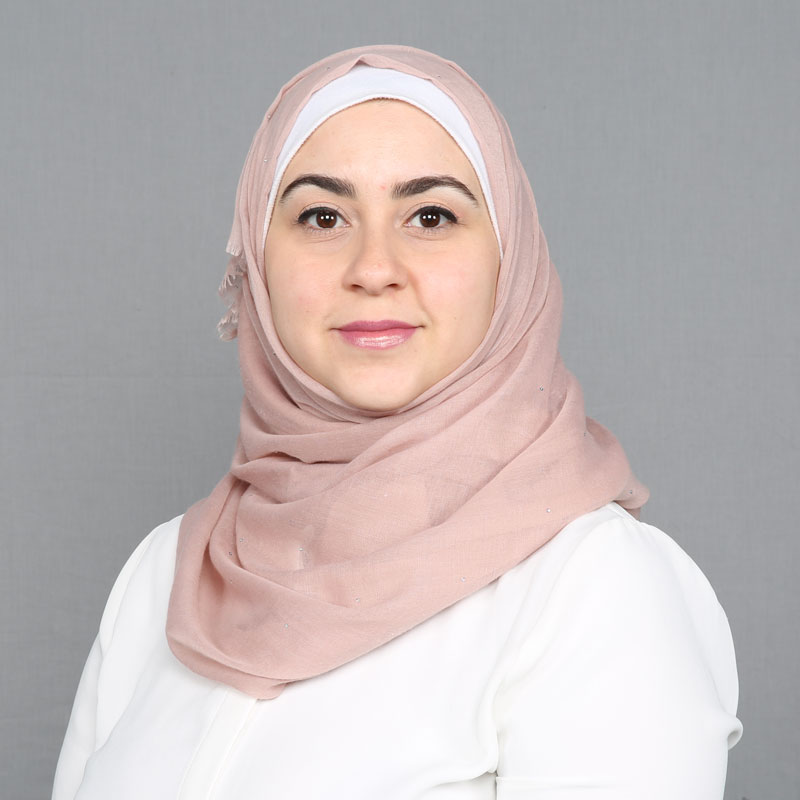
Ruba Mohammad Odeh
- Assistant Professor
- Ext: --
-
Dr. Ruba Odeh is a Pediatric Dentistry specialist and academician with extensive clinical, teaching, research, and community experience. She holds a PhD in Dentistry from the University of Adelaide, Australia, with formal clinical training in Pediatric Dentistry at Women’s and Children’s Hospital, Adelaide. She has worked in pediatric dental clinical settings in Australia and has been a Specialist in Pediatric Dentistry at Ajman University since 2016. Her expertise includes clinical pediatric dentistry, management of complex pediatric and special-ne needs patients, dental trauma, preventive dentistry, growth and development, and community oral health. She teaches Clinical and Pre-clinical Pediatric Dentistry and supervises postgraduate and undergraduate research. Dr. Ruba has also contributed to research and publications in pediatric oral health, dental trauma, dental caries, preventive dentistry, and parental perceptions, in addition to providing pediatric dental consultations and participating in community and mobile dental clinics. Overall, she combines specialist pediatric clinical expertise, academic teaching, research, student supervision, and community service, with particular experience in managing complex pediatric cases and educating future dental professionals.
Education
- Doctor of Philosophy in Dentistry, University of Adelaide, Australia, 2013 Thesis Title: "Infraocclusion and Associated Dental Anomalies in Twins and Singletons: Is There an Underlying Genetic Basis?"
- Specialist residency training program, Women and Children hospital Adelaide (2010-2012)
- Bachelor of Science in Dentistry (Honours), BSc Dent (Hons), University of Adelaide, Australia, 2009 Thesis Title: "Mutans Streptococci Colonization and Their Association with Primary Tooth Emergence in Australian Twins"
- Doctor of Dental Surgery, DDS, Ajman University, UAE, 2003. Thesis Title: “Direct & Indirect Pulp Capping (Literature Review)”
Doctor of Philosophy in Dentistry, University of Adelaide, Australia, 2013 Thesis Title: "Infraocclusion and Associated Dental Anomalies in Twins and Singletons: Is There an Underlying Genetic Basis?"
Specialist residency training program, Women and Children hospital Adelaide (2010-2012)
Bachelor of Science in Dentistry (Honours), BSc Dent (Hons), University of Adelaide, Australia, 2009 Thesis Title: "Mutans Streptococci Colonization and Their Association with Primary Tooth Emergence in Australian Twins"
Doctor of Dental Surgery, DDS, Ajman University, UAE, 2003. Thesis Title: “Direct & Indirect Pulp Capping (Literature Review)”
Experience
- 2016–Present: Ajman University, Assistant Professor in Pediatric Dentistry: Teaching pediatric dentistry, Preclinical pediatric dentistry I and II 3rd year dental students and Clinical Pediatric Dentistry I and II for 4th year dental stduents. Research supervision of undergraduate dental students and graduate students in MSC program in pediatric dentistry. work as specialist pediatric dentist in AUMC
- 2008-2015: School of Dentistry, The University of Adelaide, Australia: Pre-clinical teaching was provided to BDS undergraduate students at year levels 1-3, including Dental Learning Packages (DLP), Dental Anatomy, Dental Health & Science (DHS), and tutorial sessions for Year 1, Dental Clinical Practice (DCP) for Year 2 and 3, and oral assessments for the Bachelor of Dental Surgery (BDS) 2015 admissions as part of the Admission Committee.
- 2010 - 2012: Dental Registrar at the Women’s and Children’s Hospital: Pediatric and medically compromised patients were treated in the dental department using nitrous oxide gas and treatment under general anaesthesia. Participation in the craniofacial treatment planning group and multidisciplinary clinics was undertaken.
- 2010 - 2012: School of Dentistry, The University of Adelaide, Australia. Clinical Tutor: BDS Year 4 undergraduate dental students were taught in the Dental Clinical Practice (Pediatric Dentistry) course at Somerton Park Dental Clinics.
- 2006 - 2008: College of Dentistry, University of Sharjah, UAE Research Assistant: The project "The Impact of Dental Education on Changing Oral Health Behavior Among Selected Students of Sharjah University" was supported. Dental Tutor: Clinical and pre-clinical teaching was provided at the undergraduate level. Instructor: The Human Biology Laboratory was instructed.
- 2005 - 2006: Ministry of Health, Sharjah, UAE Sharjah Oral Health Project Centre.
- 2004 - 2005: College of Dentistry, Ajman University, UAE Dental Tutor Clinical and pre-clinical teaching at the undergraduate level.
2016–Present: Ajman University, Assistant Professor in Pediatric Dentistry: Teaching pediatric dentistry, Preclinical pediatric dentistry I and II 3rd year dental students and Clinical Pediatric Dentistry I and II for 4th year dental stduents. Research supervision of undergraduate dental students and graduate students in MSC program in pediatric dentistry. work as specialist pediatric dentist in AUMC
2008-2015: School of Dentistry, The University of Adelaide, Australia: Pre-clinical teaching was provided to BDS undergraduate students at year levels 1-3, including Dental Learning Packages (DLP), Dental Anatomy, Dental Health & Science (DHS), and tutorial sessions for Year 1, Dental Clinical Practice (DCP) for Year 2 and 3, and oral assessments for the Bachelor of Dental Surgery (BDS) 2015 admissions as part of the Admission Committee.
2010 - 2012: Dental Registrar at the Women’s and Children’s Hospital: Pediatric and medically compromised patients were treated in the dental department using nitrous oxide gas and treatment under general anaesthesia. Participation in the craniofacial treatment planning group and multidisciplinary clinics was undertaken.
2010 - 2012: School of Dentistry, The University of Adelaide, Australia. Clinical Tutor: BDS Year 4 undergraduate dental students were taught in the Dental Clinical Practice (Pediatric Dentistry) course at Somerton Park Dental Clinics.
2006 - 2008: College of Dentistry, University of Sharjah, UAE Research Assistant: The project "The Impact of Dental Education on Changing Oral Health Behavior Among Selected Students of Sharjah University" was supported. Dental Tutor: Clinical and pre-clinical teaching was provided at the undergraduate level. Instructor: The Human Biology Laboratory was instructed.
2005 - 2006: Ministry of Health, Sharjah, UAE Sharjah Oral Health Project Centre.
2004 - 2005: College of Dentistry, Ajman University, UAE Dental Tutor Clinical and pre-clinical teaching at the undergraduate level.
Teaching Area
- Pediatric Dentistry, department of clinical sciences, College of Dentistry, Ajman University, UAE, 2016-present: Teaching pediatric dentistry, Preclinical pediatric dentistry I and II 3rd year dental students and Clinical Pediatric Dentistry I and II for 4th year dental students. Research supervision of undergraduate dental students and graduate students in MSC program in pediatric dentistry.
- Pre-clinical teaching of BDS undergraduate year levels 1-3: BDS year level 1: Dental Learning Packages (DLP), Dental Anatomy, Dental Health & Science (DHS), and tutorial sessions. BDS years 2-3: Dental Clinical Practice (DCP), Clinical Pediatric Dentistry. School of Dentistry, The University of Adelaide, Australia, 2008–2015.
- Pre-clinical and clinical teaching at the undergraduate level, Human Biology, College of Dentistry, University of Sharjah, UAE, 2007–2008.
- Pre-clinical and clinical teaching at the undergraduate level, College of Dentistry, Ajman University, UAE, 2005–2006.
Pediatric Dentistry, department of clinical sciences, College of Dentistry, Ajman University, UAE, 2016-present: Teaching pediatric dentistry, Preclinical pediatric dentistry I and II 3rd year dental students and Clinical Pediatric Dentistry I and II for 4th year dental students. Research supervision of undergraduate dental students and graduate students in MSC program in pediatric dentistry.
Pre-clinical teaching of BDS undergraduate year levels 1-3: BDS year level 1: Dental Learning Packages (DLP), Dental Anatomy, Dental Health & Science (DHS), and tutorial sessions. BDS years 2-3: Dental Clinical Practice (DCP), Clinical Pediatric Dentistry. School of Dentistry, The University of Adelaide, Australia, 2008–2015.
Pre-clinical and clinical teaching at the undergraduate level, Human Biology, College of Dentistry, University of Sharjah, UAE, 2007–2008.
Pre-clinical and clinical teaching at the undergraduate level, College of Dentistry, Ajman University, UAE, 2005–2006.
Research
- Early Childhood Caries (ECC) and its prevention and management
- Molar-Incisor Hypomineralisation (MIH) and its prevalence, etiology, and clinical management
- Oral Health-Related Quality of Life (OHRQoL) in children and their families
- Dental trauma in children and evidence-based management
- Preventive and minimally invasive pediatric dentistry
- Oral health promotion and education among children and parents
Early Childhood Caries (ECC) and its prevention and management
Molar-Incisor Hypomineralisation (MIH) and its prevalence, etiology, and clinical management
Oral Health-Related Quality of Life (OHRQoL) in children and their families
Dental trauma in children and evidence-based management
Preventive and minimally invasive pediatric dentistry
Oral health promotion and education among children and parents
Publications
-
Timing of colonization of caries-producing bacteria: an approach based on studying monozygotic twin pairs.
-
Prevalence of infraocclusion of primary molars determined using a new 2D image analysis methodology.
-
Infraocclusion: Dental development and associated dental variations in singletons and twins.
-
Genetic and environmental causes of variation in the expression of infraoccluded primary teeth.
-
Parental perceptions and drinking water source among pediatric population in the United Arab Emirates.
-
Emergency medical care in dentistry: A cross sectional analysis of competencies for undergraduate students.
-
OXIS contact areas of primary molars–a two center cross-sectional study.
-
Forensic Odontology: Knowledge and Attitude of Dental Students in Ajman University, United Arab Emirates.
-
The Influence of Dental Trauma Education on Undergraduate Students at Ajman University, United Arab Emirates: An Interventional Study.
-
Interproximal contact areas of primary molars based on OXIS classification–a two centre cross sectional study.
-
Severe Acute Respiratory Syndrome Coronavirus 2 and Dentistry: A Summative Review of Guidelines issued by National Health Authorities.
-
Determining the impact of stressors on students’ clinical performance in endodontics.
-
JournalOral manifestations in young adults infected with COVID-19 and impact of smoking: a multi-country cross-sectional study, PEERJ, Jul 2022
-
JournalCigarettes' use and capabilities-opportunities-motivation-for-behavior model: a multi-country survey of adolescents and young adults, Frontiers in Public Health, Jul 2022
-
JournalAnxiety among Adolescents and Young Adults during COVID-19 Pandemic: A Multi-Country Survey, International Journal of Environmental Research and Public Health, Jun 2022
-
JournalA multi-country study on the impact of sex and age on oral features of COVID-19 infection in adolescents and young adults, BMC Oral Health, Nov 2022
-
JournalImpact of Guidance and Multitasking on Manual Dexterity Skills in Dentistry, European Journal of Dentistry, Apr 2022
-
JournalUnderstanding Parental Emotions: Children’s Dental Visits and the Separation Experience, International Journal of Dentistry, Oct 2024
-
JournalGender differences in knowledge and practice of eco-friendly dentistry among dental students and doctors: A study at Ajman University, Journal of Infrastructure, Policy and Development, Nov 2024
-
JournalCurrent challenges in dental education- a scoping review, BMC Medical Education, Dec 2024
-
JournalBracket positioning have an impact on smile arc protection – a systematic review and meta-analysis, Bangladesh Journal of Medical Science, Jul 2025
-
JournalSFXN1 expression analysis in oral squamous cell carcinoma and its association with the PI3K-AKT-mTOR pathway and immune cell infiltration, Journal of Oral Biology and Craniofacial Research, Oct 2025
-
JournalRole of artificial intelligence in determining nutritional risk factors among post-periodontal surgical patients. A scoping review, Frontiers in Oral Health, Feb 2026
-
JournalPredicting inter-microbial host specificity in oral biofilms using a lightweight relation-aware knowledge graph model, Frontiers in Cellular and Infection Microbiology, Feb 2026
-
JournalCorrelation of Salivary Lactate Dehydrogenase Levels with Histopathological Grades of Oral Cancer, Bangladesh Journal of Medical Science, Jan 2026
-
JournalOralSegNet: An Approach to Early Detection of Oral Disease Using Transfer Learning, Oral Diseases, Mar 2026
-
JournalFactors affecting the use of nasoalveolar molding and feeding appliances among nonsyndromic cleft lip and palate in five countries: a cross-sectional study, European Archives of Paediatric Dentistry, Dec 2025
-
JournalYOLO-TeethSeg: a resource-efficient approach to multi-class teeth instance segmentation using lightweight YOLO-based models, Biomedical Signal Processing and Control, Jun 2026
-
JournalDentSurgNet: Automated surgical planning via YOLO-based instance segmentation of dental anomalies in panoramic X-rays, Array, Jul 2026
Timing of colonization of caries-producing bacteria: an approach based on studying monozygotic twin pairs.
Findings are presented from a prospective cohort study of timing of primary tooth emergence and timing of oral colonization of Streptococcus mutans (S. mutans) in Australian twins. The paper focuses on differences in colonization timing in genetically identical monozygotic (MZ) twins. Timing of tooth emergence was based on parental report. Colonization timing of S. mutans were established by plating samples of plaque and saliva on selective media at 3 monthly intervals and assessing colony morphology. In 25% of individuals colonization occurred prior to emergence of the first tooth. A significant proportion of MZ pairs (21%) was discordant for colonization occurring before or after first tooth emergence, suggesting a role of environmental or epigenetic factors in timing of tooth emergence, colonization by S. mutans, or both. These findings and further application of the MZ co-twin model should assist in development of strategies to prevent or delay infection with S. mutans in children.
About the journal
Prevalence of infraocclusion of primary molars determined using a new 2D image analysis methodology.
Background The reported prevalence of infraocclusion varies widely, reflecting differences in definitions and measurement/scoring approaches. This study aimed to quantify the prevalence and extent of infraocclusion in singletons and twins during the late mixed dentition stage of dental development using a new diagnostic imaging method and objective criteria. The study also aimed to determine any associations between infraocclusion and gender, arch type, arch side and tooth type. Methods Two samples were analysed, 1454 panoramic radiographs of singletons and 270 dental models of twins. Both samples ranged in age from 8 to 11 years. Adobe Photoshop CS5 was used to measure the extent of infraocclusion. Repeatability tests showed systematic and random errors were small. Results The prevalence in the maxilla was low (
About the journal
Infraocclusion: Dental development and associated dental variations in singletons and twins.
Objective The aim of this study was to investigate the prevalence of selected dental variations in association with infraocclusion, as well as determining the effects of infraocclusion on dental development and tooth size, in singletons and twins. Design Two samples were analysed. The first sample comprised 1454 panoramic radiographs of singleton boys and girls aged 8–11 years. The second sample comprised dental models of 202 pairs of monozygotic and dizygotic twins aged 8–11 years. Adobe Photoshop CS5 was used to construct reference lines and measure the extent of infraocclusion (in mm) of primary molars on the panoramic radiographs and on 2D images obtained from the dental models. The panoramic radiographs were examined for the presence of selected dental variations and to assess dental development following the Demirjian and Willems systems. The twins’ dental models were measured to assess mesiodistal crown widths. Results In the singleton sample there was a significant association of canines in an altered position during eruption and the lateral incisor complex (agenesis and/or small tooth size) with infraocclusion (P < 0.001), but there was no significant association between infraocclusion and agenesis of premolars. Dental age assessment revealed that dental development was delayed in individuals with infraocclusion compared to controls. The primary mandibular canines were significantly smaller in size in the infraoccluded group (P < 0.05). Conclusion The presence of other dental variations in association with infraocclusion, as well as delayed dental development and reduced tooth size, suggests the presence of a pleiotropic effect. The underlying aetiological factors may be genetic and/or epigenetic.
About the journal
Genetic and environmental causes of variation in the expression of infraoccluded primary teeth.
null
About the journal
Parental perceptions and drinking water source among pediatric population in the United Arab Emirates.
Aims: The aim of the study is to determine the water source used for drinking and cooking purpose by the pediatric population in the United Arab Emirates (UAE). To ascertain the underlying factors influencing the parental choice for selecting tap water or bottled water. The study was also done to evaluate whether demographic factors have an influence on the parental choice of water consumption source.Materials and Methods: A total of 200 parents who had children aged between 3- and 15-year-old were chosen for this randomized cross-sectional study. The parents of the selected children were given a prewritten questionnaire consisting of 12 questions in four different languages. The questionnaires documented sociodemographic characteristics, water consumption practices, and the rationale for choosing bottled water and tap water. The responses were analyzed using descriptive statistics and a Chi-square test for a single proportion. Results: Majority of the parents in this study preferred bottled water to tap water for drinking and cooking purposes. About 84% of the parents opted bottled water for drinking and 57% selected bottled water for cooking at home. The consumption of tap water for drinking purpose from school and home was only 13% and 16%, respectively. Parental educational background and household income did not affect their selected source of water. A Chi-square test of independence conducted to investigate possible association between source of water and its purpose for drinking and cooking revealed that the source of water (tap/bottled water) was dependent on its purpose. Conclusion: A greater percentage of the UAE pediatric population utilized bottled water for drinking at school and home. The perceptions about the quality and safety of tap water had a great effect on the caregiver's choice on children's water consumption habits. The demographic factors such as socioeconomic status and parental education had no influence on the source of water used for drinking purpose.
About the journal
Emergency medical care in dentistry: A cross sectional analysis of competencies for undergraduate students.
Background : The possibility of a medical crisis, albeit a relatively uncommon occurrence in a dental practice, is often overlooked and it is imperative that dental practitioners equip themselves with the knowledge and skills essential to manage potentially life-threatening situations. The aim of this study was to evaluate the knowledge and competency levels of dental undergraduate students training across universities in the UAE in basic life support (BLS) and medical emergencies in a dental setting. Methods: A cross-sectional survey-based study was conducted and 411 students undergoing clinical training (4th and 5th year of dental school) voluntarily participated in this study. The questionnaire comprised questions related to commonly occurring medical emergencies that they may have encountered in a dental setting. Data collected were then tabulated and subjected to descriptive statistical analysis. Results: More than half of the respondents (55.2%) reported that they had lower confidence in handling medical emergencies, with 54.7% claiming that they had not received training on the subject during their undergraduate course. Majority of the respondents (216) reported that they would only choose to record vital signs if the medical history of the patient was indicative of an underlying condition. Discussion: Findings from the present study strongly mandate the inclusion of training for BLS and medical emergencies in the existing dental curriculum to equip graduate dental practitioners to handle a medical crisis in their dental practice.
About the journal
OXIS contact areas of primary molars–a two center cross-sectional study.
Background: Contact areas in primary teeth are known to be broader, flatter and situated farther gingivally than permanent teeth. The purpose of this study was to assess the prevalence of OXIS contact areas between primary molars using die models of children from two different ethnic populations. The research question of the present study is “What is the prevalence OXIS contact areas of primary molars in the populations studied?”. Methods: A cross-sectional study was planned in a representative sample of 200 caries-free contact areas among children aged 3-6 years in two centers, Ajman and Puducherry. Data collection was performed from sectional or full-arch die stone models. The contacts were assessed according to OXIS classification by a single calibrated examiner at Center 2. Prevalence was expressed as numbers and percentages. The Chi-square test was applied to determine the association of OXIS contacts across genders and arches. Results: The prevalence of O, X, I, and S contacts were 19%, 22.5%, 53%, and 5.5% in Center 1 and 6%, 1.5%, 75.5%, and 17% in Center 2, respectively. Significant results (p=0.005) were obtained in Center 1 when inter-arch comparison was performed and between the centers with respect to type of contact. No significant difference was obtained with respect to gender and OXIS contact areas. Conclusions: The present study confirmed OXIS contacts in both the centers. The ‘O’ and ‘X’ types of contacts were observed more in Center 1, whereas ‘I’ and ‘S’ contacts were observed more in Center 2.
About the journal
Forensic Odontology: Knowledge and Attitude of Dental Students in Ajman University, United Arab Emirates.
Aims: The aims of this study were to assess dental students’ knowledge and attitude with regard to forensic odontology and to determine students’ opinions in the current dental curriculum. Methods: This cross-sectional study was conducted among dental students at one of the main dental colleges in the United Arab Emirates; only dental students on their final year and internship were invited to participate. An online self-administrated questionnaire was used, which consisted of a set of 15 questions. All the data were entered into Microsoft Excel and then transferred into SPSS. Results: A total of 276 dental students contributed to this study. The highest percentage of correct responses stated by the students was related to the estimation of individuals’ age and estimation of dental age based on radiograph and eruption status. However, there were clear deficiencies in students’ knowledge in relation to other aspects such as gender identification and lip-print, palatal rugae as an indicator in forensic identification. A high percentage (84.8%) had no formal education in the field of forensic odontology. Moreover, 93.1% of the students agreed that their present knowledge about forensic odontology is inadequate. Most of the participants (95.0%) agreed upon the necessity of adding a module on forensic odontology to the current curriculum. Conclusion: Our study revealed inadequate knowledge among dental students in relation to forensic odontology. This lack of knowledge among them attributed to the lack of formal training, and lack of forensic odontology as a part of dental curriculum. Forensic odontology must be added to the undergraduate curriculum as a separate subject to enrich students’ knowledge and awareness toward medico-legal cases in their future careers.
About the journal
The Influence of Dental Trauma Education on Undergraduate Students at Ajman University, United Arab Emirates: An Interventional Study.
Background and Objectives: The main objective of this study was to assess the impact of a lecture on dental trauma on the knowledge of undergraduate dental students at Ajman University in the United Arab Emirates (UAE). Methods: Fourth-year dental students were asked to attend a lecture on dental trauma and then respond to an online questionnaire containing 10 close-ended questions related to their approach to managing dental trauma cases and tooth avulsion before (T0) and directly after (T1) the lecture. They were given 5 min for filling the questionnaire either time. McNemars test was used to compare the accuracy of their answers based on the correct or incorrect response for each question. The level of significance was set at p < 0.05. Results: The questionnaire was sent to 164 students, out of which 157 responded, giving a response rate of 95.7%. After receiving the educational intervention, the students showed a significant improvement in their knowledge on managing permanent tooth avulsion, especially regarding the handling of an avulsed tooth before replantation, extra-alveolar time, and media used for the storage and transportation of avulsed teeth (< 0.001). Conclusion: The study reveals that the lecture on dental trauma had an excellent outcome on the knowledge of the students. Therefore, it is essential to emphasize the importance of this information among undergraduate dental students in order to save teeth exposed to trauma and to reduce the social burden of such cases. This study contributes to better understanding of the effect of dental trauma education on undergraduate dental students’ knowledge of the subject.
About the journal
Interproximal contact areas of primary molars based on OXIS classification–a two centre cross sectional study.
Background: Contact areas in primary teeth are known to be broader, flatter and situated farther gingivally than permanent teeth. The purpose of this study was to assess the prevalence of OXIS contact areas between primary molars using die models of children from two different ethnic populations. The research question of the present study is “What is the prevalence OXIS contact areas of primary molars in the populations studied?”. Methods: A cross-sectional study was planned in a representative sample of 200 caries-free contact areas among children aged 3-6 years in two centers, Ajman and Puducherry. Data collection was performed from sectional or full-arch die stone models. The contacts were assessed according to OXIS classification by a single calibrated examiner at Center 2. Prevalence was expressed as numbers and percentages. The Chi-square test was applied to determine the association of OXIS contacts across genders and arches. Results: The prevalence of O, X, I, and S contacts were 19%, 22.5%, 53%, and 5.5% in Center 1 and 6%, 1.5%, 75.5%, and 17% in Center 2, respectively. Significant results (p=0.005) were obtained in Center 1 when inter-arch comparison was performed and between the centers with respect to type of contact. No significant difference was obtained with respect to gender and OXIS contact areas. Conclusions: The present study confirmed OXIS contacts in both the centers. The ‘O’ and ‘X’ types of contacts were observed more in Center 1, whereas ‘I’ and ‘S’ contacts were observed more in Center 2.
About the journal
Severe Acute Respiratory Syndrome Coronavirus 2 and Dentistry: A Summative Review of Guidelines issued by National Health Authorities.
COVID-19 was first reported in China, in November 2019 and since then the spread of this disease was so rapid that on March 11, 2020, it was declared a pandemic by the World Health Organization. Due to the high transmissibility of the COVID virus and the associated morbidity and mortality, various International and National health authorities released different guidelines for day-to-day living, laying down “new norms” which has impacted our lives enormously. Although these guidelines seem to be convoluted but owing to some differences in the guidelines, it raises an ambiguity in the minds of dentists. Hence, we felt the need of this review to summarize different guidelines issued by various National health authorities for catering emergency and routine dental care. We included guidelines from CDC, ADA, NHS, India, UAE, Egypt, and Tunisia and compared and consolidated to reach a consensus that teledentistry is a good alternative to face-to-face management for nonemergency patients. Triage should be done for all patients coming to the health-care facility. Temperature and other vital parameters should be recorded in our daily practice. Antibacterial mouth rinses before the dental procedure can reduce the microbial load and therefore can alleviate transmission. To reduce indirect transmission through fomites on inanimate objects various waiting area changes must be ensured. Air conditioners can be used in well-serviced conditions with due care given to ventilation of the operatory after each patient. Strict disinfection protocols and personal protective equipment for dentist safety are mandatory.
About the journal
Determining the impact of stressors on students’ clinical performance in endodontics.
Objectives This study aims to evaluate the impact of stress on the clinical performance of endodontics dental students. Method The study sample consists of 16 randomly selected fourth-year dental students who had completed pre-clinical activities stipulated in their curriculum. The distal canal of a plastic mandibular first molar is prepared on two separate occasions, first under normal conditions and then under stressful conditions. The preparation accuracy of the root canal and the time taken to complete the task area measured. Stress is assessed using subjective (State-Trait Anxiety Inventory and Perceived Stress Scale) and objective (heart rate) measures. Results While the accuracy of the root canal preparation did not differ significantly between the normal and stressful conditions (p > 0.05, paired t-test), the completion time for the root canal preparation decreased significantly under stressful conditions (p < 0.05, paired t-test). Conclusion The findings of this study suggest that there is no association between the high levels of stress and the performance breakdown of root canal hand instrumentation skills. Students develop an adaptive response to stress, enabling them to improve their completion times and maintain their performance under stressful conditions. Future research should focus on learning methods that can contribute toward better outcomes, especially in stressful environments.
About the journal
Oral manifestations in young adults infected with COVID-19 and impact of smoking: a multi-country cross-sectional study, PEERJ, Jul 2022
Background: Oral manifestations and lesions could adversely impact the quality of people's lives. COVID-19 infection may interact with smoking and the impact on oral manifestations is yet to be discovered. Objectives: The aim of this study was to assess the self-reported presence of oral lesions by COVID-19-infected young adults and the differences in the association between oral lesions and COVID-19 infection in smokers and non-smokers. Methods: This cross-sectional multi-country study recruited 18-to-23-year-old adults. A validated questionnaire was used to collect data on COVID-19-infection status, smoking and the presence of oral lesions (dry mouth, change in taste, and others) using an online platform. Multi-level logistic regression was used to assess the associations between the oral lesions and COVID-19 infection; the modifying effect of smoking on the associations. Results: Data was available from 5,342 respondents from 43 countries. Of these, 8.1% reported COVID-19-infection, 42.7% had oral manifestations and 12.3% were smokers. A significantly greater percentage of participants with COVID-19-infection reported dry mouth and change in taste than non-infected participants. Dry mouth (11.1% vs 7.5%, p = 0.009) and change in taste (11.5% vs 2.7%, p < 0.001) were greater in COVID-19 infected than non-infected persons. The association between COVID-19-infection and dry mouth was stronger among smokers than non-smokers (AOR = 1.26 and 1.03, p = 0.09) while the association with change in taste was stronger among non-smokers (AOR = 1.22 and 1.13, p = 0.86). Conclusion: Dry mouth and changed taste may be used as an indicator for COVID-19 infection in low COVID-19-testing environments. Smoking may modify the association between some oral lesions and COVID-19-infection. © Copyright 2022 El Tantawi et al.
About the journal
Cigarettes' use and capabilities-opportunities-motivation-for-behavior model: a multi-country survey of adolescents and young adults, Frontiers in Public Health, Jul 2022
The use of cigarettes among adolescents and young adults (AYA) is an important issue. This study assessed the association between regular and electronic-cigarettes use among AYA and factors of the Capability-Motivation-Opportunity-for-Behavior-change (COM-B) model. A multi-country survey was conducted between August-2020 and January-2021, Data was collected using the Global-Youth-Tobacco-Survey and Generalized-Anxiety-Disorder-7-item-scale. Multi-level logistic-regression-models were used. Use of regular and electronic-cigarettes were dependent variables. The explanatory variables were capability-factors (COVID-19 status, general anxiety), motivation-factors (attitude score) and opportunity-factors (country-level affordability scores, tobacco promotion-bans, and smoke free-zones) controlling for age and sex. Responses of 6,989-participants from 25-countries were used. Those who reported that they were infected with COVID-19 had significantly higher odds of electronic-cigarettes use (AOR = 1.81, P = 0.02). Normal or mild levels of general anxiety and negative attitudes toward smoking were associated with significantly lower odds of using regular-cigarettes (AOR = 0.34, 0.52, and 0.75, P < 0.001) and electronic-cigarettes (AOR = 0.28, 0.45, and 0.78, P < 0.001). Higher affordability-score was associated with lower odds of using electronic-cigarettes (AOR = 0.90, P = 0.004). Country-level-smoking-control policies and regulations need to focus on reducing cigarette affordability. Capability, motivation and opportunity factors of the COM-B model were associated with using regular or electronic cigarettes.
About the journal
Anxiety among Adolescents and Young Adults during COVID-19 Pandemic: A Multi-Country Survey, International Journal of Environmental Research and Public Health, Jun 2022
Adolescents-and-young-adults (AYA) are prone to anxiety. This study assessed AYA’s level of anxiety during the COVID-19 pandemic; and determined if anxiety levels were associated with country-income and region, socio-demographic profile and medical history of individuals. (2) Methods: A survey collected data from participants in 25 countries. Dependent-variables included general-anxiety level, and independent-variables included medical problems, COVID-19 infection, age, sex, education, and country-income-level and region. A multilevel-multinomial-logistic regression analysis was conducted to determine the association between dependent, and independent-variables. (3) Results: Of the 6989 respondents, 2964 (42.4%) had normal-anxiety, and 2621 (37.5%), 900 (12.9%) and 504 (7.2%) had mild, moderate and severe-anxiety, respectively. Participants from the African region (AFR) had lower odds of mild, moderate and severe than normal-anxiety compared to those from the Eastern-Mediterranean-region (EMR). Also, participants from lower-middle-income-countries (LMICs) had higher odds of mild and moderate than normal-anxiety compared to those from low-income-countries (LICs). Females, older-adolescents, with medical-problems, suspected-but-not-tested-for-COVID-19, and those with friends/family-infected with COVID-19 had significantly greater odds of different anxiety-levels. (4) Conclusions: One-in-five AYA had moderate to severe-anxiety during the COVID-19-pandemic. There were differences in anxiety-levels among AYAs by region and income-level, emphasizing the need for targeted public health interventions based on nationally-identified priorities.
About the journal
A multi-country study on the impact of sex and age on oral features of COVID-19 infection in adolescents and young adults, BMC Oral Health, Nov 2022
Oral diseases are features of COVID-19 infection. There is, however, little known about oral diseases associated with COVID-19 in adolescents and young adults (AYA). Therefore, the aim of this study was to assess oral lesions’ association with COVID-19 infection in AYA; and to identify if sex and age will modify these associations. Methodology: Data was collected for this cross-sectional study between August 2020 and January 2021 from 11-to-23 years old participants in 43-countries using an electronic validated questionnaire developed in five languages. Data collected included information on the dependent variables (the presence of oral conditions- gingival inflammation, dry mouth, change in taste and oral ulcers), independent variable (COVID-19 infection) and confounders (age, sex, history of medical problems and parents’ educational level). Multilevel binary logistic regression was used for analysis. Results: Complete data were available for 7164 AYA, with 7.5% reporting a history of COVID-19 infection. A significantly higher percentage of participants with a history of COVID-19 infection than those without COVID-19 infection reported having dry mouth (10.6% vs 7.3%, AOR = 1.31) and taste changes (11.1% vs 2.7%, AOR = 4.11). There was a significant effect modification in the association between COVID-19 infection and the presence of dry mouth and change in taste by age and sex (P = 0.02 and < 0.001). Conclusion: COVID-19 infection was associated with dry mouth and change in taste among AYA and the strength of this association differed by age and sex. These oral conditions may help serve as an index for suspicion of COVID-19 infection in AYA.
About the journal
Impact of Guidance and Multitasking on Manual Dexterity Skills in Dentistry, European Journal of Dentistry, Apr 2022
This study investigated the effect of learning by observation on the development of fine motor skills related to endodontic manual instrumentation. We evaluated if learning by observation with guidance had any influence upon operator performance under tense or taxing conditions. Materials and Methods Dental students prepared standardized simulated root canals of varying morphology. Learning involved silent video with hand guidance (n = 23), audiovisual combined with oral instructions (n = 23), or silent video (n = 13). Undergraduates who previously completed conventional preclinical endodontics provided comparative data as a control group (n = 16). During investigations, a root canal of a lower molar plastic tooth was shaped, beginning with a primary task, and followed by multitasking conditions. The performance of the students was assessed by evaluating the accuracy of dental canal shaping and time taken to complete the task. Statistical Analysis Differences were analyzed using ANOVA (p < 0.05). Results Performance was similar during learning between the three experimental groups. Accuracy of the performance did not differ within each group for the two tests nor between the groups at each test (p > 0.05). Conclusions These findings demonstrated that performance subsequent to learning by observation without instructions was comparable to learning with instructed observation. The results also identified that the performance of the experimental group (1.5- to 2-hour practice) was comparable with the conventional control group (15- to 20-hour practice). Alternative approaches to learning dexterity skills in dentistry may provide improved outcomes, especially in demanding situations
About the journal
Understanding Parental Emotions: Children’s Dental Visits and the Separation Experience, International Journal of Dentistry, Oct 2024
The presence of parents during dental treatment in children is a controversial concern in dental practice. This is because of conflicting views and practices regarding the presence of parents. Therefore, the objective of this study was to evaluate parental response to their presence/absence during their child’s dental treatment and to determine the factors that would influence their decision. Methods: A cross-sectional survey questionnaire was administered to United Arab Emirates (UAE) parents. A total of 240 parents participated in the survey, which contained 15 questions that analyzed the participants’ demographic details, dental procedures influencing parental separation, and factors influencing their desire to be present during their child’s dental treatment. Results: Data were analyzed using descriptive statistics and chi-square tests (p < 0.05). The majority (78%) of the parents chose to stay with their children during dental treatment, with a higher prevalence of female parents. The results showed that more parents opted to be with their children during invasive procedures. Younger parents are more likely to stay with their children during dental treatment. The factors influencing parental presence/absence in the dental treatment room depended on the age and nationality of the parent and the type of dental procedure (p < 0.05). Conclusions: Dental practitioners must provide parents with sufficient opportunities to be present during their children’s dental procedures. The factors influencing parental presence/absence should be considered before deciding whether to include or exclude parents in the dental treatment room.
About the journal
Gender differences in knowledge and practice of eco-friendly dentistry among dental students and doctors: A study at Ajman University, Journal of Infrastructure, Policy and Development, Nov 2024
This study investigates the awareness of environmentally friendly (green) dentistry practices among dental students and faculty at Ajman University in the United Arab Emirates. The primary objective is to assess their understanding and application of eco-friendly dental practices, including waste management, energy conservation, and sustainable material usage. Using a descriptive cross-sectional design, an online survey was administered to 231 randomly selected participants. The results show that although awareness of green dentistry has increased, its practical implementation remains limited. Specialists displayed the highest levels of knowledge and practice, while general practitioners demonstrated the least. Male participants showed greater experience and expertise compared to females, and the age group of 30–39 exhibited the highest levels of knowledge and practice, although age was not found to significantly affect awareness or usage. The findings highlight the need for enhanced education and encouragement of green dentistry to protect the environment and promote sustainable dental practices
About the journal
Current challenges in dental education- a scoping review, BMC Medical Education, Dec 2024
This scoping review aimed to review the various challenges facing dental education. Dental education faces multiple institutional, student and faculty-based challenges. Institutional challenges include updating infrastructure resources, recruiting qualified faculty, and implementing administrative policies that enhance dental education. Student-based challenges include implementing teaching/learning strategies that will enable students to acquire adequate knowledge, skill, and logical reasoning to identify and execute evidence-based treatment. Faculty-based challenges include regular updating of the dental curriculum, including recent advances in teaching methodology, and adding elective courses that can enhance the readiness of future dentists to address the evolving oral health needs of the public. Methodology: The scoping review was conducted using the PRISMA-ScR, focusing on the current challenges in dental education. Articles were identified via searches of Google Scholar, PubMed, Web of Science and Embase for the period 2019 to 2024. Only English language papers detailing challenges in dental education were included. At the culmination of the search protocol, twelve articles were selected for inclusion in this scoping review. Results: Analysis of these twelve papers identified several themes, which apply to the dental education systems of many, but not all, nations: (1) the correlation between the basic science and clinical phases of the curriculium remains poor; (2) dental students receive inadequate patient care experience to truly develop the competency needed for unsupervised dental practice after graduation; (3) dental students often graduate with inadequate foundational knowledge and clinical experience to provide care for geriatric, specialized pediatric and medically compromised patients, and recieve limited clinical experience in public health settings; (4) dental schools struggle to provide students with training in the technology advancements that are increasingly prevalent in dental practice; (5) difficulties in hiring, training and retaining dentists in faculty positions diminishes the quality of the education experience for students; and (6) an increased number of graduates in some countries struggle to find employment. Conclusion: A variety of studies and advocacy papers over the past 25 years have identified or described similar challenges facing dental education in many nations of the world. The fact that these challenges persist signals the urgent need for curricular and infrastructure reform to better prepare dental students for the realities of dental practice in the 21st century and to provide an environment that will provide an attractive workplace for dentists who desire to participate in the education of the next generation of dentists.
About the journal
Bracket positioning have an impact on smile arc protection – a systematic review and meta-analysis, Bangladesh Journal of Medical Science, Jul 2025
The available literature concerning bracket positioning and its relationship with smile arc protection (SAP) lacks adequate methodology and significant sample sizes. The majority of the literature consists of case reports with small sample sizes, cross-sectional studies, in vitro studies, literature reviews, and systematic reviews. Thus, the principal objective of this study was to assess the existing literature on bracket positioning and its influence on SAP, and to amalgamate the data from various studies to generate a comprehensive analysis of the effectiveness of bracket positioning in achieving SAP. Selection criteria and search protocol: Databases of Cochrane Library, EMBASE, PubMed, MEDLINE, Scopus and Google Scholar were searched using predetermined selection criteria. Analysis protocol: The Newcastle-Ottawa Scale (NOS) was employed for the evaluation of bias in the studies included in the review. Results Three relevant studies were considered for inclusion in the review. Odds ratio (OR) of 0.53 with a 95% confidence interval (CI) of 0.33 to 0.85, and risk ratio (RR) of 0.64 with a 95% CI of 0.45 to 0.90 were obtained after meta-analysis, indicating a significant impact of bracket positioning on SAP. The test for overall effect also demonstrated a statistically significant effect of bracket positioning on SAP. Conclusion and further implications: The findings suggest that bracket positioning has a noticeable impact on SAP, with decreased odds or relative risk of protection associated with improper positioning. However, the level of heterogeneity between the studies suggests that further research is needed to confirm these findings. The limitations of the study include the small number of studies under review and the variability in study designs and methods. Registration and protocol: Registration was done in accordance with the Preferred Reporting Items for Systematic Reviews and Meta-Analyses (PRISMA) standards [CRD42023407270]. The research protocol was created to meet the goals and was properly filed with PROSPERO.
About the journal
SFXN1 expression analysis in oral squamous cell carcinoma and its association with the PI3K-AKT-mTOR pathway and immune cell infiltration, Journal of Oral Biology and Craniofacial Research, Oct 2025
Oral squamous cell carcinoma (OSCC) is a predominant malignancy characterized by aggressive progression and poor prognosis. This study investigated the role of SFXN1 (Sideroflexin 1), a mitochondrial serine transporter, in OSCC using integrated bioinformatic and experimental approaches. Objective: To analyze the expression, clinical relevance, and functional associations of SFXN1 in OSCC through comprehensive bioinformatic and in vitro investigations. Methods: Transcriptomic data from TCGA pan-cancer cohorts were analyzed to evaluate SFXN1 expression patterns. The expression levels in OSCC were validated using KB OC cell lines, with clinical correlations assessed for tumor grade, nodal status, and patient survival. Immune infiltration associations and protein‒protein interaction networks were constructed, followed by pathway enrichment analyses. Experimental validation was performed via in vitro assays. Results: The results revealed that SFXN1 was significantly overexpressed in head and neck squamous cell carcinoma and markedly upregulated in KB cells compared with controls. SFXN1 expression was associated with tumor grade and nodal metastasis, although no significant stage-specific differences were observed. Survival analysis revealed no statistically significant association with overall survival. Immune infiltration analysis indicated modest but significant correlations between SFXN1 and immune cell populations, particularly CD4+T cells. Protein network analysis identified hub genes, including AKT1, BCL2, MTOR, and CASP3. Pathway enrichment implicated SFXN1 is involved in the PI3K-AKT-mTOR and p53 signaling pathways. Conclusion: These findings highlight the involvement of SFXN1 in cancer-related pathways and its potential role in OSCC, suggesting potential therapeutic targeting opportunities that need further investigation. © 2025 The Authors. Published by Elsevier B.V. on behalf of Craniofacial Research Foundation. This is an open access article under the CC BY license. http://creativecommons.org/licenses/by/4.0/
About the journal
Role of artificial intelligence in determining nutritional risk factors among post-periodontal surgical patients. A scoping review, Frontiers in Oral Health, Feb 2026
This scoping review examines recent peer-reviewed literature (2019–2025) on the role of artificial intelligence (AI) in managing nutrition care for post-periodontal surgical patients, and identifies key risk factors influencing nutritional outcomes after periodontal surgery. AI modalities considered include machine learning, expert systems, clinical decision support, and predictive analytics. Methodology: A systematic search of databases (e.g., PubMed, Scopus) identified studies on AI applications in periodontology, nutrition, or wound healing. The inclusion criteria were English-language, peer-reviewed publications from 2019 onwards that focused on AI in periodontal care or nutritional management, and studies addressing risk factors (such as age, comorbidities, dietary compliance, oral function, socioeconomic status, etc.) that affect post-surgical nutrition or healing. Data were charted on study characteristics, AI type, nutritional outcomes, and reported risk factors. 28 publications were included (10 original studies, eight reviews, five clinical reports, five conceptual papers). AI has been used in periodontal care for diagnostics, prognostics, and decision support. Results: Machine learning models can predict healing and nutritional risks by analyzing patient data, with key risk factors including age, comorbidities such as diabetes, poor nutrition, low dietary compliance, oral function, and socioeconomic status. Older, chewing-impaired patients have lower nutrient intake and a higher risk of malnutrition. Poor pre-surgery nutrition delays healing. AI models forecast outcomes, identifying baseline pocket depth and antibiotic use as strong predictors. Emerging AI tools in periodontology can enhance nutrition management through early risk detection and personalized diets. Conclusion: Factors like age, health, oral function, and socioeconomic status affect recovery. Using AI risk assessments with nutritional plans may improve healing. More research is needed to realize AI's full potential. While direct studies are limited, emerging evidence indicates strong potential for personalized, AI-supported nutritional care. 2026 Varma, Natarajan, Narayanan and Odeh.
About the journal
Predicting inter-microbial host specificity in oral biofilms using a lightweight relation-aware knowledge graph model, Frontiers in Cellular and Infection Microbiology, Feb 2026
The human oral cavity hosts a complex microbial ecosystem of bacteria, viruses, bacteriophages, and other microorganisms forming biofilms in different niches. Phage–bacteria host specificity is crucial in shaping microbial community, stability, and dysbiosis. mapping this specificity is limited by experimental constraints and traditional methods can’t capture ecological complexity. The goal is to create a graph-based model that treats inter-microbial host specificity as a relational learning problem, integrating taxonomic, ecological, and infection data into a knowledge graph. This improves phage–bacteria host predictions and reveals microbial hubs and interaction patterns related to periodontal disease dysbiosis. Methods: This study introduces a lightweight, relation-aware knowledge graph for predicting microbial host specificity in oral biofilms. We built a heterogeneous graph of the oral microbiome, incorporating microbial taxa, anatomical sites, taxonomic hierarchies, enrichment patterns, and INFECTS relationships. The dataset includes 500 viral taxa across four oral niches, with 21,338 significant co-occurrence relationships and various biological features. To learn meaningful representations, we combined graph embeddings with microbial features. We developed a relation-aware graph neural network, IK-BRNet, to efficiently encode ecological and interaction semantics. Results: Model performance was evaluated against a conventional Graph Attention Network (GAT) using stratified training, validation, and test splits with class imbalance correction. IK-BRNet demonstrated faster convergence and superior discrimination ability, achieving a higher AUC-ROC (0.929 vs. 0.904) and markedly improved sensitivity for disease-associated viral taxa (93.8% vs. 56.3%). While the baseline GAT achieved higher accuracy and specificity, IK-BRNet consistently reduced false negatives, thereby improving its ability to detect disease-related microbial signals. Site-specific predictions confirmed biological validity, with the highest disease scores for dental plaque–associated viruses and lower scores in healthy niches such as the tongue and buccal mucosa. Conclsuion: This study shows that relation-aware graph learning offers a meaningful and efficient way to model inter-microbial host specificity in oral biofilms. The framework improves oral microbiome network inference and supports disease screening, ecological analysis, and microbiome-based dentistry. Copyright © 2026 Natarajan, Varma, Kodangattil Narayanan and Odeh.
About the journal
Correlation of Salivary Lactate Dehydrogenase Levels with Histopathological Grades of Oral Cancer, Bangladesh Journal of Medical Science, Jan 2026
Oral squamous cell carcinoma (OSCC) remains a significant global health challenge with high morbidity and mortality rates. Early detection is crucial for improving prognosis, and non-invasive biomarkers like salivary lactate dehydrogenase (LDH) offer promising diagnostic potential. Methods A cross-sectional study was conducted on 90 participants divided into three groups: 30 patients with well-differentiated OSCC, 30 with moderately/poorly differentiated OSCC, and 30 healthy controls. Unstimulated whole saliva was collected from all participants, and LDH levels were measured using a standardized enzymatic assay. Histopathological grading was performed according to WHO classification. Statistical analysis included ANOVA, post-hoc tests, and Pearson correlation. Results: Salivary LDH levels were significantly elevated in OSCC patients compared to controls (825.4 ± 142.3 U/L vs. 215.7 ± 58.6 U/L, p < 0.001). Furthermore, moderately/poorly differentiated OSCC showed higher LDH levels (986.3 ± 127.8 U/L) compared to well-differentiated OSCC (664.5 ± 98.7 U/L) (p < 0.001). A strong positive correlation was observed between LDH levels and histopathological grades (r=0.78, p < 0.001). At a cutoff value of 620 U/L, salivary LDH demonstrated 86.7% sensitivity and 93.3% specificity for differentiating OSCC from controls. Conclusion Salivary LDH levels correlate significantly with histopathological grades of OSCC, suggesting its potential as a non-invasive biomarker for assessing tumor aggressiveness and prognosis. This simple, cost-effective biomarker could complement existing diagnostic methods and aid in early detection and management of oral cancer.
About the journal
OralSegNet: An Approach to Early Detection of Oral Disease Using Transfer Learning, Oral Diseases, Mar 2026
Deep learning-based segmentation system is proposed that exploits three variants of YOLOv11 architecture, namely YOLOv11n-seg, YOLOv11s-seg, and YOLOv11m-seg for automated detection and localization of the oral disease conditions from photographic intraoral images. Method: Dataset has been created by combining publicly available data from sources like Roboflow resulting in an initial version (v1) having 582 images annotated at the pixel level. To mitigate class imbalance issues as well as increase generalization capability by the model, progressively this dataset was augmented to create version 2 (v2) and then further extended into version 3 (v3). Training was done in three separate stages: Feature extraction, partial fine-tuning, and full fine-tuning. Results: YOLOv11m-seg model performed best in the partial fine-tuning phase with results of box mAP@50 = 0.521 and mask mAP@50 = 0.500. Training was done on Google Colab's free tier using an Intel Xeon CPU with 13 GB RAM, 15 GB T4 GPU, and 120 GB storage allowance. Conclusions: For application, the best performing model was exported to ONNX format with NMS enabled and deployed as a fully client-side responsive web app built in React.js and ONNX Runtime Web. The tool enables both clinicians and non-experts to detect oral diseases from intraoral images with a single click. © 2025 The Author(s). Oral Diseases published by John Wiley & Sons Ltd.
About the journal
Factors affecting the use of nasoalveolar molding and feeding appliances among nonsyndromic cleft lip and palate in five countries: a cross-sectional study, European Archives of Paediatric Dentistry, Dec 2025
This study investigates factors influencing the use of Nasoalveolar Molding (NAM) and Feeder Prostheses (FP) in infants with cleft lip and palate (CLP) across five countries: Saudi Arabia, Egypt, Jordan, United Arab Emirates and Pakistan. Methods: Data were collected through structured phone interviews with parents, covering sociodemographic characteristics, medical attention-seeking behavior, and healthcare accessibility. Healthcare accessibility was assessed using a previously validated questionnaire. Results: Higher family income and the presence of associated anomalies were significantly associated with increased NAM use (P = 0.02 and P = 0.013, respectively). Both NAM and FP were more commonly used in infants with unilateral complete CLP, though statistical significance was observed only for FP (P 0.025). Family members with CLP (AOR = 3.035; P = 0.025) and mothers with a mean age (AOR = 1.119; P = 0.001) have a significantly increased AOR of NAM use. Mean severity score significantly increased the AOR of FP use (AOR = 1.529, 95% CI: 1.128–2.072, P = 0.006). On the other hand, a low family income (AOR = 0.133; P = 0.009) significantly decreased the AOR of NAM use, while other factors, including associated anomalies and accessibility, did not show a significant impact on NAM or FP use. Conclusion: These findings highlight the role of socioeconomic and family history in determining treatment modalities for CLP infants. Enhancing early healthcare and financial support ensures equitable care through specialized intervention. © The Author(s), under exclusive licence to European Academy of Paediatric Dentistry 2025.
About the journal
YOLO-TeethSeg: a resource-efficient approach to multi-class teeth instance segmentation using lightweight YOLO-based models, Biomedical Signal Processing and Control, Jun 2026
Panoramic dental X-ray interpretation for full 32-tooth analysis remains time-consuming and expertise-dependent, highlighting the need for automated, resource-efficient instance segmentation tools deployable in low-resource clinical settings. This study presents, a lightweight deep learning framework utilizing three nano/compact YOLO segmentation models (YOLOv8n-seg, YOLOv9c-seg, YOLOv11n-seg) for automated detection and instance segmentation of all 32 teeth from panoramic radiographs. Transfer learning was applied on a publicly available Roboflow dataset comprising 594 annotated panoramic images (15,300 tooth instances; split: 353 train, 190 validation, 51 test). Models were trained on Google Colab's free tier environment equipped with an T4 GPU (15 GB VRAM), Intel Xeon CPU, and 13 GB RAM. Performance was evaluated using box and mask precision, recall, and mean Average Precision (mAP) at IoU thresholds of 0.5 and 0.5–0.95. YOLOv9c-seg achieved the highest results (box mAP@50 = 0.960, mask mAP@50 = 0.961), while YOLOv11n-seg and YOLOv8n-seg offered superior inference speed (∼3.9–4.2 ms/image) with near-comparable accuracy, demonstrating an effective accuracy-efficiency trade-off. Model results show that lightweight single pass YOLO-based instance segmentation models achieve near state-of-the-art performance for multi-tooth segmentation while being computationally cheaper, enabling real-time clinical screening for diagnostic purposes. This study presents comparative analyzes of smallest YOLO segmentation models on dental X-ray images for discovering potential low resource applications on chairside and mobile diagnostic devices
About the journal
DentSurgNet: Automated surgical planning via YOLO-based instance segmentation of dental anomalies in panoramic X-rays, Array, Jul 2026
Accurate and efficient instance segmentation of dental structures in panoramic X-rays is critical for enabling real-time AI-assisted surgical planning in digital dentistry, especially in resource-constrained clinical settings where high computational cost limits practical deployment. This study implements a lightweight deep learning framework for automated surgical planning in dentistry by instance segmentation of panoramic X-rays using three YOLO architectures: YOLOv8n-seg, YOLOv11n-seg, and YOLOv12n-seg in nano (n) variants. The goal is to achieve high performance while maintaining low computational cost for deployment in resource-limited clinical environments. A combined dataset of 2842 panoramic X-ray images with 9299 annotated instances were curated from Roboflow sources and divided into distinct training (2,030), validation (533), and testing (279) sets. All models were fine-tuned using transfer learning with AdamW optimization over 400 epochs at an image resolution of 640 × 640 pixels. Performance was evaluated using Precision, Recall, and mean Average Precision (mAP) for both detection boxes and segmentation masks at IoU thresholds of 0.5 and 0.5–0.95. Among the tested models, YOLOv11n-seg achieved the best overall performance with Box mAP@50 = 0.892 and Mask mAP@50 = 0.886, surpassing other YOLO variants while maintaining low computational cost (∼4.9 ms per image). Lightweight YOLO-based segmentation models offer high accuracy and efficiency for multi-class dental anomaly detection, supporting real-time AI-assisted surgical planning in digital dentistry. © 2026 The Authors
About the journal
Conference Presentation
- R. Odeh, G. Townsend, S. Mihailidis, T. Hughes, R. Lahdesmaki, A. Brook. Infraocclusion: clinical features and associated anomalies in singletons and twins . Abstract submitted and oral presentation performed at the ANZ Division of IADR, Brisbane, October 2014.
- R. Odeh, G. Townsend, S. Mihailidis, T. Hughes, R. Lahdesmaki, A. Brook. Infraocclusion of primary molars and associated dental anomalies in twins and singletons: what is the underlying aetiology? Abstract submitted and oral presentation performed at the School of Dentistry, Research Day 2013, The University of Adelaide, August 2013.
- R. Odeh, G. Townsend, S. Mihailidis, T. Hughes, R. Lahdesmaki, A. Brook. Genetic and environmental causes of variation in expression of infraoccluded primary teeth in twins and singletons. Abstract submitted and oral presentation performed at the Faculty of Health Sciences postgraduate research conference 2012, The University of Adelaide, August 2012.
- R. Odeh, G. Townsend, S. Mihailidis, T. Hughes, R. Lahdesmaki, A. Brook. Genetic and environmental causes of variation in expression of infraoccluded primary teeth in twins and singletons. Abstract submitted and oral presentation performed at the School of Dentistry, Research Day 2012, The University of Adelaide, August 2012.
R. Odeh, G. Townsend, S. Mihailidis, T. Hughes, R. Lahdesmaki, A. Brook. Infraocclusion: clinical features and associated anomalies in singletons and twins . Abstract submitted and oral presentation performed at the ANZ Division of IADR, Brisbane, October 2014.
R. Odeh, G. Townsend, S. Mihailidis, T. Hughes, R. Lahdesmaki, A. Brook. Infraocclusion of primary molars and associated dental anomalies in twins and singletons: what is the underlying aetiology? Abstract submitted and oral presentation performed at the School of Dentistry, Research Day 2013, The University of Adelaide, August 2013.
R. Odeh, G. Townsend, S. Mihailidis, T. Hughes, R. Lahdesmaki, A. Brook. Genetic and environmental causes of variation in expression of infraoccluded primary teeth in twins and singletons. Abstract submitted and oral presentation performed at the Faculty of Health Sciences postgraduate research conference 2012, The University of Adelaide, August 2012.
R. Odeh, G. Townsend, S. Mihailidis, T. Hughes, R. Lahdesmaki, A. Brook. Genetic and environmental causes of variation in expression of infraoccluded primary teeth in twins and singletons. Abstract submitted and oral presentation performed at the School of Dentistry, Research Day 2012, The University of Adelaide, August 2012.
Memberships, Awards and Honors
- Member, The Centre for Orofacial Research and Learning (CORAL) – 2010–Present School of Dentistry, University of Adelaide, Australia: Membership has been held in the Centre for Orofacial Research and Learning (CORAL).
- Member, International Association of Dental Research (IADR), 2014–Present.
- Member, Craniofacial Research Biology Group (CRBG), 2010–Present. School of Dentistry, University of Adelaide, Australia.
- Member, International Association of Pediatric Dentists (IAPD), UAE Division, 2016–Present.