-
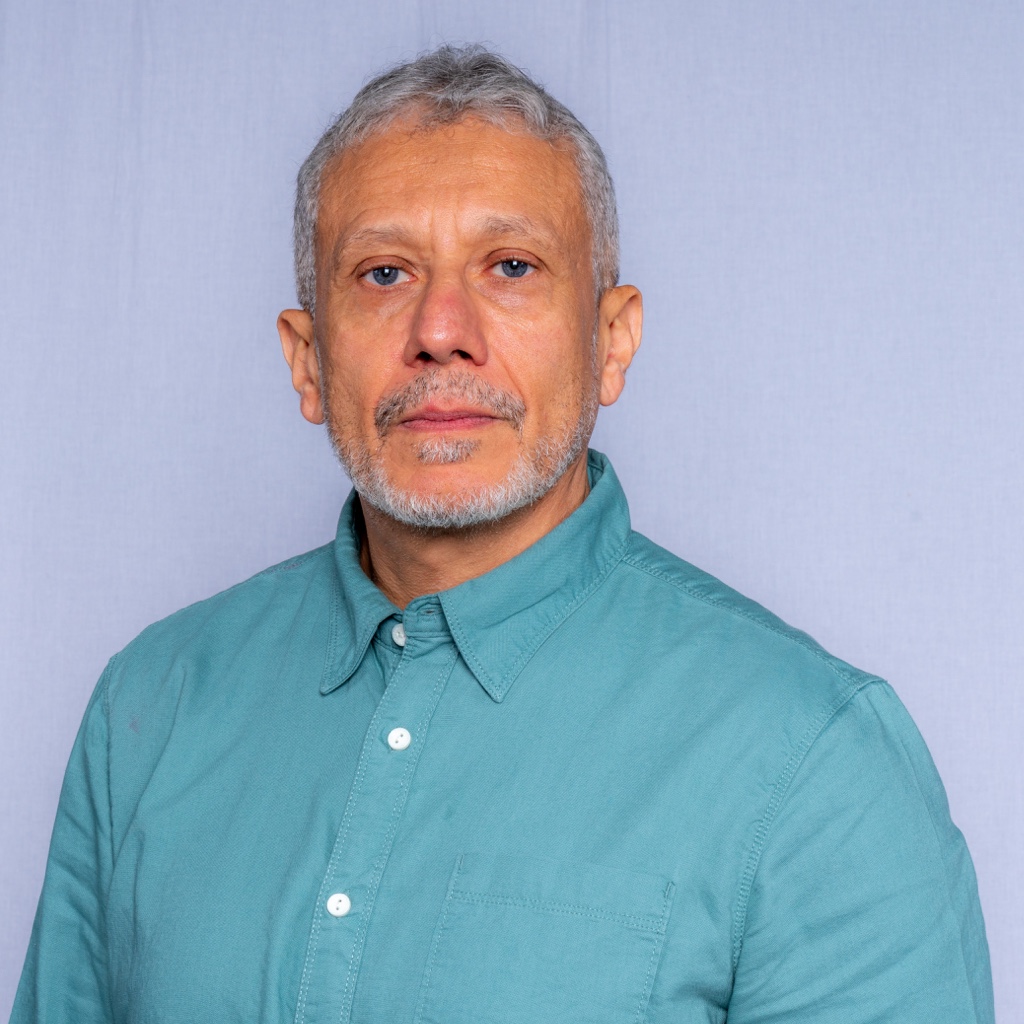
مرعي أحمد
- رقم الهاتف: --
الدكتور مرعي أحمد هو أستاذ وباحث متميز في مجالات علم النفس وعلوم التربية البدنية. وحاصل على دكتوراه في علوم وتقنيات التربية البدنية والرياضة (STAPS) وعلم النفس من جامعة ران 2 في فرنسا. ويمتلك خبرة واسعة في التدريس والبحث الأكاديمي في جامعات فرنسية مرموقة مثل جامعة ران 2 وجامعة باريس نانتار، وله أكثر من 115 بحثًا علميًا ومشاركة دولية في مجلات علمية، ودوريات أكاديمية، وكتب، ومؤتمرات عالمية. وتركز أبحاثه عدة مجالات، منها علم النفس الإيجابي، والقياس النفسي، وعلم النفس الرياضي والنشاط البدني، بالإضافة إلى علم النفس الصحي والاجتماعي. وشغل البروفيسور مرعي أحمد عضوية مجلس الإدارة للجمعية الدولية لعلم النفس الإيجابي (IPPA) خلال الفترة من 2015 إلى 2019، وكان عضوًا في هيئة تحرير العديد من المجلات العلمية الدولية. كما ساهم كمراجع وعضو في اللجان العلمية للعديد من المؤتمرات والمجلات الأوروبية والدولية. وفي عام 2010، تم تكريمه كباحث متميز في مجال "المواهب والكفاءات" (Competences et Talents) في فرنسا. كما حصل على تأهيل أستاذ مساعد في مجالات علمية مختلفه: علم النفس، العلوم التربوية، وعلوم التربية البدنية والرياضة (فرع علم النفس) من المركز الوطني للبحوث العلمية (CNRS) في فرنسا 2009. حديثاً، تم أنتخابه للمرة الرابعه على التوالى كعضو باللجنة الاستشارية للجمعية الدولية لعلم النفس الايجابى (2025-2028) https://ippanetwork.org/council-of-advisors/marei-salama-younes/
المؤهلات الأكاديمية
- دكتوراه في علم النفس، جامعة ران 2، بفرنسا، 2011.
- دكتوراه في علوم وتقنيات التربية البدنية والرياضة (STAPS)، (علم النفس الايجابى)، جامعة ران 2، بفرنسا، 2005.
دكتوراه في علم النفس، جامعة ران 2، بفرنسا، 2011.
دكتوراه في علوم وتقنيات التربية البدنية والرياضة (STAPS)، (علم النفس الايجابى)، جامعة ران 2، بفرنسا، 2005.
الخبرة
- 2002-2022 أستاذ وأستاذ متعاقد وأستاذ مشارك، وأستاذ باحث وباحث وباحث مشارك في عدد من الجامعات الفرنسية (ران 2 -بريتانيا العظمى-باريس نانتار).
- Psychology department, Humanities and Sciences College, Ajman University, UAE
- مُحكم بعدد من الدوريات والمجلات الدولية المتخصصة مثل: Sciences & Bonheur - Personality and Individual Differences - STAPS - Social Indicators Research - Journal of Well-Being Assessment
- أستاذ علم النفس
2002-2022 أستاذ وأستاذ متعاقد وأستاذ مشارك، وأستاذ باحث وباحث وباحث مشارك في عدد من الجامعات الفرنسية (ران 2 -بريتانيا العظمى-باريس نانتار).
Psychology department, Humanities and Sciences College, Ajman University, UAE
مُحكم بعدد من الدوريات والمجلات الدولية المتخصصة مثل: Sciences & Bonheur - Personality and Individual Differences - STAPS - Social Indicators Research - Journal of Well-Being Assessment
أستاذ علم النفس
مجال التدريس
- علم النفس الإيجابي، القياس النفسي، وعلم نفس النشاط البدنى .
علم النفس الإيجابي، القياس النفسي، وعلم نفس النشاط البدنى .
مجال البحث
- 1. Ahmed, M. (2025). Reviewing the translated and validated scales in positive psychology in sports within Arabic-speaking countries. In M. C. Richaud, B. Mesurado, & V. N. Lemos (Eds.), Contemporary psychometrics: New developments and applications. IntechOpen. https://doi.org/10.5772/intechopen.1010095
- Abdelrahman, R. M., Massoud, W. A., & Ahmed, M. (2025). Mental Health and Subjective Vitality in Arabic-Speaking North Africa: A Cross-Cultural Examination of the Mental Health Continuum–Short Form (MHC-SF). Psychiatric Quarterly, 1-18.
- Tayim, N., Ayasrah, M. N., Ahmed, M., & Abdelrahman, R. M. (2025). A Cross‐Sectional Network Analysis of Intimate Partner Violence and Suicidal Ideation Among Arab Women. Clinical Psychology & Psychotherapy, 32(1), e70037.
- Abdelrahman, R. M., Alsalhi, N. R., Alzoubi, A. M., Benlahcene, A., Ahmed, M., & El-Mneizel, A. F. (2025). Undergraduate Students' Perception Towards Cheating in Online Learning Programs: A Case Study at Ajman University, UAE. International Journal, 15, e2025128.
- Abdelrahman, R. M., Ahmed, M., Tayim, N., & Kordbagheri, M. (2024). Identification of the core characteristics of vulnerable/hypersensitive narcissism and its association with the dark triad in a large international sample: A network analysis study. Psychiatric Quarterly, 95(3), 415-431.
- Kordbagheri, A., Abdelrahman, R. M., Alsharif, A. F., & Ahmed, M. (2024). Psychometric properties of the Persian version of the reinforcement sensitivity theory personality questionnaire (RST-PQ). Acta Psychologica, 244, 104211.
- Ahmed, M., Abdelrahman, R. M., & Benlahcene, A. (2024). Passion types and life satisfaction among older adult Moroccans: Reliability of scores and mediation by resilience. Journal of Psychology in Africa, 34(1), 19-25.
- Davoudi, M., Abdelrahman, R. M., Ahmed, M., & Salekfard, S. V. (2024). How internalizing and externalizing symptoms related to suicidal ideation and suicide attempts in patients with obsessive-compulsive disorder? A network analysis study. Current Psychology, 43(35), 28079-28095.
- Salama-Younes, M., Guingouain, G., Le Floch, V., & Somat, A. (2014). Besoin de cognition, besoin d’évaluer, besoin de clôture: proposition d’échelles en langue française et approche socio-normative des besoins dits fondamentaux. European review of applied psychology, 64(2), 63-75.
- Salama-Younes, M. (2017). Psychometric properties of the Psychological Flourishing Scale in an Egyptian setting. Journal of Psychology in Africa, 27(4), 310-315
- Salama-Younes, M., Montazeri, A., Ismaïl, A., & Roncin, C. (2009). Factor structure and internal consistency of the 12-item General Health Questionnaire (GHQ-12) and the Subjective Vitality Scale (VS), and the relationship between them: a study from France. Health and Quality of life Outcomes, 7(1), 22.
- Salama-Younes, M., Martin-Krumm, C., Le Foll, D., & Roncin, C. (2008). Qualités psychométriques du questionnaire d'évaluation du mode explicatif des enfants. Canadian Journal of Behavioural Science/Revue canadienne des sciences du comportement, 40(3), 178.
- https://www.researchgate.net/profile/Marei-Salama-Younes-2
- Resilience as a mediator of self-compassion and psychological well-being among Arab adults
- Resilience as a mediator of self-compassion and psychological well-being among Arab adults
- Resilience as a mediator of self-compassion and psychological well-being among Arab adults
1. Ahmed, M. (2025). Reviewing the translated and validated scales in positive psychology in sports within Arabic-speaking countries. In M. C. Richaud, B. Mesurado, & V. N. Lemos (Eds.), Contemporary psychometrics: New developments and applications. IntechOpen. https://doi.org/10.5772/intechopen.1010095
Abdelrahman, R. M., Massoud, W. A., & Ahmed, M. (2025). Mental Health and Subjective Vitality in Arabic-Speaking North Africa: A Cross-Cultural Examination of the Mental Health Continuum–Short Form (MHC-SF). Psychiatric Quarterly, 1-18.
Tayim, N., Ayasrah, M. N., Ahmed, M., & Abdelrahman, R. M. (2025). A Cross‐Sectional Network Analysis of Intimate Partner Violence and Suicidal Ideation Among Arab Women. Clinical Psychology & Psychotherapy, 32(1), e70037.
Abdelrahman, R. M., Alsalhi, N. R., Alzoubi, A. M., Benlahcene, A., Ahmed, M., & El-Mneizel, A. F. (2025). Undergraduate Students' Perception Towards Cheating in Online Learning Programs: A Case Study at Ajman University, UAE. International Journal, 15, e2025128.
Abdelrahman, R. M., Ahmed, M., Tayim, N., & Kordbagheri, M. (2024). Identification of the core characteristics of vulnerable/hypersensitive narcissism and its association with the dark triad in a large international sample: A network analysis study. Psychiatric Quarterly, 95(3), 415-431.
Kordbagheri, A., Abdelrahman, R. M., Alsharif, A. F., & Ahmed, M. (2024). Psychometric properties of the Persian version of the reinforcement sensitivity theory personality questionnaire (RST-PQ). Acta Psychologica, 244, 104211.
Ahmed, M., Abdelrahman, R. M., & Benlahcene, A. (2024). Passion types and life satisfaction among older adult Moroccans: Reliability of scores and mediation by resilience. Journal of Psychology in Africa, 34(1), 19-25.
Davoudi, M., Abdelrahman, R. M., Ahmed, M., & Salekfard, S. V. (2024). How internalizing and externalizing symptoms related to suicidal ideation and suicide attempts in patients with obsessive-compulsive disorder? A network analysis study. Current Psychology, 43(35), 28079-28095.
Salama-Younes, M., Guingouain, G., Le Floch, V., & Somat, A. (2014). Besoin de cognition, besoin d’évaluer, besoin de clôture: proposition d’échelles en langue française et approche socio-normative des besoins dits fondamentaux. European review of applied psychology, 64(2), 63-75.
Salama-Younes, M. (2017). Psychometric properties of the Psychological Flourishing Scale in an Egyptian setting. Journal of Psychology in Africa, 27(4), 310-315
Salama-Younes, M., Montazeri, A., Ismaïl, A., & Roncin, C. (2009). Factor structure and internal consistency of the 12-item General Health Questionnaire (GHQ-12) and the Subjective Vitality Scale (VS), and the relationship between them: a study from France. Health and Quality of life Outcomes, 7(1), 22.
Salama-Younes, M., Martin-Krumm, C., Le Foll, D., & Roncin, C. (2008). Qualités psychométriques du questionnaire d'évaluation du mode explicatif des enfants. Canadian Journal of Behavioural Science/Revue canadienne des sciences du comportement, 40(3), 178.
https://www.researchgate.net/profile/Marei-Salama-Younes-2
Resilience as a mediator of self-compassion and psychological well-being among Arab adults
Resilience as a mediator of self-compassion and psychological well-being among Arab adults
Resilience as a mediator of self-compassion and psychological well-being among Arab adults
الإصدارات
-
مجلةPsychiatric quarterly, May 2026, doi: DOI:10.1007/s11126-026-10293-4
-
مجلةAndrade, G., Ahmed, M., Mohamed, E., & Bedewy, D. , Women's Health, 22, 17455057261445715., Nov 2026
-
مجلةCogent psychology, 11, pp.233 - 240, Nov 2024
-
مجلةJournal of Psychology in Africa, 34, pp.19 - 25, Feb 2024
-
مجلةActa Psychologica, 19, pp.244 - 254, Dec 2024
-
مجلةPrzestrzen Spoleczna, 23, pp.375 - 387, Feb 2023
-
مجلةJournal of Leisure Research Volume 49, 2018 - Issue 3-5, Nov 2018, doi: https://doi.org/10.1080/00222216.2018.1505160
-
مجلةJournal of Positive Psychology, Jan 2017, doi: dx.doi.org/10.1080/17439760.2017.1291848
-
مجلةJournal of Psychology in Africa, Aug 2017, doi: https://www.tandfonline.com/doi/abs/10.1080/14330237.2017.1347749
-
مجلةRevue europeenne de psychologie appliquee, May 2014, doi: https://doi.org/10.1016/j.erap.2014.01.001
-
مجلةHealth Qual Life Outcomes ., Mar 2009, doi: DOI: 10.1186/1477-7525-7-22
-
مجلةCanadian Journal of Behavioural Science, Nov 2008
-
مجلةMEJPP, Dec 0022
-
مجلةIndian Journal of Positive Psychology, 12, 1, 1-6., Mar 2021
-
مجلةPsychology, May 2018
-
مجلةMiddle East Journal of Positive Psychology, 4(1), 12-23., Apr 2018
-
مجلةDivision of Health and Wellness, International Positive Psychology Association., Apr 2018
-
مجلةInternational Positive Psychology Association., Mar 2018
-
مجلةIPPA, Apr 2018
-
مجلةArab, Mar 2017
-
مجلةJournal of Psychological Sciences, Mar 2016
-
مجلةInternational Journal of Education and Psychological Research, Apr 2016
-
مجلةIndian Journal of Positive Psychology, Sep 2016
-
مجلةMEJPP, Dec 2015
-
مجلةUS China Education Journal, 3, 1, 933- 943., Apr 2016
-
فصل من كتابWell-being, Springer
-
فصل من كتابWell-being, Springer
-
فصل من كتابUnderstanding Positive Life. Research and Practice on Positive Psychology. (pp. 199-215). Lisboa: Climepsi Editores., Lisboa: Climepsi Editores.
-
فصل من كتابMilano: Franco Angeli., Milano: Franco Angeli.
-
فصل من كتابDimensions of wellbeing. Research and intervention, Milano: Franco Angeli.
-
مجلةInternational Journal of Psychology,(IPA) 1, 2, 1-17., Dec 2007
Psychiatric quarterly, May 2026, doi: DOI:10.1007/s11126-026-10293-4
نبذة عن المجلة العلمية
Andrade, G., Ahmed, M., Mohamed, E., & Bedewy, D. , Women's Health, 22, 17455057261445715., Nov 2026
refers to being treated unfairly, disrespected, or judged simply because one is a woman. In many parts of Egyptian society, women may face restrictions on how they dress, where they go, how they behave, and the roles they are expected to play at home and work. Experiences such as harassment in public spaces, being spoken to disrespectfully, or being denied opportunities can have a strong emotional impact over time. To better understand this, we surveyed 310 adults living in Egypt, including 195 women. Participants answered questions about their daily experiences and their mental health. The results showed that women reported higher levels of anxiety, anger, and physical stress symptoms (such as headaches or fatigue) compared to men. We also found that women who experienced more frequent sexist behavior reported more emotional distress overall. One of the strongest findings was that experiences of sexual harassment and controlling or disrespectful treatment in close relationships were closely linked to increased mental health symptoms. This suggests that sexism occurring in personal relationships, not only in public spaces, has a powerful effect on well-being. These results highlight that sexism is not just a social issue, but a public health concern. Supporting women’s mental health in Egypt requires efforts to reduce gender discrimination, promote respectful treatment, and create safe spaces in families, workplaces, schools, and communities. Addressing sexism can help improve women’s emotional well-being and contribute to healthier, more supportive environments for everyone.
نبذة عن المجلة العلمية
Cogent psychology, 11, pp.233 - 240, Nov 2024
نبذة عن المجلة العلمية
Journal of Psychology in Africa, 34, pp.19 - 25, Feb 2024
نبذة عن المجلة العلمية
Acta Psychologica, 19, pp.244 - 254, Dec 2024
نبذة عن المجلة العلمية
Przestrzen Spoleczna, 23, pp.375 - 387, Feb 2023
نبذة عن المجلة العلمية
Journal of Leisure Research Volume 49, 2018 - Issue 3-5, Nov 2018, doi: https://doi.org/10.1080/00222216.2018.1505160
نبذة عن المجلة العلمية
Journal of Positive Psychology, Jan 2017, doi: dx.doi.org/10.1080/17439760.2017.1291848
نبذة عن المجلة العلمية
Journal of Psychology in Africa, Aug 2017, doi: https://www.tandfonline.com/doi/abs/10.1080/14330237.2017.1347749
نبذة عن المجلة العلمية
Revue europeenne de psychologie appliquee, May 2014, doi: https://doi.org/10.1016/j.erap.2014.01.001
نبذة عن المجلة العلمية
Health Qual Life Outcomes ., Mar 2009, doi: DOI: 10.1186/1477-7525-7-22
نبذة عن المجلة العلمية
Canadian Journal of Behavioural Science, Nov 2008
نبذة عن المجلة العلمية
MEJPP, Dec 0022
نبذة عن المجلة العلمية
Indian Journal of Positive Psychology, 12, 1, 1-6., Mar 2021
نبذة عن المجلة العلمية
Psychology, May 2018
نبذة عن المجلة العلمية
Middle East Journal of Positive Psychology, 4(1), 12-23., Apr 2018
نبذة عن المجلة العلمية
Division of Health and Wellness, International Positive Psychology Association., Apr 2018
نبذة عن المجلة العلمية
International Positive Psychology Association., Mar 2018
نبذة عن المجلة العلمية
IPPA, Apr 2018
نبذة عن المجلة العلمية
Arab, Mar 2017
نبذة عن المجلة العلمية
Journal of Psychological Sciences, Mar 2016
نبذة عن المجلة العلمية
International Journal of Education and Psychological Research, Apr 2016
نبذة عن المجلة العلمية
Indian Journal of Positive Psychology, Sep 2016
نبذة عن المجلة العلمية
MEJPP, Dec 2015
نبذة عن المجلة العلمية
US China Education Journal, 3, 1, 933- 943., Apr 2016
نبذة عن المجلة العلمية
Well-being, Springer
نبذة عن المجلة العلمية
Well-being, Springer
نبذة عن المجلة العلمية
Understanding Positive Life. Research and Practice on Positive Psychology. (pp. 199-215). Lisboa: Climepsi Editores., Lisboa: Climepsi Editores.
نبذة عن المجلة العلمية
Milano: Franco Angeli., Milano: Franco Angeli.
نبذة عن المجلة العلمية
Dimensions of wellbeing. Research and intervention, Milano: Franco Angeli.
نبذة عن المجلة العلمية
International Journal of Psychology,(IPA) 1, 2, 1-17., Dec 2007
نبذة عن المجلة العلمية
العرض التقديمي للمؤتمر
- أحمد، مرعى (2025) تكييف وتقنين الادوات البحثية فى علم النفس الايجابى الرياضى للناطقين باللغة العربيه: تراث عمل 20 عاماً بالبحث، القنيطرة، المغرب، 23-05-2025
- تكييف وتقنين الادوات البحثية فى علم النفس الايجابى الرياضى للناطقين باللغة العربيه: تراث عمل 20 عاماً بالبحث
أحمد، مرعى (2025) تكييف وتقنين الادوات البحثية فى علم النفس الايجابى الرياضى للناطقين باللغة العربيه: تراث عمل 20 عاماً بالبحث، القنيطرة، المغرب، 23-05-2025
تكييف وتقنين الادوات البحثية فى علم النفس الايجابى الرياضى للناطقين باللغة العربيه: تراث عمل 20 عاماً بالبحث
الجوائز والتقديرات
- https://ippanetwork.org/council-of-advisors/marei-salama-younes/
- عضو باحث في جامعتَي باريس نانتار وران 2 بفرنسا خلال الفترة من 2007 إلى 2022.
- عضو مجلس الإدارة الموسع وعضو اللجنة الاستشارية بالجمعية الدولية لعلم النفس الإيجابي (IPPA).
- https://ippanetwork.org/council-of-advisors/marei-salama-younes/
- https://ippanetwork.org/council-of-advisors/marei-salama-younes/