Ajman University's College of Pharmacy and Health Sciences Hosts "Pharmacy Preceptor Workshop-2026" to Strengthen Experiential Learning and Workforce Readiness
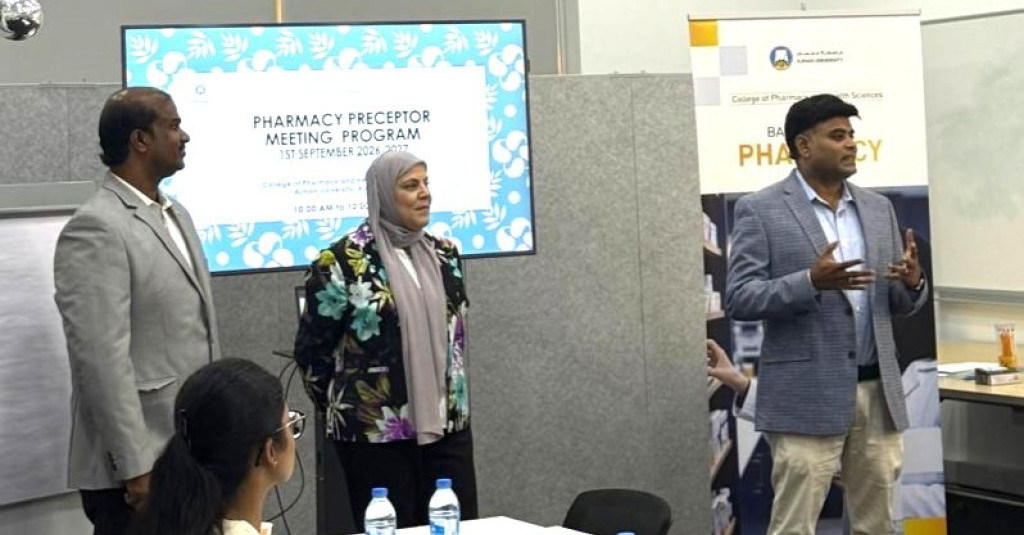
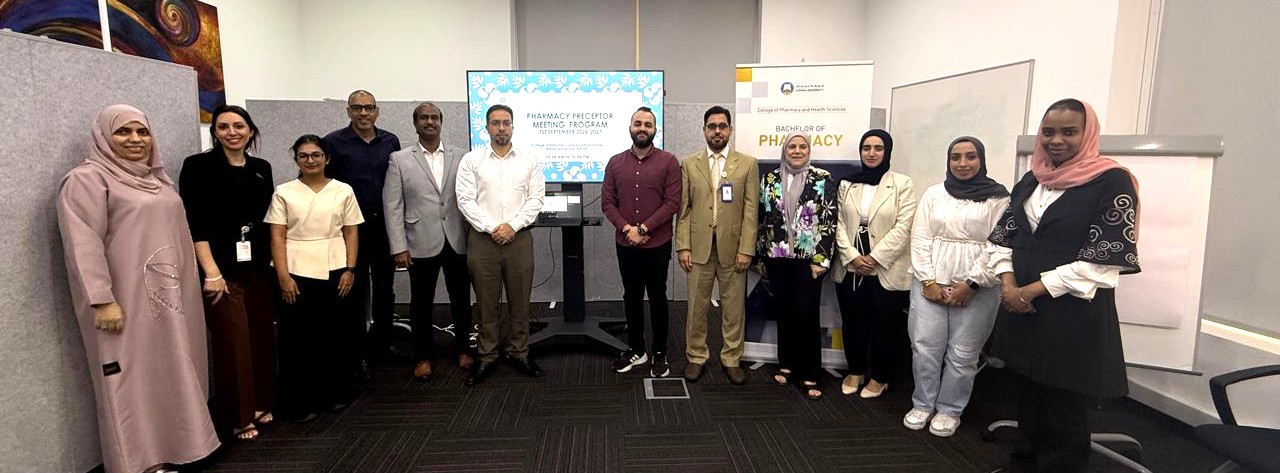
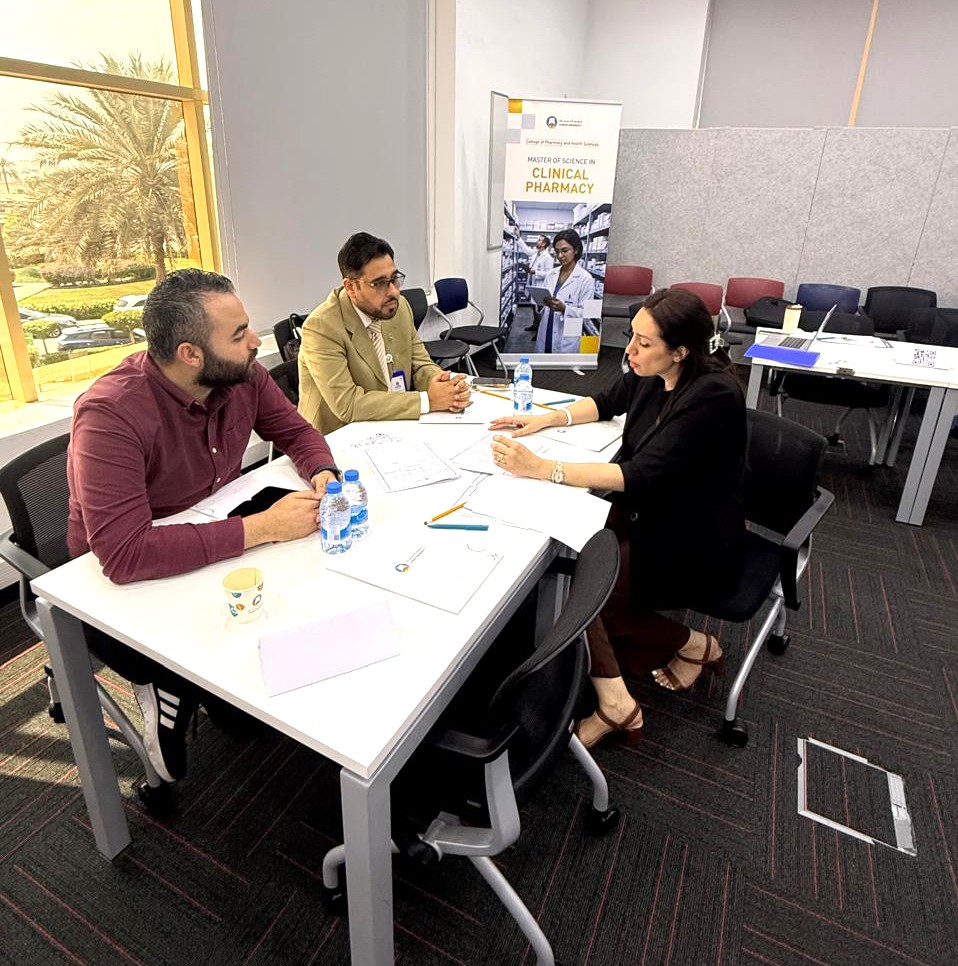
On September 1, 2026, the Office of Experiential Learning at Ajman University's College of Pharmacy and Health Sciences successfully hosted the "Pharmacy Preceptor Workshop-2026," bringing together preceptors from partner healthcare institutions to strengthen experiential education and enhance pharmacy students' readiness for the evolving healthcare workforce. The workshop aimed to foster collaboration between academic and clinical partners while ensuring that students acquire the competencies, professional skills, and practical experiences required to succeed in today's dynamic healthcare environment.
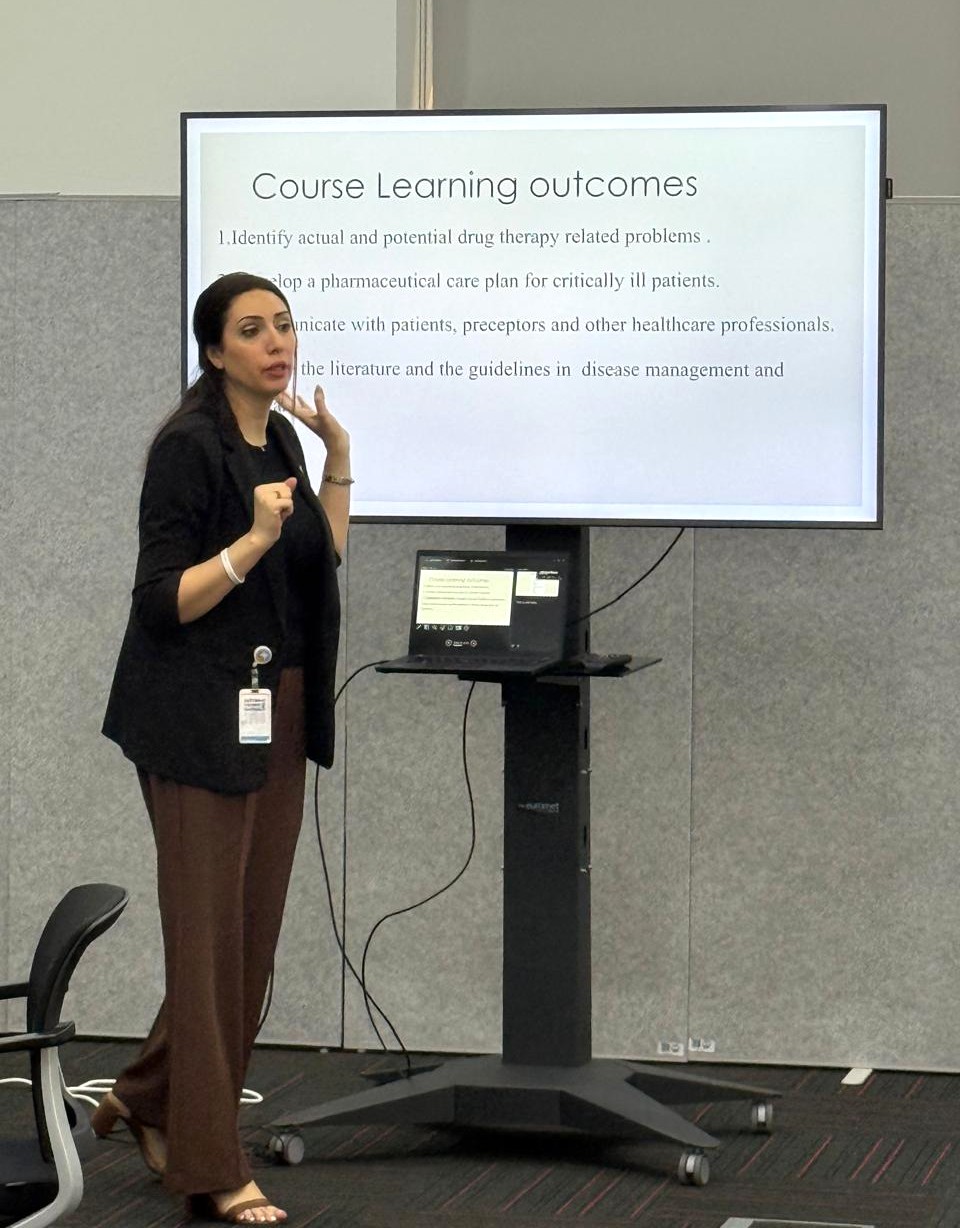
The program provided preceptors with an overview of the objectives, structure, and expectations of the experiential learning courses for the Fall 2026 Semester, building on the outcomes and recommendations of the ‘APPE Stakeholder Meet’ held on June 8, 2026. Discussions emphasized the vital role of preceptors in mentoring students, facilitating meaningful clinical learning experiences, and supporting their transition from academic study to professional pharmacy practice.
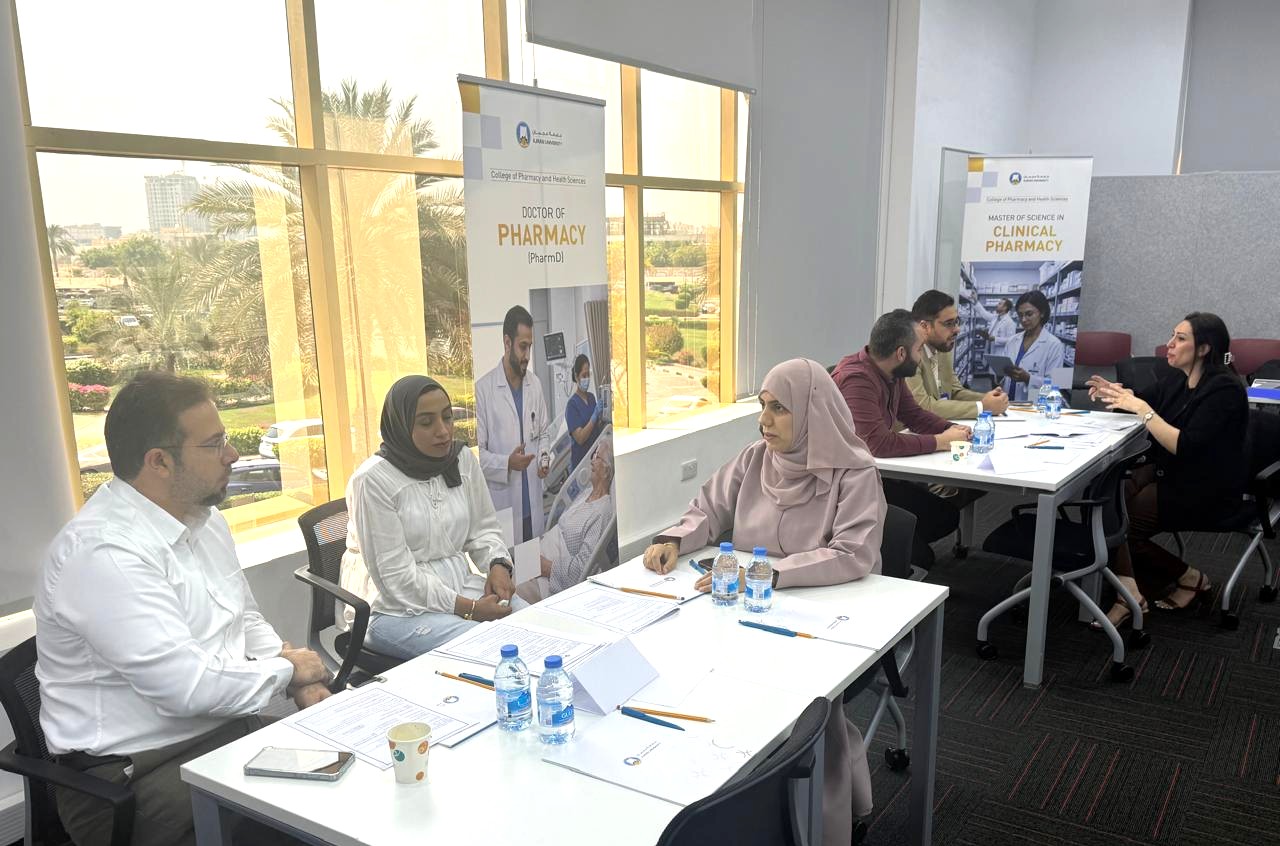
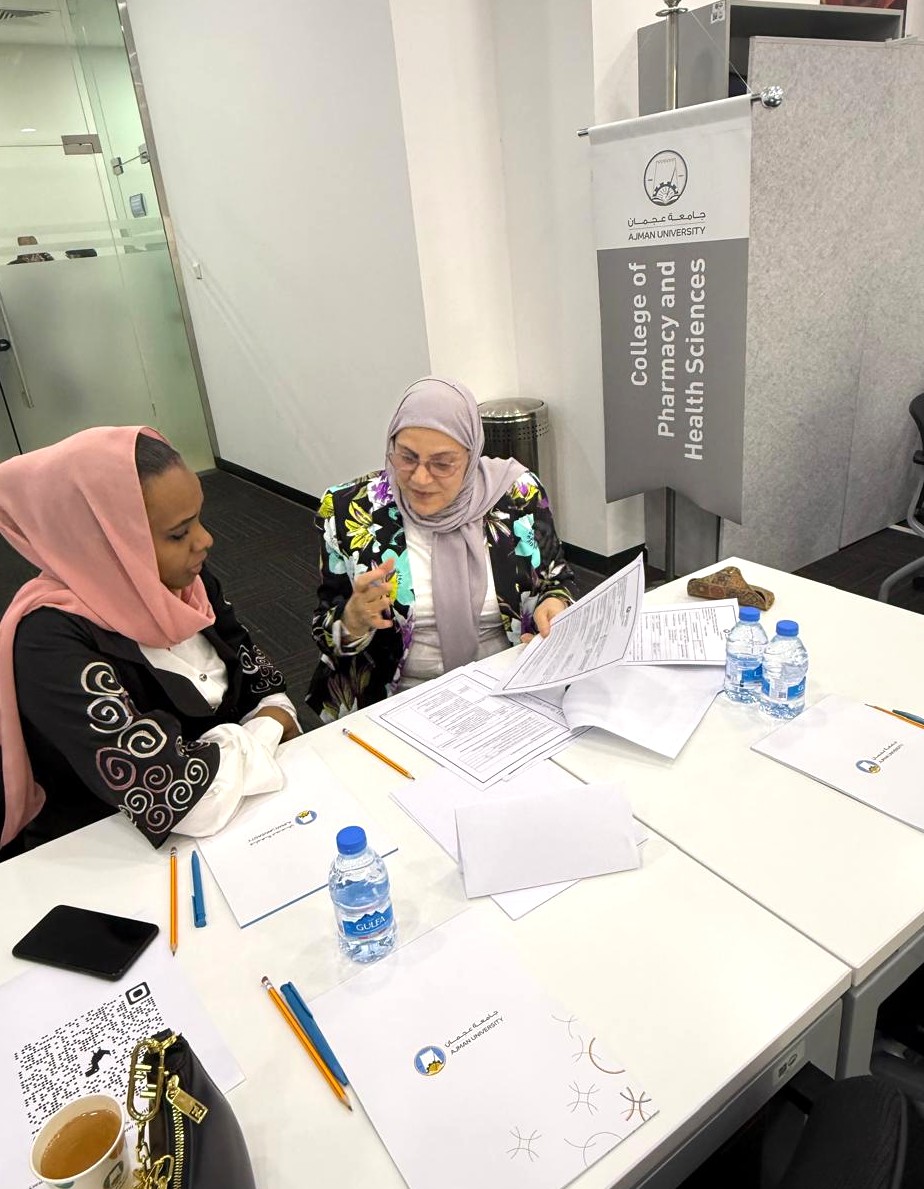
The workshop also familiarized participants with preceptor responsibilities, student assessment frameworks, experiential training policies, and procedures for monitoring student performance throughout clinical placements. Particular emphasis was placed on aligning students' clinical, professional, and practice-based competencies with the changing expectations of the healthcare sector. Through interactive discussions and experience-sharing sessions, preceptors explored effective approaches to enhancing students' clinical competence, professionalism, communication skills, and employability. Participants also received information about the support resources and communication channels available to assist them throughout the experiential training period.
In addition, the program served as an important platform for gathering structured feedback from preceptors regarding the knowledge, skills, and attributes required in the contemporary and future pharmacy workforce. Discussions focused on strengthening students' clinical expertise, professional conduct, communication abilities, digital literacy, and interprofessional collaboration skills while addressing emerging healthcare trends, technological advancements, and patient-centered care practices. Preceptors shared valuable insights into current industry expectations and workforce requirements, enabling the College to continuously refine its curriculum and experiential learning activities to better prepare graduates for professional practice. This feedback-driven approach supports the College's commitment to developing pharmacy graduates who are practice-ready, adaptable, and equipped with the lifelong learning skills necessary to thrive in an increasingly complex and rapidly evolving healthcare landscape.
Commenting on the initiative, Professor Abeer AlGhananeem, Dean of the College of Pharmacy and Health Sciences, said: "Our preceptors are indispensable partners in preparing the next generation of pharmacy professionals. Through this workshop, we strengthen our collaboration with healthcare institutions to ensure that students develop the competencies, professional behaviours, and practical skills required by today's healthcare sector. The insights and contributions of our preceptors play a crucial role in enhancing the quality of experiential learning and ensuring that our graduates are well prepared to meet the evolving needs of patients, healthcare organizations, and the profession."