Strengthening Outcome-Based Pharmacy Education Through Advanced Sterile Compounding Training
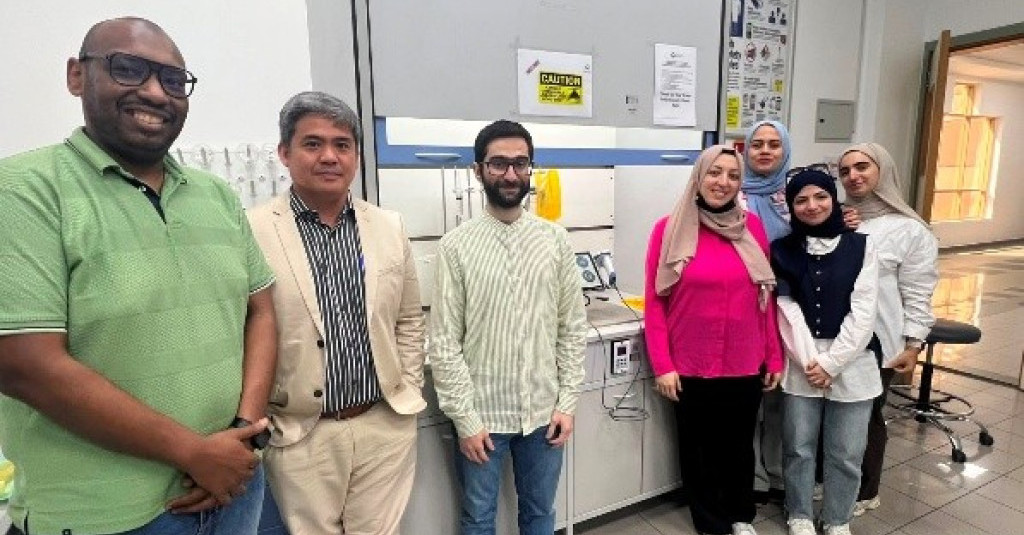
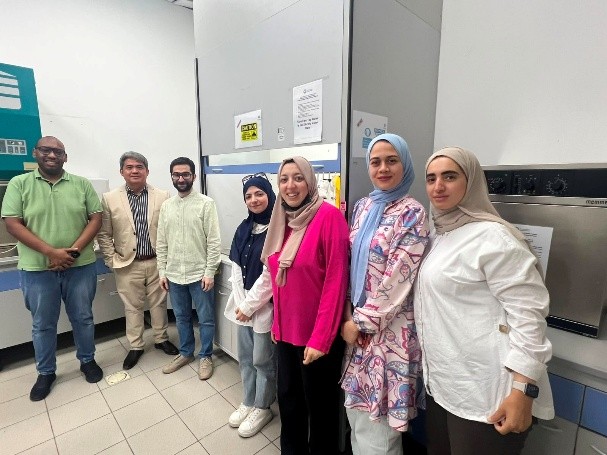
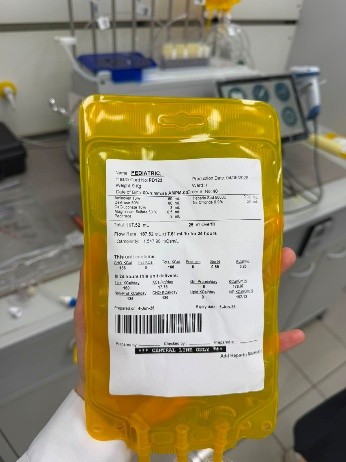
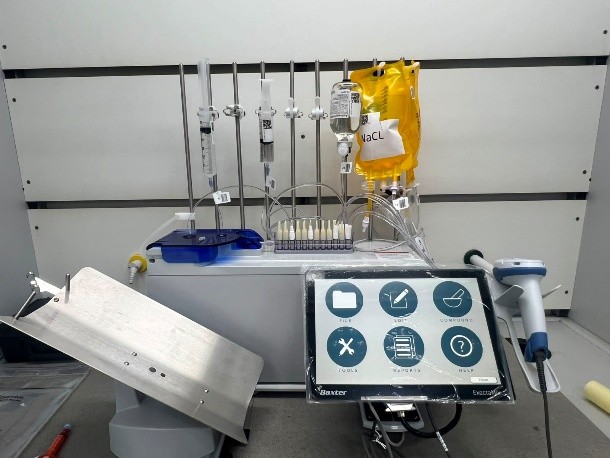
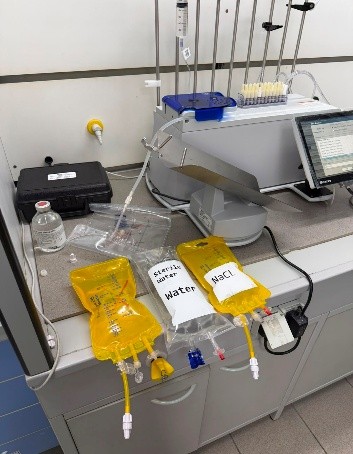
As part of the College of Pharmacy and Health Sciences ongoing commitment to advancing hands-on learning and preparing students for contemporary hospital pharmacy practice, a comprehensive intravenous compounding training workshop was conducted from 1st June 2026 to 5th June 2026. The program consisted of five days of intensive training, totaling six instructional hours per day.
The workshop brought together faculty members, support staff, and students enrolled in the MSc in Clinical Pharmacy program with the primary objective of developing advanced competencies in sterile compounding, medication preparation, workflow management, quality assurance, and patient safety. Through a combination of theoretical instruction and practical application, participants strengthened their understanding of the principles and procedures required for safe, accurate, and efficient intravenous medication compounding in hospital and healthcare settings.
Throughout the training, participants gained hands-on experience in compounding workflow processes, aseptic techniques, quality control procedures, troubleshooting, documentation requirements, and compliance with professional and safety standards. Particular emphasis was placed on developing practical skills related to accuracy, risk reduction, process validation, and operational efficiency, all of which are essential competencies for pharmacists involved in sterile product preparation. The program also reinforced critical thinking and problem-solving abilities through simulated scenarios and practical exercises that reflected real-world pharmacy practice.
The workshop was completed successfully, with participants demonstrating enhanced confidence, technical proficiency, and readiness to apply these skills in clinical and hospital pharmacy environments. The knowledge and competencies acquired through this training will strengthen the College's capacity to provide high-quality hands-on education and support the development of future pharmacists equipped with the practical skills necessary for safe and effective medication compounding. Trained faculty and staff will subsequently support the instruction of BPharm students, while trained MSc students will assist in transferring these competencies to future cohorts within the MSc in Clinical Pharmacy program.