Master in Clinical Psychology
-
Total # of Credit hours30
Welcome Message
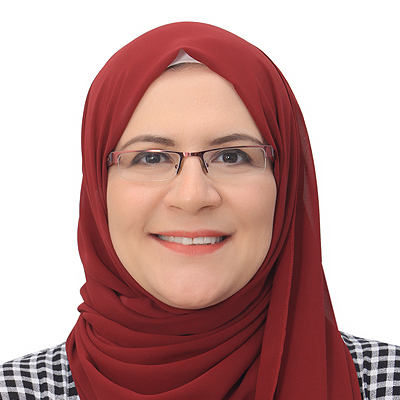
HOD of Psychology Department
Welcome to the Master of Arts in Clinical Psychology Program at Ajman University
With hearts filled with pride and spirits looking to the future with confidence and hope, we are proud to announce the launch of the Master of Arts in Clinical Psychology program at Ajman University.
This pioneering program comes in response to the growing and pressing need for specialized mental health services in our communities. It has been carefully designed to prepare a distinguished group of clinically trained professionals who are both scientifically and practically qualified, and who are committed to the highest standards of ethics and professionalism.
This graduate program reflects our deep commitment to academic excellence, scientific rigor, and social responsibility. It combines advanced psychological theory with intensive clinical training, offering students a unique opportunity to develop both the knowledge and the practical competencies essential for effective therapeutic practice.
Our curriculum is thoughtfully structured to cover diverse aspects of clinical psychology, including assessment and diagnosis, evidence-based interventions, psychological research, and professional ethics. Students will gain hands-on experience through supervised clinical placements and will be guided by a distinguished faculty composed of experienced clinicians, researchers, and educators.
Beyond academic and professional development, this program is rooted in a deep humanistic mission — to foster empathy, resilience, and psychological well-being in individuals, families, and communities. We believe that mental health care is not just a profession, but a calling to serve, heal, and empower.
If you aspire to begin your journey as a clinical psychologist, or you are looking to advance your career and obtain a professional license to practice in the United Arab Emirates, we warmly welcome you to join a distinguished and supportive academic environment at Ajman University — where knowledge is refined and expertise is built.
Warm regards,
Head of the Department of Psychology
Ajman University
Program Overview
Mission
To provide high-quality education and training in clinical psychology, grounded in academic excellence and ethical, culturally responsive practices tailored to diverse contexts. and prepare competent professionals capable of addressing a wide range of psychological needs, promoting mental health, and contributing meaningfully to individual and community well-being in accordance with the highest professional and research standards.
Vision:
To be a regional leader in the field of clinical psychology, distinguished by a commitment to integrity, equity, social responsibility, and innovation in education and research. The program aspires to graduate qualified professionals equipped to make a lasting, positive impact both locally and globally.
Admission requirements
- Applicants should have:
(Full admission)
- A Bachelor's in Psychology
- Interview Assessment
- CGPA 3.0 and above:
- CGPA 2.5 to 2.99 (Conditional admission)
- May register for up to 9 credit hours from the Master’s program.
- Must achieve a minimum GPA of 3.0 in the first semester to continue.
This addition to the English Proficiency Requirements
Applicants must meet one of the following for full admission:
- Minimum score of 5 on IELTS, or 500 on TOEFL
- Applicants who speak English must submit a certificate demonstrating their proficiency in Arabic, both reading and writing.
Job Opportunities
A Master of Arts in Clinical Psychology opens up numerous career opportunities in the United Arab Emirates, a country experiencing a steady increase in demand for mental health services. Below are some potential career paths for individuals holding this qualification:
- Clinical Psychologist: In hospitals, mental health clinics, private practices, rehabilitation centres, and addiction treatment centres.
- Psychological Counsellor: In educational institutions and various community-based organizations involved in mental health services (e.g., Social Services Authority, Community Development Authority, Women and Child Protection Centers, etc.).
- School Psychologist: In public and private schools, as well as universities, colleges, and technical institutes.
- Workplace Mental Health Consultant: In large corporations and human resource departments.
- Mental Health Consultant: In non-governmental organizations (NGOs), international organizations, and various care centers (e.g., Elderly care homes, orphanages, correctional and rehabilitation facilities).
- Child and Adolescent Psychologist: In paediatric clinics and specialized children’s hospitals.
- Forensic Psychologist: In criminal investigation departments within police forces, security agencies, and correctional institutions.
- Researcher or Academic: In universities, research institutions, and government agencies.
Program Structure and Credit Hours
Program Study plan
|
Ser. No. |
Type of Courses |
Number of Courses |
Number of Earned Credit Hours |
|||
|
1 |
Core Courses |
9 |
24 |
|||
|
2 |
Elective Courses |
2 |
6 |
|||
|
Total |
30 |
|||||
- Core courses: Nine courses (24 credit hours)
|
No. |
Course code |
Course title |
Credited hours |
Prerequisite course |
||
|
Theorical |
Practical |
Total Credits |
||||
|
1 |
MCP501 |
Advanced Abnormal Psychology |
3 |
0 |
3 |
|
|
2 |
MCP502 |
Advanced Clinical PsyPchology |
3 |
0 |
3 |
|
|
3 |
MCP503 |
Advanced Psychotherapy |
3 |
0 |
3 |
|
|
4 |
MCP504 |
Evaluation and Diagnosis |
3 |
0 |
3 |
|
|
5 |
MCP505 |
Thesis (1) |
3 |
0 |
0 |
|
|
6 |
MCP506 |
Thesis (2) |
0 |
6 |
3 |
MCP505 |
|
7 |
MCP507 |
Scientific and professional ethics(online) |
2 |
0 |
2 |
|
|
8 |
MCP508 |
Internship (1) (300 contact hours) |
0 |
4 |
2 |
MCP501,502,503,504 |
|
9 |
MCP509 |
Internship (2) (300 contact hours) |
0 |
4 |
2 |
MCP508 |
|
Total = 24 credit hours |
||||||
- Elective courses: Two courses (6 credit hours)
|
No. |
Course code |
Course title |
Credited hours |
Prerequisite course |
||
|
Theorical |
Practical |
total |
|
|||
|
1 |
MCP531 |
Positive Psychotherapy |
3 |
0 |
3 |
|
|
2 |
MCP532 |
Psychological disorders |
3 |
0 |
3 |
|
|
3 |
MCP533 |
Psychopharmacology |
3 |
0 |
3 |
|
|
4 |
MCP534 |
NeuroPsychology |
3 |
0 |
3 |
|
|
5 |
MCP535 |
Psychology of Mental health |
3 |
0 |
3 |
|
|
6 |
MCP536 |
Seminars in Psychotherapy |
3 |
0 |
3 |
|
|
7 |
MCP537 |
Cyberpsychology |
3 |
0 |
3 |
|
|
Total = 6 credit hours |
||||||
Study Plan
Courses Descriptions
Core courses
|
Course Title |
Advanced Abnormal Psychology |
Course Code |
MCP 501 |
|
Theorical |
Practical |
Total |
|
|
3 |
0 |
3 |
|
Catalog Course Description:
The course provides a comprehensive understanding of abnormal psychology, with a focus on the history of its development, current theoretical models, and diagnostic and assessment methods. It will also cover research methods used in the study of psychological disorders, as well as a detailed exploration of various types of psychological disorders affecting individuals at different stages of life. The course reviews the latest developments in psychological classifications, such as the Diagnostic and Statistical Manual of Mental Disorders (DSM-5) and the International Classification of Diseases (ICD-11). It also addresses the potential causes of psychological disorders, including biological, psychological, social, and environmental factors. Legal and ethical issues related to the management of these disorders will also be discussed. Additionally, the course encourages innovation by promoting creative thinking and adopting modern techniques to improve mental health outcomes, particularly in light of mental health and the use of artificial intelligence.
|
Course Title |
Advanced Clinical Psychology |
Course Code |
MCP 502 |
|
Theorical |
Practical |
Total |
|
|
3 |
0 |
3 |
|
Catalog Course Description:
This course introduces students to intensive analysis of theory and research on the diagnosis and treatment of behavioural disorders. They will learn the causes and assessment of the common and more refractory disorders, including substance-related disorders, schizophrenia, bipolar disorder, personality disorders, trauma, and eating disorders. This course also includes methods of intervention for these problems, including pharmacotherapy, psychodynamic psychotherapy, and dialectical behaviour therapy. Also, the course will highlight some issue such as the influence of artificial intelligence (AI) in clinical settings and its ethical implications, the role of sustainability in healthcare practices.
|
Course Title |
Advanced Psychotherapy |
Course Code |
MCP 503 |
|
Theorical |
Practical |
Total |
|
|
3 |
0 |
3 |
|
Catalog Course Description:
This course focuses on multiple theoretical frameworks regarding psychotherapy, introduce students to the key philosophical, psychodynamic, practical and theoretical approaches which guide current practice. Students will explore the stages of psychotherapy (initial, intermediate, and advanced) and evaluate the therapeutic approaches used at each stage. The course covers a range of intervention methods, such as psychodynamic therapy, cognitive-behavioral therapy, and art therapy, among others. In addition to theoretical knowledge, students will have opportunities for practical application through visits to institutions providing psychotherapeutic services especially in relation to technology and sustainability in the psychotherapy settings.
|
Course Title |
Evaluation and Diagnosis |
Course Code |
MCP 504 |
|
|
Theorical |
Practical |
Total |
Prerequisite course |
|
|
3 |
0 |
3 |
MCP501, MCP 502 |
|
Catalog Course Description:
This course offers a comprehensive study of psychological assessment methods, including interviews and various psychological tests, such as personality assessments and diagnostic tools for psychological disorders. It examines how these tools are applied across different fields of psychology, particularly in clinical, organizational, and personality evaluations. The course also addresses ethical considerations in psychological testing and provides guidance on writing diagnostic and evaluation reports. A practical component is included, where students will apply psychological tests in real-world settings and produce reports based on their findings considering the sustainability elements as well using AI and innovation in assessment.
|
Course Title |
Thesis 1 |
Course Code |
MCP505 |
|
Theorical |
Practical |
Total |
Prerequisite course |
|
0 |
4 |
4 |
- |
Catalog Course Description:
This course focuses on developing skills in designing and conducting research in clinical psychology. Quantitative and qualitative methods are reviewed, with an emphasis on advanced statistical analysis and its applications. Students are introduced to the principles and ethics of scientific research and apply them to real clinical issues. The course also includes the writing and publishing of scientific research, and discusses contemporary research trends.
|
Course Title |
Thesis 2 |
Course Code |
MCP 506 |
|
Theorical |
Practical |
Total |
Prerequisite course |
|
2 |
0 |
2 |
MCP505 |
Catalog Course Description:
This course aims to enable students to design and implement a comprehensive research project in the field of clinical psychology under the supervision of a specialized academic advisor. It includes all stages of scientific research, starting with identifying the research problem and formulating hypotheses, preparing the theoretical and methodological framework, using measurement tools, collecting field data, and statistically analyzing it. The course focuses on developing research skills and academic writing according to scientific standards, with an emphasis on adhering to research ethics and professionalism. It also enhances critical thinking and scientific analysis through discussion of results and providing evidence-based recommendations. The course concludes by preparing students to confidently defend their research in front of examination committees, supported by accurate scientific outcomes.
|
Course Title |
Scientific and professional ethics online) |
Course Code |
MCP 507 |
|
Theorical |
Practical |
Total |
Prerequisite course |
|
3 |
0 |
3 |
- |
Catalog Course Description:
This course provides a comprehensive understanding of scientific and professional ethics in clinical psychology, with a focus on the ethical responsibilities of practitioners, researchers, and academicians in the field. It emphasizes the importance of ethical frameworks such as the American Psychological Association (APA) Code of Ethics and other international standards. Students will explore topics such as confidentiality, informed consent, cultural competence, dual relationships, and ethical decision-making in complex clinical situations.
Special attention is given to the application of ethics in the context of online therapy, telehealth services, and remote psychological assessments as well as the influence of artificial intelligence (AI) in clinical settings and its ethical implications, the role of sustainability in healthcare practices, and fostering innovative solutions to ethical challenges. Through case studies, group discussions, and practical exercises, students will develop the skills to identify, analyze, and resolve ethical dilemmas effectively.
|
Course Title |
Practicum 1 |
Course Code |
MCP 508 |
|
Theorical |
Practical |
Total |
Prerequisite course |
|
0 |
2 |
2 |
MCP 501,502,503,504 |
Catalog Course Description:
This course aims to provide psychology students with the opportunity to apply their acquired theoretical knowledge in a real professional environment and to enhance the practical skills necessary for working in the psychological field. The course focuses on developing professional observation skills, academic documentation, and professional ethics. Additionally, it trains students to perform field tasks under direct supervision by specialists in psychological and social institutions. This training serves as a foundation for Practicum 2, which involves more in-depth application of professional skills.
|
Course Title |
Practicum 2 |
Course Code |
MCS 509 |
|
Theorical |
Practical |
Total |
Prerequisite course |
| 0 | 2 | 2 | MCS508 |
Catalog Course Description:
The practicum course aims to provide students with intensive hands-on experience in the field of clinical psychology. This is achieved by spending an entire semester in the practicum, accumulating 300 hours under the supervision of a specialized field supervisor and an academic supervisor from the university. The practicum includes working in specialized institutions such as psychiatric hospitals, rehabilitation centres, psychological clinics, and schools or universities that offer psychological services. The course focuses on developing skills in psychological assessment and diagnosis, designing and implementing treatment plans, and preparing clinical reports. Additionally, students will learn to manage therapeutic sessions and work within interdisciplinary teams, while adhering to professional ethical values.
Elective courses
|
Course Title |
Positive Psychotherapy |
Course Code |
MCP 531 |
|
Credited hours |
Prerequisite course | ||
|
Theorical |
Practical |
Total |
- |
| 3 | 0 | 3 | |
Catalog Course Description:
The "Positive Psychotherapy" course at the master's level aims to train psychologists in applying the latest therapeutic approaches based on positive psychology. Topics covered include building personal strengths, enhancing happiness and life satisfaction, developing resilience, and preventing psychological disorders. The course will incorporate various therapeutic models and practical applications through case studies and interactive exercises. The course focuses on developing psychologists' skills in promoting positive mental health. It covers a diverse range of topics, including positive psychology and positive cognitive-behavioral therapy (CBT). Students will learn how to develop individualized treatment plans centered on strengthening personal resources and fostering psychological well-being. Additionally, the course provides a comprehensive overview of the theoretical and practical foundations of positive psychology. Key topics include happiness, gratitude, meaning in life, positive relationships, and resilience. Students will be equipped with tools to assess strengths and design effective intervention programs to enhance psychological well-being at both individual and group levels.
|
Course Title |
Psychological Disorders |
Course Code |
MCP532 |
|
Credited hours |
Prerequisite course |
||
| Theorical | Practical | Total | - |
| 3 | 0 | 3 | |
Catalog Course Description:
The "Psychological Disorders" course aims to provide students with a comprehensive understanding of various behavioral disorders affecting children and adolescents, including their causes, symptoms, diagnosis, and treatment. Students will learn how to identify and assess these disorders while acquiring preventive and therapeutic skills in psychological services for children and adolescents, enabling them to offer necessary support to both individuals and their families. Additionally, the course covers comprehensive knowledge of the diagnosis, assessment, and preventive treatment of behavioral disorders. Students will apply various theories and assessment tools, enhancing their communication skills with children, adolescents, and their families while gaining a broad perspective on these disorders. A variety of teaching methods will be utilized, including theoretical lectures, case studies, group discussions, and field visits to schools, hospitals, psychological centers, and other institutions providing services to children and youth. The course also incorporates artificial intelligence (AI) applications to develop solutions for managing behavioral disorders.
|
Course Title |
Psychopharmacology |
Course Code |
MCP533 |
|
Credited hours |
Prerequisite course |
||
| Theorical | Practical | Total | - |
|
3 |
0 |
3 |
|
Catalog Course Description:
This course provides an in-depth understanding of psychopharmacology, focusing on the biological bases of mental disorders and the pharmacological treatments for them. Students will explore the mechanisms of action, side effects, and clinical applications of major drug classes such as antidepressants, antipsychotics, mood stabilizers, and anxiolytics. The course also covers topics like drug interactions, the ethics of psychopharmacological treatment, and emerging treatments in the field of psychopharmacology. The course emphasizes ethical considerations in prescribing, the role of artificial intelligence (AI) in pharmacological advancements, the importance of sustainability in pharmaceutical practices, and fostering innovation to enhance patient outcomes.
|
Course Title |
Psychology of Mental Health |
Course Code |
MCP535 |
|
Credited hours |
Prerequisite course | ||
| Theorical | Practical | Total | - |
| 3 | 0 | 3 | |
Catalog Course Description
The "Psychology of Mental Health" course aims to provide students with a solid foundation in understanding various aspects of mental health, including fundamental theories, common psychological disorders, and influencing factors. It equips students with a range of assessment, diagnosis, and intervention skills, fostering a deeper understanding of mental health and enabling them to contribute effectively to the field of psychological care. The course covers the dynamic foundations of mental health disorders, along with different areas of mental health practice. Additionally, legal and ethical issues related to the use of artificial intelligence (AI) in mental health will be explored. The course encourages innovation and creative thinking, promoting the adoption of modern technologies to enhance mental health outcomes, particularly through AI applications.
|
Course Title |
Seminars in Psychotherapy |
Course Code |
MCP536 |
|
Credited hours |
Prerequisite course | ||
| Theorical | Practical | Total | - |
| 3 | 0 | 3 | |
Catalog Course Description:
This seminar-based course focuses on contemporary approaches to mental health and psychotherapy, offering students the opportunity to engage with cutting-edge therapeutic models and evidence-based practices. The course will cover topics such as therapeutic interventions for various mental health disorders, psychodynamic, cognitive-behavioral, and humanistic therapies, as well as emerging trends in mental health care. Students will be encouraged to critically analyze theoretical frameworks and clinical practices, engaging in discussions and case studies to apply their learning. Additionally, students will engage with sustainability concepts by evaluating environmentally friendly practices in therapy spaces and mental health services.
|
Course Title |
Cyberpsychology |
Course Code |
MCP 537 |
|
Credited hours |
Prerequisite course | ||
| Theorical | Practical | Total | - |
| 3 | 0 | 3 | |
Catalog Course Description:
This course examines the impact of digital technology on human behaviour, focusing on interactions between humans and technology, such as the Internet, social media, and electronic games. It aims to understand how this digital environment affects mental health, emotions, cognition, and social relationships, exploring topics like digital addiction and online identity. The course also discusses the use of online psychotherapy techniques, such as cognitive-behavioral therapy, for treating disorders like anxiety and depression. Ethical issues associated with digital psychotherapy, such as privacy and informed consent, are also addressed, along with challenges in remote therapy. The course highlights future trends in cyberpsychology, including the use of artificial intelligence and electronic games as therapeutic tools. The ultimate goal is to enable students to effectively use technology in psychotherapy while adhering to professional ethics. Sustainability concepts are also incorporated by evaluating environmentally friendly practices in therapeutic spaces and mental health services. Additionally, innovation is encouraged by fostering creative thinking and adopting modern technologies to enhance mental health outcomes.
|
Course Title |
NeuroPsychology |
Course Code |
MCP534 |
|
Credited hours |
Prerequisite course |
||
| Theorical | Practical | Total | - |
|
3 |
0 |
3 |
|