How a Healthcare Management Course Prepares You for Leadership Roles
Imagine walking into a busy hospital emergency room. What you see on the surface is doctors treating patients and nurses providing care. But behind every smooth operation, a healthcare manager is orchestrating the complex dance of resources, budgets, regulations, and people.
Healthcare is evolving rapidly, and today's healthcare management course graduates don't just manage — they lead transformative change.
Modern healthcare leaders must bridge two worlds: business acumen and patient-centered care. They make decisions that directly impact both the bottom line and human lives. It's no longer enough to understand spreadsheets; you need to grasp medical ethics, technology integration, and regulatory compliance while inspiring teams to deliver exceptional patient outcomes.
Ajman University stands as one of the best institutions preparing graduates to lead transformative healthcare initiatives. Their comprehensive approach ensures you're not just learning theory — you're developing the practical skills that tomorrow's healthcare systems will demand from their leaders.
The Contemporary Healthcare Leadership Landscape
Once you step into today's healthcare environment, you'll quickly realize why traditional management approaches fall short. Modern healthcare leaders juggle quality patient care with cost containment, navigate ever-changing regulations while driving innovation, and manage diverse teams in high-pressure environments where decisions can be life-or-death.
Today's healthcare managers must balance these competing demands while maintaining the human touch that healthcare fundamentally requires. They need financial expertise to manage budgets, strategic thinking to plan for future needs, and emotional intelligence to lead compassionate care teams. It's a unique blend of skills that requires specialized training and a deep understanding of healthcare's distinctive challenges.
Core Competencies Developed in Healthcare Management Programs
- Leadership Assessment & Emotional Intelligence
You learn how to manage people, understand emotions, and lead teams effectively. Great leaders are not just skilled; they're empathetic and approachable.
- Financial & Managerial Acumen
From budgeting to resource allocation, healthcare leaders need sharp business skills. A program trains you to make decisions that are sustainable and financially sound.
- Strategic Thinking & Organizational Management
Whether it's expanding hospital services or implementing new policies, you'll develop the ability to think long-term and manage complex organizations with confidence.
- Benefits of Enrolling in a Healthcare Management Course
Here’s the content rewritten using headers as pointers, along with accurate, up-to-date statistics from trusted sources. Each section is concise and reader-focused:
- Rapid Job Growth Ahead
Career opportunities in healthcare management are growing fast. The U.S. Bureau of Labor Statistics projects a 29% increase in employment for medical and health services managers between 2023 and 2033 — far above the average for all occupations. This level of growth signals strong job security and advancement potential for you as a qualified professional.
- Strong Earning Potential
As a healthcare management specialist, your earning potential can be impressive. In May 2024, the median annual wage for medical and health services managers was $117,960, according to the BLS. That’s significantly higher than many other fields, making this role both impactful and financially rewarding.
- Sector-Specific Expertise
Unlike general business management, this field covers critical areas like medical ethics, patient privacy laws, clinical workflows, and healthcare technology. This expertise makes you invaluable to healthcare organizations that need leaders who understand their unique challenges and needs.
Why Ajman University's Credit-bearing Micro Credential in Healthcare Management & Leadership Program Stands Out
- Leadership & Strategy Essentials
Ajman University's Credit-bearing Micro-credential in Healthcare Management and Leadership program equips you with essential skills, including leadership, financial management, strategic planning, technical expertise, and ethics. You learn how to guide teams, budgets, and big-picture decisions with confidence.
- Practice in Simulated Healthcare Settings
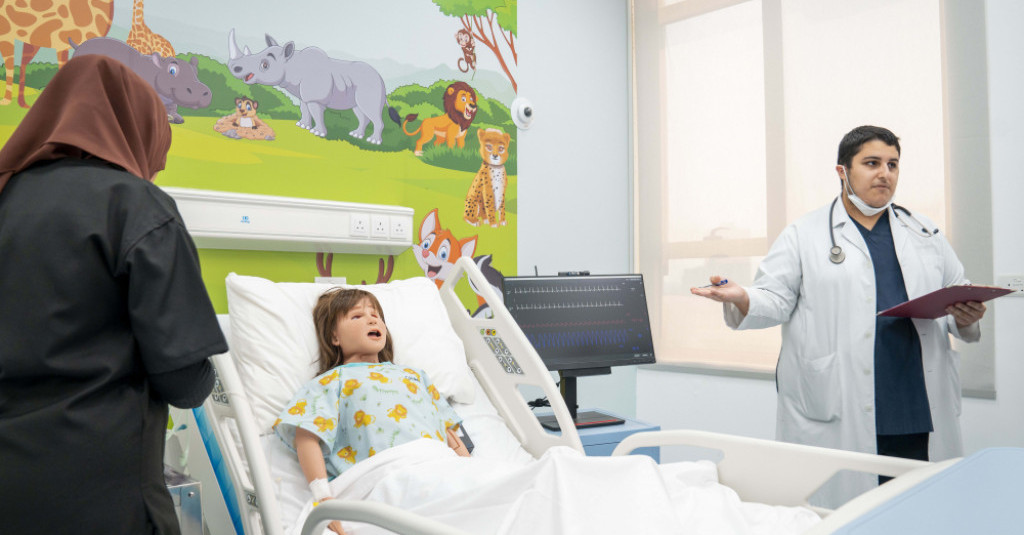
You train in simulated environments that mirror real hospitals. Here, you'll make decisions under realistic pressure without risk to real patients. This practice will help you build confidence and sharpen your judgement.
- Learn from Industry Experts & Mentors
Your classroom becomes a hub for insight from seasoned healthcare leaders. Through partnerships and mentorship, you gain advice from executives navigating today's challenges, making your learning current and career-focused.
- Global Practices
Master UAE healthcare regulations while embracing global best practices. This dual focus prepares you to lead locally or internationally, fluent in both regional standards and worldwide trends.
- Flexible, Stackable Format for Working Pros
Need career-friendly learning? The micro-credential's modular, stackable structure lets you advance your skills step by step. No need to pause your work life. You can progress at your own pace without losing your daily momentum.
A Healthcare Management Course equips you with an essential combination of leadership skills, analytical thinking, financial expertise, and strategic planning abilities through immersive, practical learning experiences. You'll graduate with a comprehensive understanding of how to manage healthcare operations to lead meaningful improvements in patient care, operational efficiency, and organizational success.
The healthcare industry needs leaders who can balance compassion with business acumen, innovation with regulation, and efficiency with quality. These are complex challenges that require specialized training and a deep understanding of healthcare's unique environment.
Ready to become the leader shaping tomorrow's healthcare systems? Explore Ajman University's Credit-bearing Micro Credential in Healthcare Management & Leadership program. Your journey toward healthcare leadership starts with the right education, and there's never been a better time to begin. The patients, healthcare teams, and communities of the future are counting on leaders like you to navigate the exciting challenges ahead.
FAQ's
What leadership skills can I gain from a healthcare management course?
You'll develop emotional intelligence, strategic thinking, financial management, team leadership, crisis management, and change leadership skills. These programs focus on healthcare-specific challenges like managing diverse medical teams, making ethical decisions under pressure, and balancing patient care with operational efficiency.Is a healthcare management degree useful for non-medical professionals?
Absolutely! Healthcare management welcomes professionals from business, engineering, and other backgrounds. The program provides specialized training in healthcare industry knowledge, regulations, and ethics. Many successful healthcare managers began in other fields, bringing valuable external perspectives to healthcare organizations.
Can a healthcare management degree lead to international career opportunities?
Yes, healthcare management skills are globally transferable. While regulations vary by country, core competencies — leadership, financial management, strategic planning, and operations — apply worldwide. Ajman University's program specifically prepares graduates for both regional and international opportunities in the growing global healthcare market.