Important Numbers
 Ajman Campus
 +971 6 748 2222 Admission & Registration +971 6 748 2222
Finance Department +971 6 705 6151 Housing +971 6 7056635
Transportation +971 6 7056912
Medical Clinic +971 6 7056294, +971 6 7056773
Location Map

-
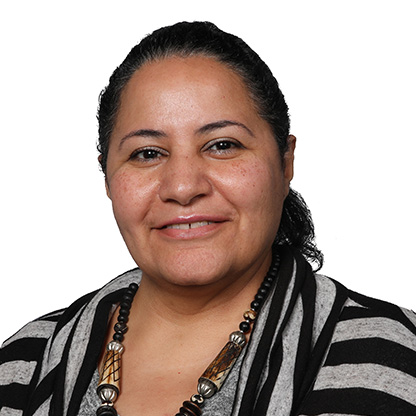
Dalia Ahmad Muhammad Omar Bedewy
- Associate Professor, Director of the Center for Inclusive Learning
- Ext: 6025
Dr. Dalia Bedewy earned her Ph.D. in Psychology from Tanta University in June 2014. She has held academic positions at prestigious institutions, including the University of Scranton (USA, 2006), the University of South Florida (USA, 2012), Oklahoma State University (USA, 2016), and Tanta University (Egypt), where she served as an Associate Professor of Psychology from 2021. Currently, Dr. Bedewy is an Assistant Professor of Psychology and the Manager of the Counseling Unit at Ajman University, UAE.
Education
- Ph.D. in Psychology, Tanta University, Egypt, 2014.
- M.A. in Psychology, Tanta University, Egypt, 2005.
- Special Diploma in Psychology, Tanta University, Egypt, 2002.
- Professional Diploma in Special Education, Tanta University, Egypt, 2001.
- B.A. in English Language and Literature, Tanta University, Egypt, 1999.
Ph.D. in Psychology, Tanta University, Egypt, 2014.
M.A. in Psychology, Tanta University, Egypt, 2005.
Special Diploma in Psychology, Tanta University, Egypt, 2002.
Professional Diploma in Special Education, Tanta University, Egypt, 2001.
B.A. in English Language and Literature, Tanta University, Egypt, 1999.
Experience
- Associate Professor of Psychology, Ajman University, UAE, September 2023 – Present.
- Assistant Professor of Psychology, Ajman University, UAE, 2018 – 2023.
- Visiting Scholar, Cognitive Psychology Department, Oklahoma State University, USA, 2016 – 2017.
- Research Scholar, Psychology Department, University of South Florida, USA, February 2012 – June 2012.
- Teaching Assistant of Arabic Language, Foreign Languages Department, University of Scranton, USA, 2006 – 2007.
- Teaching Assistant of Psychology, Psychology Department, Tanta University, Egypt, 2005 – 2014.
- Administrator of Psychology, Psychology Department, Tanta University, Egypt, 2000 – 2005.
Associate Professor of Psychology, Ajman University, UAE, September 2023 – Present.
Assistant Professor of Psychology, Ajman University, UAE, 2018 – 2023.
Visiting Scholar, Cognitive Psychology Department, Oklahoma State University, USA, 2016 – 2017.
Research Scholar, Psychology Department, University of South Florida, USA, February 2012 – June 2012.
Teaching Assistant of Arabic Language, Foreign Languages Department, University of Scranton, USA, 2006 – 2007.
Teaching Assistant of Psychology, Psychology Department, Tanta University, Egypt, 2005 – 2014.
Administrator of Psychology, Psychology Department, Tanta University, Egypt, 2000 – 2005.
Teaching Area
- Psycho-physiology, psycholinguistics, critical thinking, using technology in teaching psychology, reading in psychology in the English language, creativity, cognitive psychology, educational psychology, learning disabilities.
Psycho-physiology, psycholinguistics, critical thinking, using technology in teaching psychology, reading in psychology in the English language, creativity, cognitive psychology, educational psychology, learning disabilities.
Research
- Cognitive psychology, psycholinguistics, language processing, language production, working memory, ADHD, test anxiety, mind wandering.
Cognitive psychology, psycholinguistics, language processing, language production, working memory, ADHD, test anxiety, mind wandering.
Publications
-
JournalAndrade, G., Adnan Ahmed, U., Al-Nuaimy, Y. A. M. Z., Zyara, Z. H. A., Hameed, H. S., & Bedewy, D. (2024). Cat ownership, psychotic experiences and moral decision-making in sacrificial dilemmas: A study in the United Arab Emirates. Journal of Cognitive Psychology, 36(2), 270–283., Journal of cognitive psychology, Dec 2023, doi: https://doi.org/10.1080/20445911.2024.2313571
-
JournalEid Galal Abo Hamza, Dalia Bedewy, Richard Tindle, Samir Dukmak, ALaaeldin Ayoub, Ahmed Mustafa. Psychological Factors Impacting Joining STEM-Related Majors in the United Arab Emirates. Journal of Social Studies Education Research (2024), Journal of Social Studies Education Research, Jan 2024
-
JournalAbo Hamza, Eid, Tindle, Richard, Pawlak, Simon, Bedewy, Dalia and Moustafa, Ahmed A.. "The impact of poverty and socioeconomic status on brain, behaviour, and development: a unified framework" Reviews in the Neurosciences,(2024) vol. 35, no. 6,, Reviews in the Neurosciences, Apr 2024, doi:
-
JournalAndrade, G., AboHamza, E., Elsantil, Y. et al. Moral approval of xenotransplantation in Egypt: associations with religion, attitudes towards animals and demographic factors. BMC Med Ethics 25, 19 (2024)., BMC Med Ethics, Feb 2024, doi: https://doi.org/10.1186/s12910-024-01013-3
-
Journal• Watts, L.L., Hamza, E.A., Bedewy, D.A. et al. A meta-analysis study on peer influence and adolescent substance use. Curr Psychol (2023). https://doi.org/10.1007/s12144-023-04944-z, Curr Psychol, Jul 2023, doi: https://doi.org/10.1007/s12144-023-04944-z
-
JournalGabriel Andrade, Khadiga Yasser Abdelraouf Abdelmonem, Nour Alqaderi, Hajar Jamal Teir, Ahmed Banibella Abdelmagied Elamin & Dalia Bedewy , • Gabriel Andrade, Khadiga Yasser Abdelraouf Abdelmonem, Nour Alqaderi, Hajar Jamal Teir, Ahmed Banibella Abdelmagied Elamin & Dalia Bedewy (2023) Depressive symptoms are associated with utilitarian responses in trolley dilemmas: a study amongst university students in the United Arab Emirates, Ethics & Behavior,, Ethics & Behavior,, Mar 2023, doi: http://doi.org/10.1080/10508422.2023.2188595
-
Journal• Andrade, G., Bedewy, D., & Abo Hamza, E. G. (2023). Do Psychology Students Believe Mental Health Myths more than Medical Students? A Response from the United Arab Emirates. Teaching of Psychology, Teaching of Psychology, Dec 2023, doi: https://doi.org/10.1177/00986283231202717
-
Journal• Bedewy, D., Abo Hamza, E., Hamid, M., Moustafa, A., & Helal, A. (2022). A Cross-Cultural Systematic Review of Vitamin D Deficiency in Women. Information Sciences Letters. (2022). 11(4), 1217- 1223, Information Sciences Letters, Jul 2022
-
Journal• Andrade, G., Bedewy, D. & Bani, I. Motivational Factors to Receive the COVID-19 Vaccine in the United Arab Emirates: A Cross-Sectional Study. J Community Health (2022), Journal of Community Health, Mar 2022
-
JournalAndrade G, Bedawi D, Bani I. Mental health and driving behaviour of students and alumni of a university in the United Arab Emirates: a cross-sectional study. East Mediterr Health J. 2022 Sep 29;28(9):690-694, Eastern Mediterranean Health Journal, Sep 2022, doi: 10.26719/emhj.22.059. PMID: 36205208
-
Bedewy, Dalia. The Impact of COVID-19 on Anxiety in a Sample of University Students in Egypt. Psychology and Education (2021) 58(3): 950-956
-
JournalAbo Hamza E.G, Kéri S, Csigó K,Bedewy. D and Moustafa, A. A. Pareidolia in Schizophrenia and Bipolar Disorder. Front. Psychiatry. (2021), 12:746734, Frontiers in Psychiatry, Dec 2022, doi: https://doi.org/10.3389/fpsyt.2021.746734
-
JournalBedewy, Dalia. The impact of COVID-19 on higher education in Egypt: A study of students’ perspectives of distance learning. Psychology and Education (2021) 58(5): 1430-1438, psychology and education, Apr 2021
-
Bedewy, D. Examining and measuring sources of stress in a sample of caregivers of children with special needs in Egypt: The Perception of Caregivers Stress Scale. Cogent Psychology. 2021. 8(1), 1-17
-
Journalnull, Bedewy, D. Forms of Aggressive Behavior in Middle Schools in Egypt as perceived by teachers. Journal of Psychology and Education. 57(1): 2020, 08-12, psychology and education, null, pp.null - null, Oct 2020, doi: null
-
Bedewy, D. Phonological Awareness and its Relation to verbal communication in a sample of slow learners students at Al Qasr. College of Education Tanta University Journal. 79(2): 2020, 43-79
-
Bedewy, D. The Effect of phonemic awareness on EFL word recognition in a Sample of Arabic Native Preschool Children Speakers. Journal of Psychology and Education. 57(2): 2020, 137-142
-
BEDEWY D & GABRIEL A. Examining perceptions of academic stress and it sources among university students: The perception of Academic Stress Scale. Health psychology Open 2015, 1-9
-
Journalnull, BEDEWY. D, GABRIEL. A. The development and psychometric assessment of a scale to measure the severity of examination anxiety among undergraduate university students. International journal of educational psychology, 2; 1: 2013, 81-104, null, null, pp.null - null, Jun 2013, doi: null
-
JournalAbo Hamza, E., Bedewy, D., Andrade, G., Ayoub, A. E. A., Subramaniam, P., & Moustafa, A. A., Abo Hamza, E., Bedewy, D., Andrade, G., Ayoub, A. E. A., Subramaniam, P., & Moustafa, A. A. (2026). Perceptual, cognitive, and emotional factors underlying driving behaviours: A unified framework. Social Sciences & Humanities Open, 13, Article 102508., Social Sciences & Humanities Open, Feb 2026
-
JournalAndrade, G., Ahmed, M., Mohamed, E., & Bedewy, D, Andrade, G., Ahmed, M., Mohamed, E., & Bedewy, D. (2026). Unequal burdens: Sexist discrimination and psychological well-being among women in Egypt—A quantitative community-based cross-sectional assessment. Women's Health, 22, Article 17455057261445715., Women's Health, Apr 2026
-
JournalAndrade, G., Benlahcene, A., & Bedewy, D, Andrade, G., Benlahcene, A., & Bedewy, D. (2026). From cats to cortex: T. gondii and psychosis, depression, and anxiety. Frontiers in Psychiatry, 17, Article 1764597., Frontiers in Psychiatry, May 2026
-
JournalAndrade, G., Benlahcene, A., & Bedewy, D. , Andrade, G., Benlahcene, A., & Bedewy, D. (2026). Youth mental health and religiously framed radicalization in the Middle East and North Africa region: A review of evidence and gaps. Frontiers in Psychiatry, 17, Article 1782072., Frontiers in Psychiatry, Mar 2026
-
JournalAndrade, G., Benlahcene, A., Mohamed, E., & Bedewy, D. , Andrade, G., Benlahcene, A., Mohamed, E., & Bedewy, D. (2026). The attitudes toward hookah smoking in the MENA region scale (ATHS-MENA): Factor analysis and validation. Frontiers in Psychology, 17, Article 1747480., Frontiers in Psychology, Sep 2026
-
JournalAndrade, G., Mohamed, E., & Bedewy, D., Andrade, G., Mohamed, E., & Bedewy, D. (2026). Development of the left-handedness stigmatization scale for the Middle East and North Africa region (LHSS-MENA): Expert validity ratio, exploratory factor and confirmatory factor analyses. Laterality, 31(4), 454–484., Laterality, Mar 2026
-
JournalSalem, M. A., Abo Hamza, E., Bedewy, D., Amer, R. A., Hamid, A. A. R. M., Mahgoub, E., & Moustafa, A. A. , Salem, M. A., Abo Hamza, E., Bedewy, D., Amer, R. A., Hamid, A. A. R. M., Mahgoub, E., & Moustafa, A. A. (2026). Childhood trauma and cognitive decline in women: An empirical analysis of cognitive vulnerability in later life. Frontiers in Aging Neuroscience, 18, Article 1848025., Frontiers in Aging Neuroscience, Sep 2026
-
JournalAndrade, G., Abdelmonem, K. Y. A., Teir, H. J., Alqaderi, N., Elamin, A. B. A., & Bedewy, D., Andrade, G., Abdelmonem, K. Y. A., Teir, H. J., Alqaderi, N., Elamin, A. B. A., & Bedewy, D. (2025). Utilitarian psychology and influenza vaccine acceptance in the United Arab Emirates: Implications for moral education and public policy. BMC Psychology, 13, Article 138., BMC Psychology, Feb 2025
-
JournalHamid, M. S., Abo Hamza, E. G., Bedewy, D., Elsiddig, F. M. E., AlShammari, S. A., Bakhiet, S. F., & Mohamed, N. I. A. , Hamid, M. S., Abo Hamza, E. G., Bedewy, D., Elsiddig, F. M. E., AlShammari, S. A., Bakhiet, S. F., & Mohamed, N. I. A. (2025). Impact of digital competencies and assistive technologies on learning outcomes for students with learning disabilities in Kingdom of Saudi Arabia: A systematic review. Frontiers in Education, 10, Article 1640556., Frontiers in Education, Aug 2025
-
JournalStott, J., Khan, N., Hamid, A. A. R. M., Abo Hamza, E., Bedewy, D., Andrade, G., & Javaid, S. F. , Stott, J., Khan, N., Hamid, A. A. R. M., Abo Hamza, E., Bedewy, D., Andrade, G., & Javaid, S. F. (2025). Demographic associations with attitudes to psychiatry amongst medical and psychology students in the United Arab Emirates: A multi-institution cross-sectional study. BMC Psychology, 13, Article 591., BMC Psychology, Jun 2025
-
JournalAndrade, G., Bedewy, D., & Elsantil, Y. , Andrade, G., Bedewy, D., & Elsantil, Y. (2025). Assessing the impact of socio-demographic factors on compulsive buying behavior in the UAE. Discover Psychology, 5, Article 141., Discover Psychology, Nov 2025
-
JournalKeighley, E. E., Abo Hamza, E., Bedewy, D. A., Nalla, S., & Moustafa, A. A. , Keighley, E. E., Abo Hamza, E., Bedewy, D. A., Nalla, S., & Moustafa, A. A. (2025). A systematic review and meta-analysis investigating the efficacy of various psychedelic drugs for the treatment of substance use disorder. Healthcare, 13(21), Article 2668., Healthcare, Oct 2025
Andrade, G., Adnan Ahmed, U., Al-Nuaimy, Y. A. M. Z., Zyara, Z. H. A., Hameed, H. S., & Bedewy, D. (2024). Cat ownership, psychotic experiences and moral decision-making in sacrificial dilemmas: A study in the United Arab Emirates. Journal of Cognitive Psychology, 36(2), 270–283., Journal of cognitive psychology, Dec 2023, doi: https://doi.org/10.1080/20445911.2024.2313571
About the journal
Eid Galal Abo Hamza, Dalia Bedewy, Richard Tindle, Samir Dukmak, ALaaeldin Ayoub, Ahmed Mustafa. Psychological Factors Impacting Joining STEM-Related Majors in the United Arab Emirates. Journal of Social Studies Education Research (2024), Journal of Social Studies Education Research, Jan 2024
About the journal
Abo Hamza, Eid, Tindle, Richard, Pawlak, Simon, Bedewy, Dalia and Moustafa, Ahmed A.. "The impact of poverty and socioeconomic status on brain, behaviour, and development: a unified framework" Reviews in the Neurosciences,(2024) vol. 35, no. 6,, Reviews in the Neurosciences, Apr 2024, doi:
About the journal
Andrade, G., AboHamza, E., Elsantil, Y. et al. Moral approval of xenotransplantation in Egypt: associations with religion, attitudes towards animals and demographic factors. BMC Med Ethics 25, 19 (2024)., BMC Med Ethics, Feb 2024, doi: https://doi.org/10.1186/s12910-024-01013-3
About the journal
• Watts, L.L., Hamza, E.A., Bedewy, D.A. et al. A meta-analysis study on peer influence and adolescent substance use. Curr Psychol (2023). https://doi.org/10.1007/s12144-023-04944-z, Curr Psychol, Jul 2023, doi: https://doi.org/10.1007/s12144-023-04944-z
About the journal
Gabriel Andrade, Khadiga Yasser Abdelraouf Abdelmonem, Nour Alqaderi, Hajar Jamal Teir, Ahmed Banibella Abdelmagied Elamin & Dalia Bedewy , • Gabriel Andrade, Khadiga Yasser Abdelraouf Abdelmonem, Nour Alqaderi, Hajar Jamal Teir, Ahmed Banibella Abdelmagied Elamin & Dalia Bedewy (2023) Depressive symptoms are associated with utilitarian responses in trolley dilemmas: a study amongst university students in the United Arab Emirates, Ethics & Behavior,, Ethics & Behavior,, Mar 2023, doi: http://doi.org/10.1080/10508422.2023.2188595
About the journal
• Andrade, G., Bedewy, D., & Abo Hamza, E. G. (2023). Do Psychology Students Believe Mental Health Myths more than Medical Students? A Response from the United Arab Emirates. Teaching of Psychology, Teaching of Psychology, Dec 2023, doi: https://doi.org/10.1177/00986283231202717
About the journal
• Bedewy, D., Abo Hamza, E., Hamid, M., Moustafa, A., & Helal, A. (2022). A Cross-Cultural Systematic Review of Vitamin D Deficiency in Women. Information Sciences Letters. (2022). 11(4), 1217- 1223, Information Sciences Letters, Jul 2022
About the journal
• Andrade, G., Bedewy, D. & Bani, I. Motivational Factors to Receive the COVID-19 Vaccine in the United Arab Emirates: A Cross-Sectional Study. J Community Health (2022), Journal of Community Health, Mar 2022
About the journal
Andrade G, Bedawi D, Bani I. Mental health and driving behaviour of students and alumni of a university in the United Arab Emirates: a cross-sectional study. East Mediterr Health J. 2022 Sep 29;28(9):690-694, Eastern Mediterranean Health Journal, Sep 2022, doi: 10.26719/emhj.22.059. PMID: 36205208
About the journal
Bedewy, Dalia. The Impact of COVID-19 on Anxiety in a Sample of University Students in Egypt. Psychology and Education (2021) 58(3): 950-956
Abo Hamza E.G, Kéri S, Csigó K,Bedewy. D and Moustafa, A. A. Pareidolia in Schizophrenia and Bipolar Disorder. Front. Psychiatry. (2021), 12:746734, Frontiers in Psychiatry, Dec 2022, doi: https://doi.org/10.3389/fpsyt.2021.746734
About the journal
Bedewy, Dalia. The impact of COVID-19 on higher education in Egypt: A study of students’ perspectives of distance learning. Psychology and Education (2021) 58(5): 1430-1438, psychology and education, Apr 2021
About the journal
Bedewy, D. Examining and measuring sources of stress in a sample of caregivers of children with special needs in Egypt: The Perception of Caregivers Stress Scale. Cogent Psychology. 2021. 8(1), 1-17
null, Bedewy, D. Forms of Aggressive Behavior in Middle Schools in Egypt as perceived by teachers. Journal of Psychology and Education. 57(1): 2020, 08-12, psychology and education, null, pp.null - null, Oct 2020, doi: null
null
About the journal
Bedewy, D. Phonological Awareness and its Relation to verbal communication in a sample of slow learners students at Al Qasr. College of Education Tanta University Journal. 79(2): 2020, 43-79
Bedewy, D. The Effect of phonemic awareness on EFL word recognition in a Sample of Arabic Native Preschool Children Speakers. Journal of Psychology and Education. 57(2): 2020, 137-142
BEDEWY D & GABRIEL A. Examining perceptions of academic stress and it sources among university students: The perception of Academic Stress Scale. Health psychology Open 2015, 1-9
null, BEDEWY. D, GABRIEL. A. The development and psychometric assessment of a scale to measure the severity of examination anxiety among undergraduate university students. International journal of educational psychology, 2; 1: 2013, 81-104, null, null, pp.null - null, Jun 2013, doi: null
null
About the journal
Abo Hamza, E., Bedewy, D., Andrade, G., Ayoub, A. E. A., Subramaniam, P., & Moustafa, A. A., Abo Hamza, E., Bedewy, D., Andrade, G., Ayoub, A. E. A., Subramaniam, P., & Moustafa, A. A. (2026). Perceptual, cognitive, and emotional factors underlying driving behaviours: A unified framework. Social Sciences & Humanities Open, 13, Article 102508., Social Sciences & Humanities Open, Feb 2026
This paper examines the psychological processes underlying driving behaviour through an integrated framework of perceptual, cognitive, and emotional factors. It considers how drivers perceive road conditions, allocate attention, make decisions, and regulate emotional responses in complex traffic environments. The proposed framework highlights the interaction between cognitive functioning, individual characteristics, and situational demands in shaping driving performance and safety. The study provides a conceptual foundation for understanding risky driving behaviours and informing psychological approaches to road safety, driver assessment, and intervention.
About the journal
Andrade, G., Ahmed, M., Mohamed, E., & Bedewy, D, Andrade, G., Ahmed, M., Mohamed, E., & Bedewy, D. (2026). Unequal burdens: Sexist discrimination and psychological well-being among women in Egypt—A quantitative community-based cross-sectional assessment. Women's Health, 22, Article 17455057261445715., Women's Health, Apr 2026
This community-based cross-sectional study examined the association between experiences of sexist discrimination and psychological well-being among women in Egypt. Drawing on quantitative psychological assessments, the research investigated how gender-related discrimination within social and interpersonal contexts relates to emotional distress and mental health symptoms. The findings identified associations between discriminatory experiences and adverse psychological outcomes, highlighting the importance of understanding women's mental health within broader sociocultural environments. The study emphasizes the need for gender-sensitive mental health services, preventive interventions, and social policies addressing discrimination and psychological well-being.
About the journal
Andrade, G., Benlahcene, A., & Bedewy, D, Andrade, G., Benlahcene, A., & Bedewy, D. (2026). From cats to cortex: T. gondii and psychosis, depression, and anxiety. Frontiers in Psychiatry, 17, Article 1764597., Frontiers in Psychiatry, May 2026
This article explores the potential relationship between infection with Toxoplasma gondii and psychiatric conditions, particularly psychosis, depression, and anxiety. It examines the possible biological and neuropsychiatric mechanisms through which this parasite may influence brain functioning and psychological health, including neuroinflammatory and neurochemical pathways. The discussion considers epidemiological associations alongside the methodological limitations of existing research. It emphasizes the importance of distinguishing correlation from causation and identifies opportunities for interdisciplinary research integrating psychiatry, neuroscience, and infectious disease studies.
About the journal
Andrade, G., Benlahcene, A., & Bedewy, D. , Andrade, G., Benlahcene, A., & Bedewy, D. (2026). Youth mental health and religiously framed radicalization in the Middle East and North Africa region: A review of evidence and gaps. Frontiers in Psychiatry, 17, Article 1782072., Frontiers in Psychiatry, Mar 2026
This narrative mini-review investigates the intersection between youth mental health and religiously framed radicalization in the Middle East and North Africa region. It examines how psychological distress, trauma, social adversity, and unmet emotional needs may interact with ideological narratives and influence vulnerability to radicalization. The review challenges simplistic assumptions linking mental illness directly to extremist behaviour, emphasizing that radicalization is a multifactorial process shaped by individual, social, and contextual influences. It also recognizes the potentially protective role of religious involvement in providing meaning, belonging, and social support. The authors identify gaps in existing research and highlight the need for culturally informed prevention, mental health support, and multidisciplinary policy approaches.
About the journal
Andrade, G., Benlahcene, A., Mohamed, E., & Bedewy, D. , Andrade, G., Benlahcene, A., Mohamed, E., & Bedewy, D. (2026). The attitudes toward hookah smoking in the MENA region scale (ATHS-MENA): Factor analysis and validation. Frontiers in Psychology, 17, Article 1747480., Frontiers in Psychology, Sep 2026
This study developed and validated a culturally sensitive instrument for assessing attitudes toward hookah smoking in the Middle East and North Africa region. The scale was constructed through item development, expert evaluation, cognitive interviews, and pilot testing, followed by exploratory and confirmatory factor analyses using data collected in the United Arab Emirates. Four dimensions emerged: hookah engagement and dependency, social and cultural acceptance, avoidance and health awareness, and risk minimization. The instrument demonstrated strong internal consistency (Cronbach's α = 0.94), with the four-factor solution accounting for 68.4% of the variance. The findings support the scale's reliability and validity and suggest its potential application in culturally appropriate tobacco prevention research and public health interventions.
About the journal
Andrade, G., Mohamed, E., & Bedewy, D., Andrade, G., Mohamed, E., & Bedewy, D. (2026). Development of the left-handedness stigmatization scale for the Middle East and North Africa region (LHSS-MENA): Expert validity ratio, exploratory factor and confirmatory factor analyses. Laterality, 31(4), 454–484., Laterality, Mar 2026
This study developed and psychometrically evaluated a scale designed to assess stigmatization experienced by left-handed individuals in the Middle East and North Africa region. An initial pool of 54 items underwent expert review and psychometric refinement. Exploratory factor analysis involving 266 participants identified a 17-item instrument comprising three dimensions: stereotypes against left-handedness, right-handed normative pressure, and left-handed acceptance. Confirmatory factor analysis with 423 participants provided further support for the scale's structure. The instrument demonstrated satisfactory internal consistency (Cronbach's α = 0.78) and acceptable model fit. The findings provide a culturally relevant tool for investigating social attitudes, discrimination, and normative pressures associated with handedness.
About the journal
Salem, M. A., Abo Hamza, E., Bedewy, D., Amer, R. A., Hamid, A. A. R. M., Mahgoub, E., & Moustafa, A. A. , Salem, M. A., Abo Hamza, E., Bedewy, D., Amer, R. A., Hamid, A. A. R. M., Mahgoub, E., & Moustafa, A. A. (2026). Childhood trauma and cognitive decline in women: An empirical analysis of cognitive vulnerability in later life. Frontiers in Aging Neuroscience, 18, Article 1848025., Frontiers in Aging Neuroscience, Sep 2026
This study investigates the relationship between childhood traumatic experiences and cognitive vulnerability among women in later life. It explores how adverse experiences during early development may contribute to long-term psychological and cognitive difficulties, with particular attention to the potential implications for cognitive aging. The research considers childhood trauma as a possible factor in understanding individual differences in later-life cognitive functioning. Its broader implications concern the importance of life-course perspectives, trauma-informed psychological assessment, and early preventive approaches when investigating women's cognitive health and aging.
About the journal
Andrade, G., Abdelmonem, K. Y. A., Teir, H. J., Alqaderi, N., Elamin, A. B. A., & Bedewy, D., Andrade, G., Abdelmonem, K. Y. A., Teir, H. J., Alqaderi, N., Elamin, A. B. A., & Bedewy, D. (2025). Utilitarian psychology and influenza vaccine acceptance in the United Arab Emirates: Implications for moral education and public policy. BMC Psychology, 13, Article 138., BMC Psychology, Feb 2025
This study examined the role of moral psychology in influenza vaccine acceptance among university students in the United Arab Emirates. In addition to evaluating participants' knowledge about vaccination, the research investigated whether utilitarian moral orientations were associated with willingness to receive seasonal influenza vaccines. The findings indicated that although vaccine knowledge contributed to vaccination decisions, impartial beneficence, a dimension of utilitarian psychology emphasizing concern for the welfare of others, was a stronger factor. The study suggests that public health communication and moral education addressing collective responsibility and concern for others may complement conventional information-based strategies for reducing vaccine hesitancy.
About the journal
Hamid, M. S., Abo Hamza, E. G., Bedewy, D., Elsiddig, F. M. E., AlShammari, S. A., Bakhiet, S. F., & Mohamed, N. I. A. , Hamid, M. S., Abo Hamza, E. G., Bedewy, D., Elsiddig, F. M. E., AlShammari, S. A., Bakhiet, S. F., & Mohamed, N. I. A. (2025). Impact of digital competencies and assistive technologies on learning outcomes for students with learning disabilities in Kingdom of Saudi Arabia: A systematic review. Frontiers in Education, 10, Article 1640556., Frontiers in Education, Aug 2025
This systematic review investigated the contribution of digital competencies and assistive technologies to educational outcomes among students with learning disabilities in Saudi Arabia. Following a systematic review approach informed by PRISMA guidelines, the researchers examined 35 studies published between 2014 and 2025. The review identified assistive technologies supporting reading, writing, mathematics, and other learning-related competencies. The findings indicated that appropriate technological interventions can improve academic performance, engagement, and learning accessibility, particularly when adapted to students' individual needs. The review also identified challenges related to teacher preparation, technological infrastructure, and the limited availability of locally relevant research. It emphasizes the importance of professional development, individualized interventions, and further empirical investigation to strengthen inclusive education.
About the journal
Stott, J., Khan, N., Hamid, A. A. R. M., Abo Hamza, E., Bedewy, D., Andrade, G., & Javaid, S. F. , Stott, J., Khan, N., Hamid, A. A. R. M., Abo Hamza, E., Bedewy, D., Andrade, G., & Javaid, S. F. (2025). Demographic associations with attitudes to psychiatry amongst medical and psychology students in the United Arab Emirates: A multi-institution cross-sectional study. BMC Psychology, 13, Article 591., BMC Psychology, Jun 2025
This multi-institutional cross-sectional study examined attitudes toward psychiatry among medical and psychology students in the United Arab Emirates and investigated their associations with demographic and educational characteristics. A total of 503 students from three universities participated, including 377 medical students and 126 psychology students. Participants completed the Attitudes Toward Psychiatry-30 scale, assessing perceptions of psychiatric care, mental illness, treatment, and psychiatry as a professional field. The findings revealed significantly more favourable attitudes among female students, psychology students, and participants aged 20 years or older. The study highlights the importance of educational exposure and demographic factors in shaping perceptions of psychiatry and provides evidence to inform anti-stigma initiatives, mental health education, and recruitment into psychiatric professions.
About the journal
Andrade, G., Bedewy, D., & Elsantil, Y. , Andrade, G., Bedewy, D., & Elsantil, Y. (2025). Assessing the impact of socio-demographic factors on compulsive buying behavior in the UAE. Discover Psychology, 5, Article 141., Discover Psychology, Nov 2025
This study examined the relationship between socio-demographic characteristics and compulsive buying behaviour among residents of the United Arab Emirates. A sample of 395 participants completed the Richmond Compulsive Buying Scale, and associations with gender, nationality, age, income, and emirate of residence were investigated. Female participants reported significantly higher compulsive buying scores than males, while GCC nationals and residents of Dubai and Abu Dhabi generally demonstrated higher scores than comparison groups. Age and income showed weaker associations. The findings suggest that compulsive buying behaviour may vary across demographic and social contexts, emphasizing the importance of culturally sensitive psychological interventions and further research into consumer behaviour and mental health in the UAE.
About the journal
Keighley, E. E., Abo Hamza, E., Bedewy, D. A., Nalla, S., & Moustafa, A. A. , Keighley, E. E., Abo Hamza, E., Bedewy, D. A., Nalla, S., & Moustafa, A. A. (2025). A systematic review and meta-analysis investigating the efficacy of various psychedelic drugs for the treatment of substance use disorder. Healthcare, 13(21), Article 2668., Healthcare, Oct 2025
This systematic review and meta-analysis evaluated the potential effectiveness of psychedelic-assisted interventions for substance use disorders. The researchers examined clinical evidence involving LSD, psilocybin, ketamine, and ibogaine. A systematic search of PubMed and PsycINFO initially identified 1,278 records, from which 30 studies were included in the final quantitative synthesis. Random-effects meta-analytic models were used to evaluate treatment outcomes and compare different psychedelic interventions. The findings generally favoured psychedelic treatments, with ibogaine demonstrating the strongest observed effect. No statistically significant difference was identified between psychedelic treatment combined with psychotherapy and psychedelic treatment alone. The authors emphasize the need for further rigorous clinical research to establish efficacy, safety, and appropriate therapeutic applications.
About the journal
Conference Presentation
- American Psychiatric Association, Institute of Psychiatric Services meeting held in New York, October 3rd to October 6, 2019.
- Oklahoma State University, The Importance of Comparative Psychology in the Undergraduate, Ok, November 23, 2016.
- Moroccan University Conference, Casablanca, March 28–29, 2015.
- American Psychiatric Association, Institute of Psychiatric Services meeting held in San Francisco, October 30 to November 2, 2014.
- Working memory capacity and mind wandering during reading comprehension in a sample of native Arabic speakers from Egypt. 7th International Conference on Education 2021 (ICEDU 2021), themed "Empowering Learners in the Digital World.
- 4th Global Conference on Psychology. August 20–22, 2026, in Oxford, United Kingdom. Childhood trauma and cognitive decline in women: An empirical analysis of cognitive vulnerability in later life.
American Psychiatric Association, Institute of Psychiatric Services meeting held in New York, October 3rd to October 6, 2019.
Oklahoma State University, The Importance of Comparative Psychology in the Undergraduate, Ok, November 23, 2016.
Moroccan University Conference, Casablanca, March 28–29, 2015.
American Psychiatric Association, Institute of Psychiatric Services meeting held in San Francisco, October 30 to November 2, 2014.
Working memory capacity and mind wandering during reading comprehension in a sample of native Arabic speakers from Egypt. 7th International Conference on Education 2021 (ICEDU 2021), themed "Empowering Learners in the Digital World.
4th Global Conference on Psychology. August 20–22, 2026, in Oxford, United Kingdom. Childhood trauma and cognitive decline in women: An empirical analysis of cognitive vulnerability in later life.
Memberships, Awards and Honors
- Ajman University, College of Humanities and Sciences, Honoring Distinguished Researchers 2020.
- A U.S. Embassy in Cairo prize for her efforts in developing the field of education in Tanta, Egypt, 2014.
- A prize for short story writing by "The Cultural Club" in Gharbeya, Egypt.
- Egyptian Association for Psychological Studies, Egypt, 2002.
- A prize for "Miss University" representing Tanta University, 1999.
- Best Presenter of the ICEDU 2021 Conference.
- Women in Research Prize from Sharjah university 2025