Cardiology Student Club Teaches Blood Pressure Management and IV Cannulation
The Cardiology Club organized a hands-on workshop called "Blood Pressure Management & IV Cannula," aligned with the Office of Student Life's focus on academic excellence and community engagement. The goal was simple, to teach students how to measure blood pressure accurately and perform IV cannulation safely while keeping patient safety and clinical decision-making at the center.
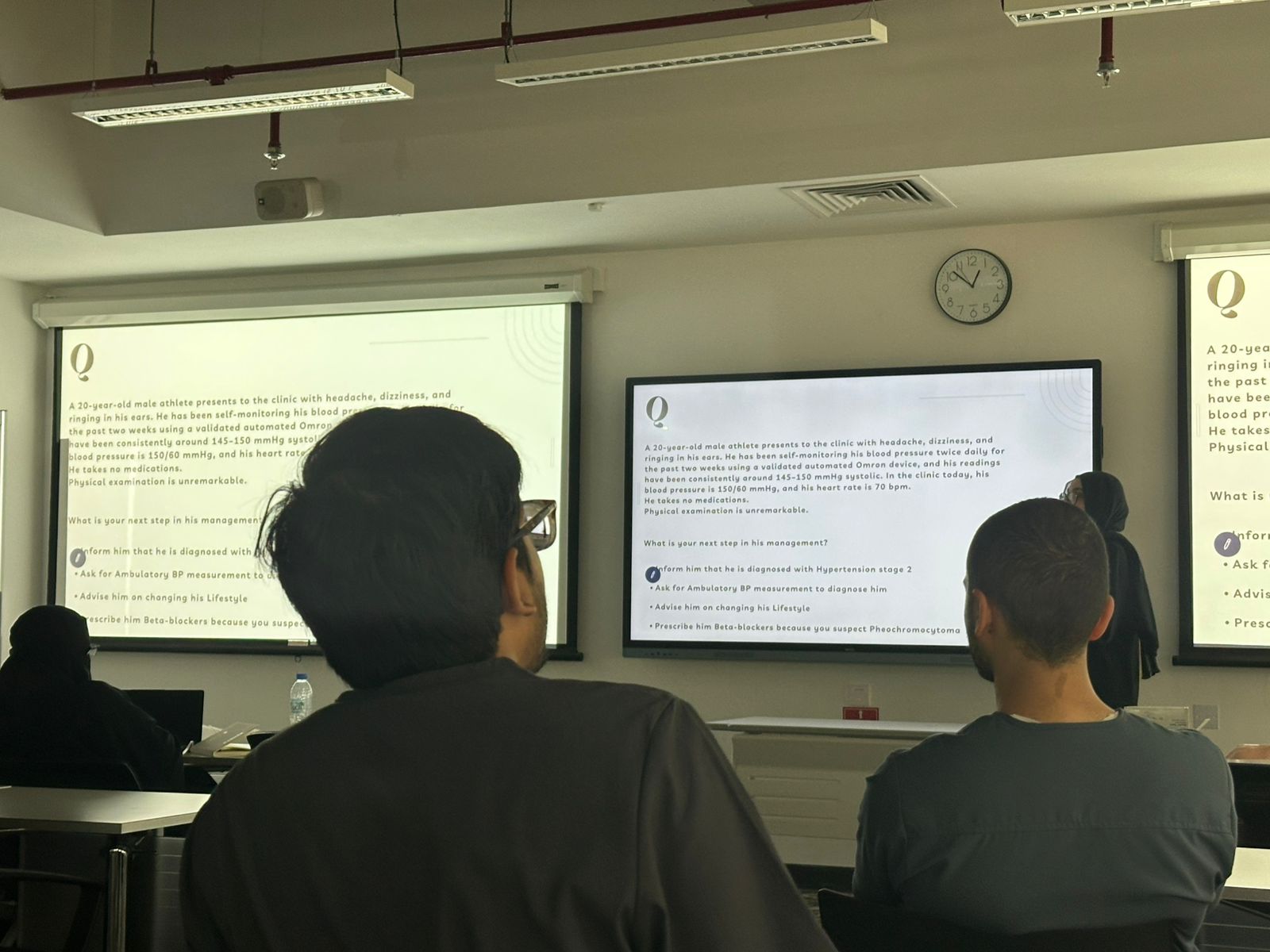
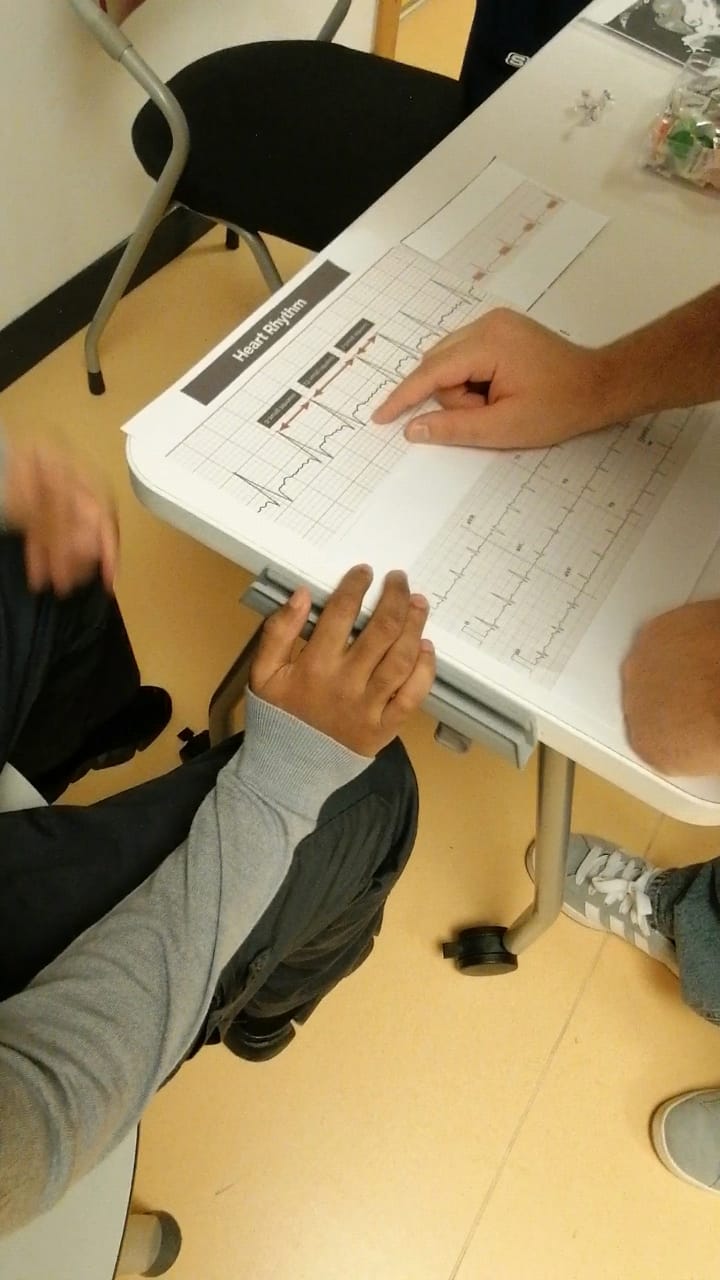
Students learned the full process. That means proper cuff selection, correct positioning, and interpreting readings across different scenarios. On the IV side, they practiced aseptic preparation, needle insertion, and securement. But the workshop didn't stop at technique. Realistic patient simulations pushed students to think on their feet, building situational judgment, prioritization, and rapid decision-making. As patient conditions changed, students adapted their approaches, anticipated complications, and strengthened their clinical reasoning.
The workshop was supervised by Dr. Zaw Hein, Assistant Professor at the College of Medicine, along with clinical instructors. Final-year medical students also played a key role, offering peer-assisted learning and step-by-step guidance. This setup gave students a safe, supportive environment to practice. With that in place, students moved to structured hands-on stations where they could immediately apply what they had learned under expert watch. For blood pressure, students used manual aneroid sphygmomanometers and stethoscopes, taking readings on peers to perfect their technique and interpretation. For IV cannulation, they practiced on simulation manikins and artificial training arms, repeating steps until they gained confidence, all without patient risk.
Beyond the technical side, the workshop focused on the human side of healthcare. Instructors emphasized empathy, clear communication, and professionalism. Students learned to listen actively, explain procedures simply, and respond to patient concerns with sensitivity. Teamwork, patient privacy, ethical responsibility, and staying calm under pressure were also reinforced because those are just as essential as any clinical skill.
While mastery of these skills requires years of repetition, this workshop provided the essential first step. Participants walked away with a more disciplined understanding of clinical procedures and the foundational confidence needed to begin their transition into hospital rotations. By prioritizing these core competencies now, the Cardiology Club is ensuring students are better prepared for the steep learning curve of real-world clinical environments.