The Neurology Student Club: Turning Understanding into Action for Epilepsy
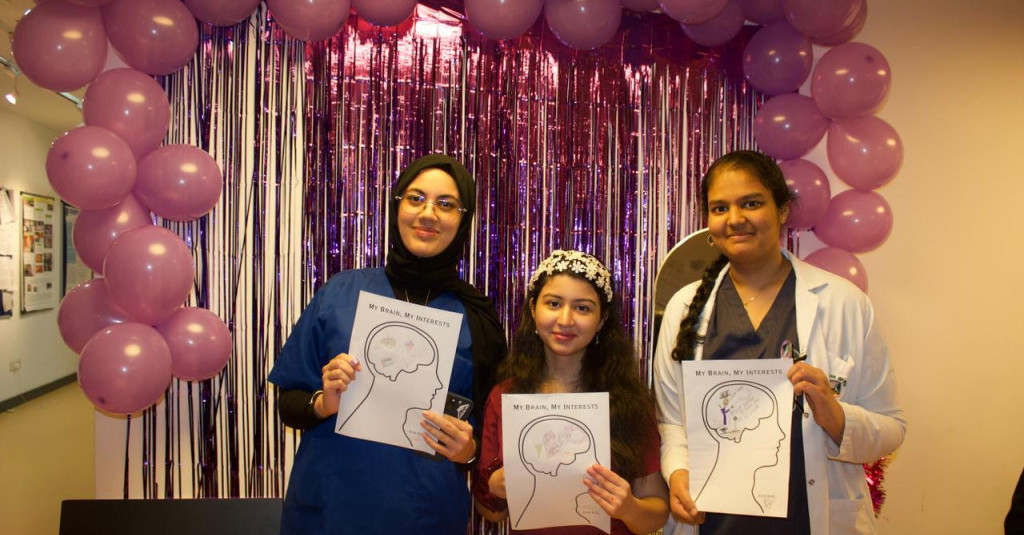
The Neurology Club hosted a community-focused session in recognition of Epilepsy Awareness Month. The goal was clear, to elevate public understanding of epilepsy by equipping people with practical knowledge, reducing stigma, and strengthening community support.
Epilepsy is one of the world's most common neurological disorders, yet it remains one of the most misunderstood. At its core, epilepsy is a condition of the brain that causes recurring, unprovoked seizures. A seizure is essentially a short circuit—a sudden, temporary burst of electrical activity that disrupts how messages are sent between brain cells. Awareness is the primary tool we have to replace fear with informed support.
The workshop centered on three core areas designed to equip participants with both practical knowledge and empathy. First, seizure recognition helped bystanders respond quickly and calmly by understanding what seizures look like, their common variations, and how to tell the difference between emergency and non-emergency situations. That understanding is a critical factor in ensuring safety. Second, first-aid responses were simplified into clear, actionable steps: clearing the surrounding area, timing the seizure, avoiding restraint, and seeking medical assistance when necessary. Third, the session addressed the importance of reducing stigma by sharing personal stories, debunking misconceptions, and promoting respectful, inclusive language. This encourages a more supportive and informed approach to discussing and managing epilepsy.
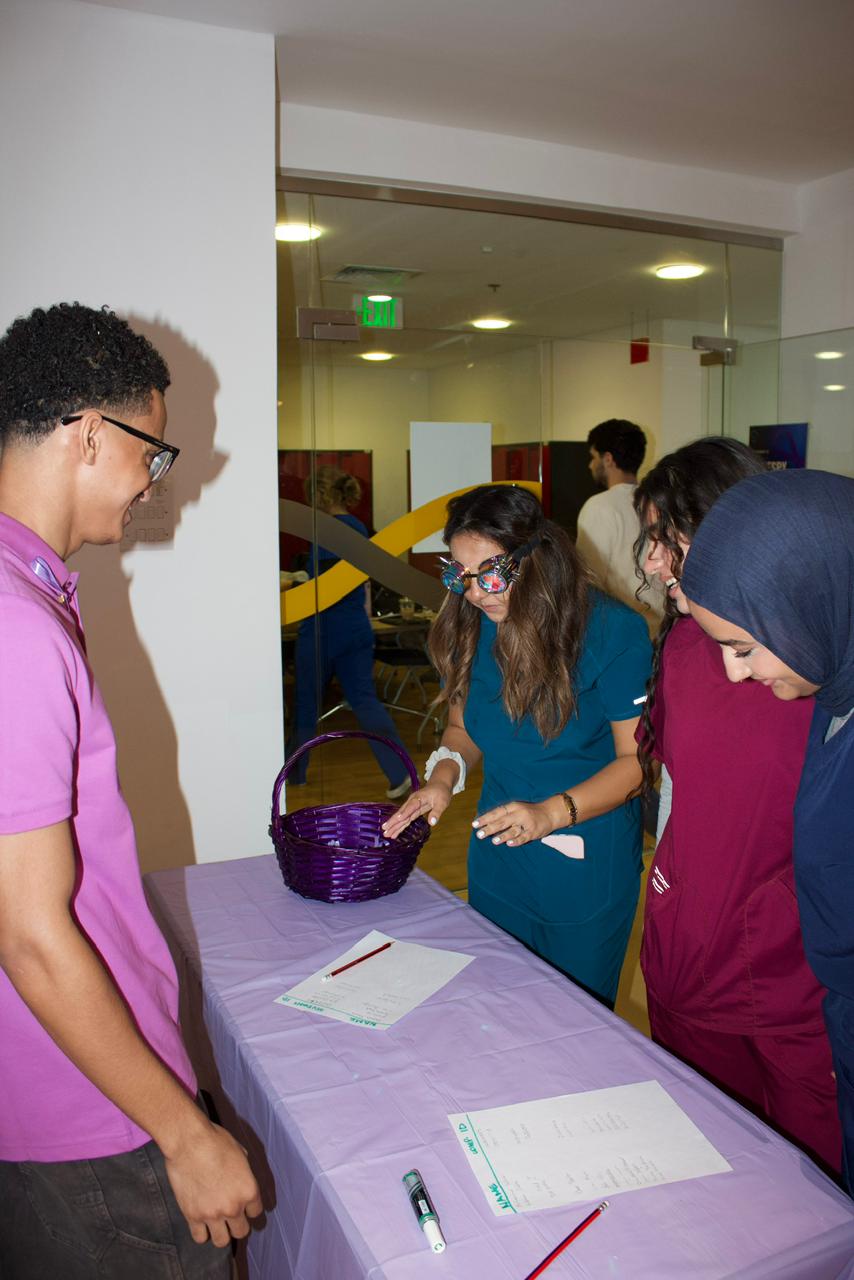
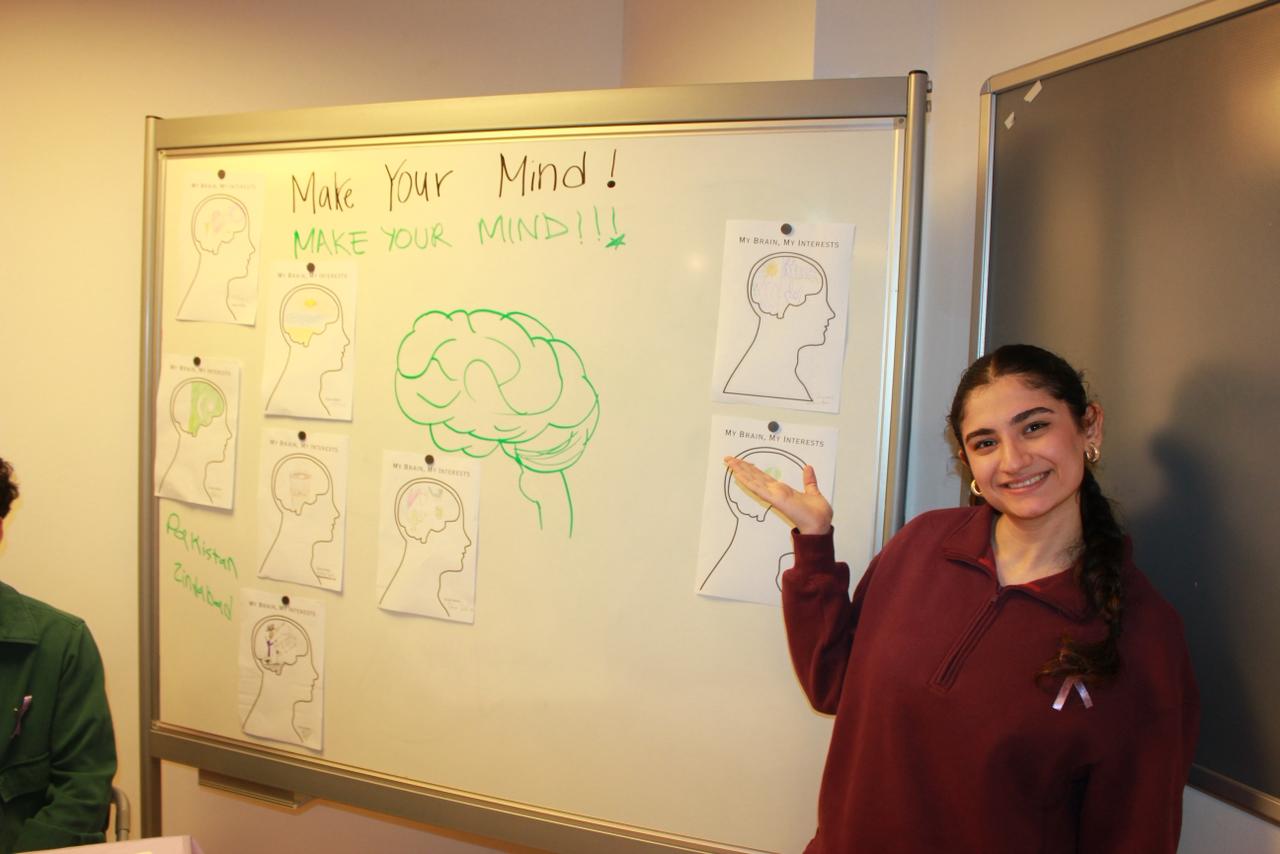
The session used interactive discussions and engaging awareness booths to translate knowledge into confident action. Participants practiced recognizing signs, walked through step-by-step response scenarios, and explored local resources for support and education. The hands-on approach ensured information was not just theoretical but readily applicable in real-life situations.
The impact was tangible. Attendees left with practical skills to handle emergencies, a better understanding of epilepsy’s diverse manifestations, and a heightened sense of responsibility toward anyone affected by the condition. More than just awareness, the program fostered empathy and inclusivity, encouraging people to support friends, classmates, or colleagues who live with epilepsy.