A Technical Roadmap To Academic Publishing In AI & CS: A Workshop by the IT and Google Developer Clubs
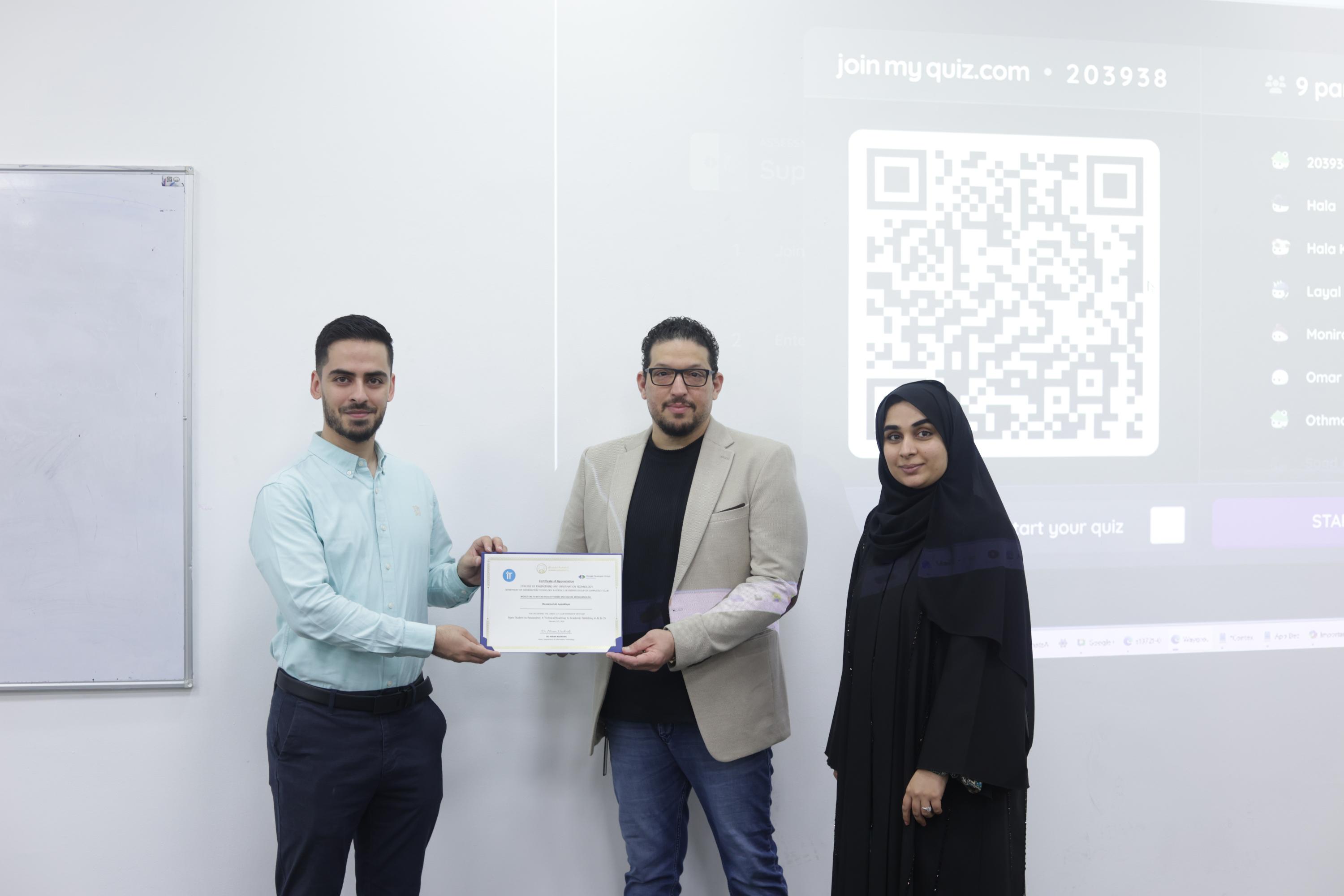
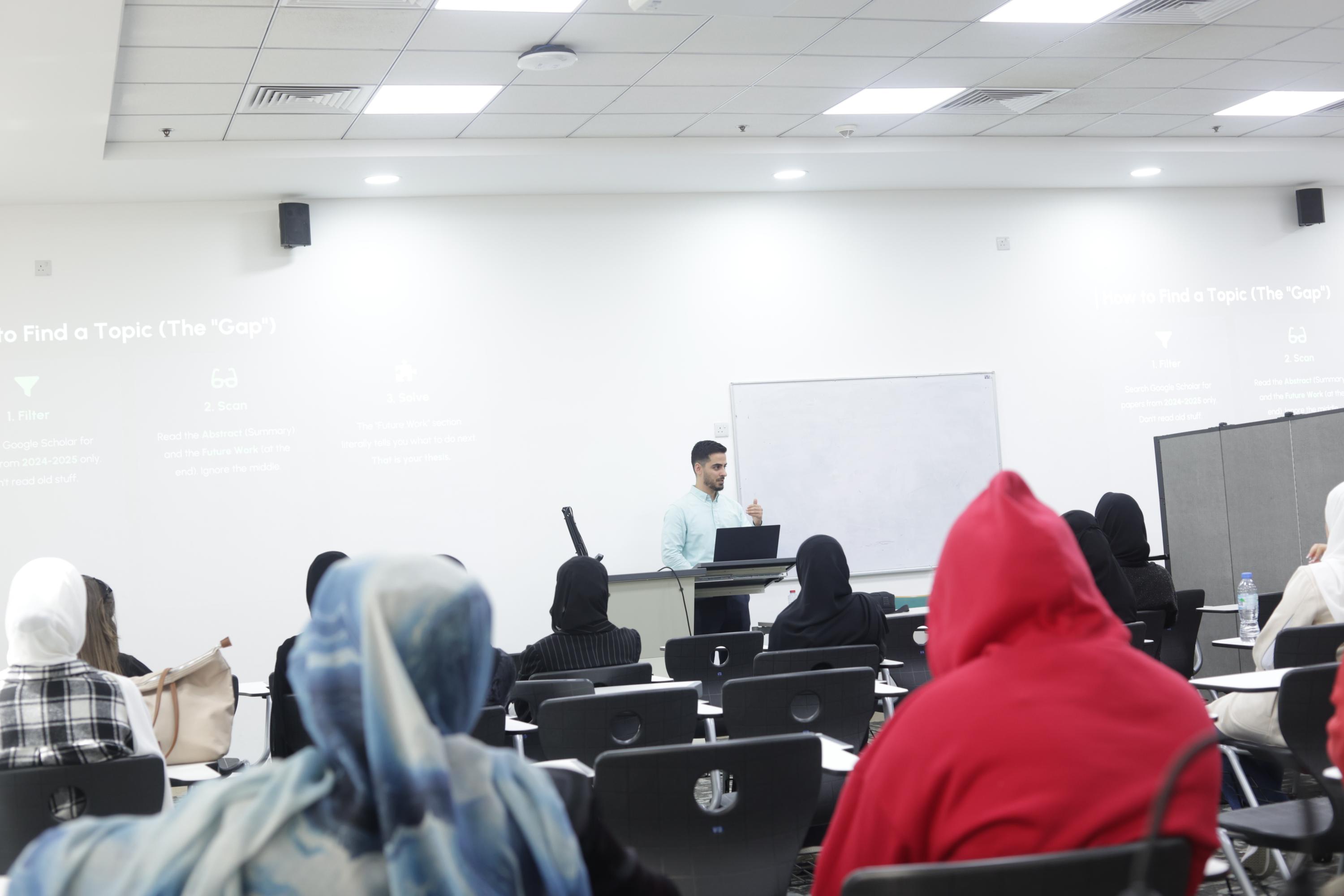
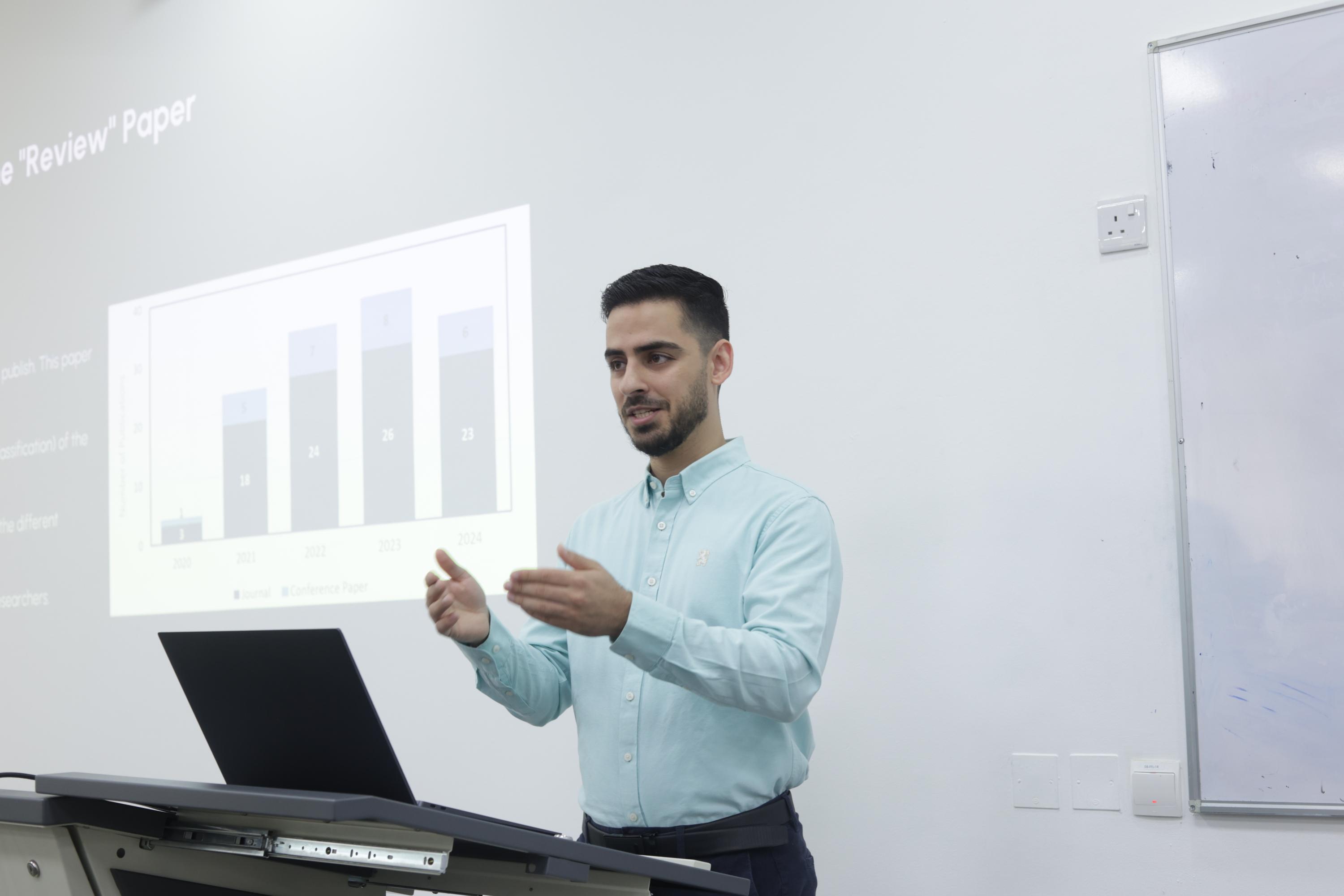
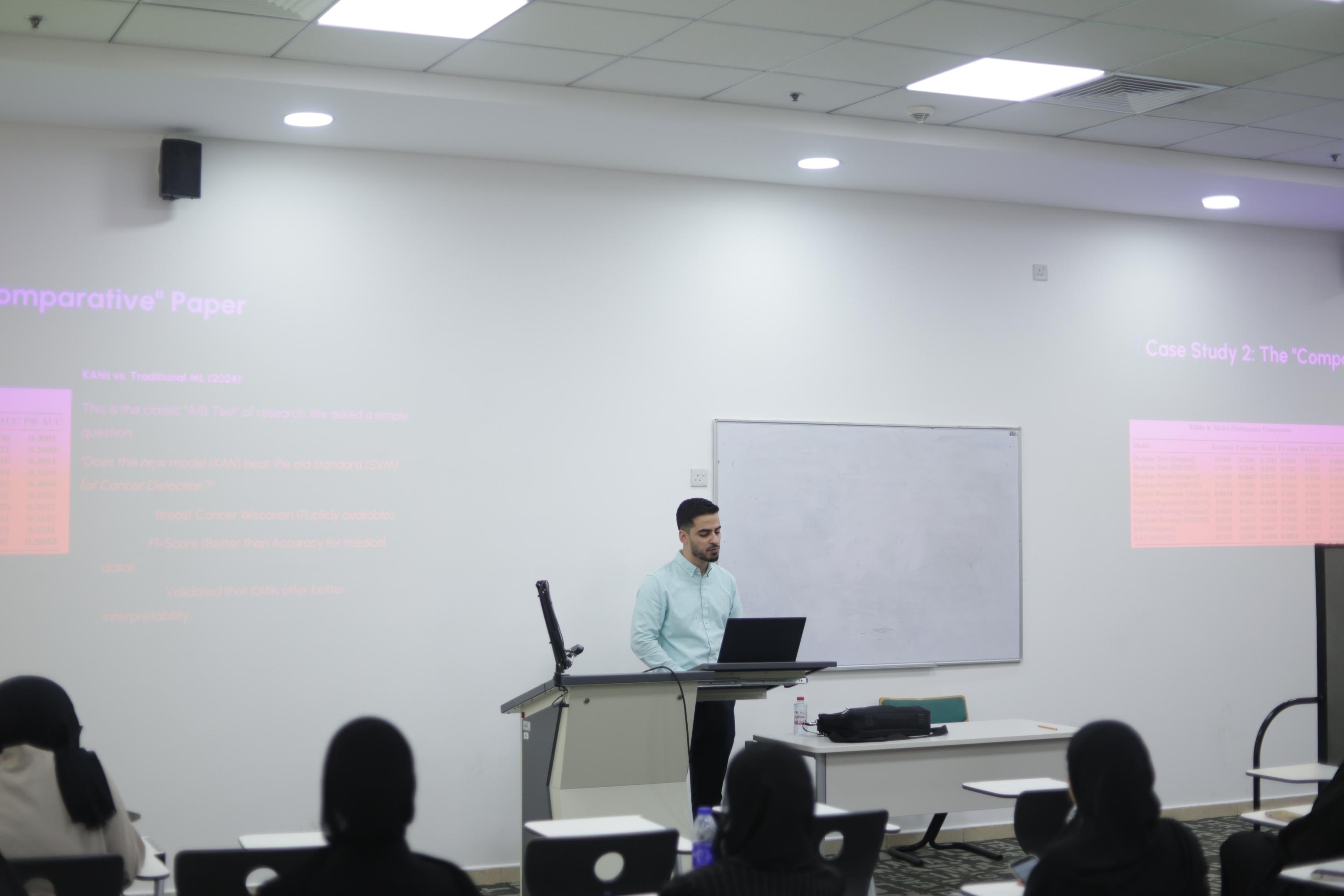
The IT Club, in collaboration with the Google Developer Club, recently delivered a one-hour Academic Research workshop in Hall C132. Guided by club advisors Eng. Ibrahim Fawzy and Ms. Mahganj Durra, both Assistant Instructors, and led by AI Master's student Haseeb Juma, the session was designed to give students a clear, practical roadmap for conducting and publishing research in Artificial Intelligence and Computer Science.
Many undergraduate students assume academic research is only for advanced researchers. This workshop was built to challenge that idea. It showed that with the right methodology, tools, and guidance, undergraduate students can engage in meaningful research. The session focused on what students struggle with most: how to start. That includes identifying research problems, understanding research workflows, structuring experiments, and navigating the academic publishing process. Attendees also had limited exposure to essential research tools and platforms, so the workshop introduced those as well.
Participants walked away with a strong research mindset, learning to think critically and frame questions relevant to both academia and industry. They discovered how to identify meaningful research gaps that can lead to publishable work and gained clarity on the structure of conference and journal papers. The workshop also offered practical guidance on conducting efficient literature reviews, selecting credible sources, and synthesizing findings. Students explored how to design experimental workflows, work with datasets, and perform comparative analyses to validate results. They were also introduced to LaTeX and Overleaf to support professional, publication-ready work.
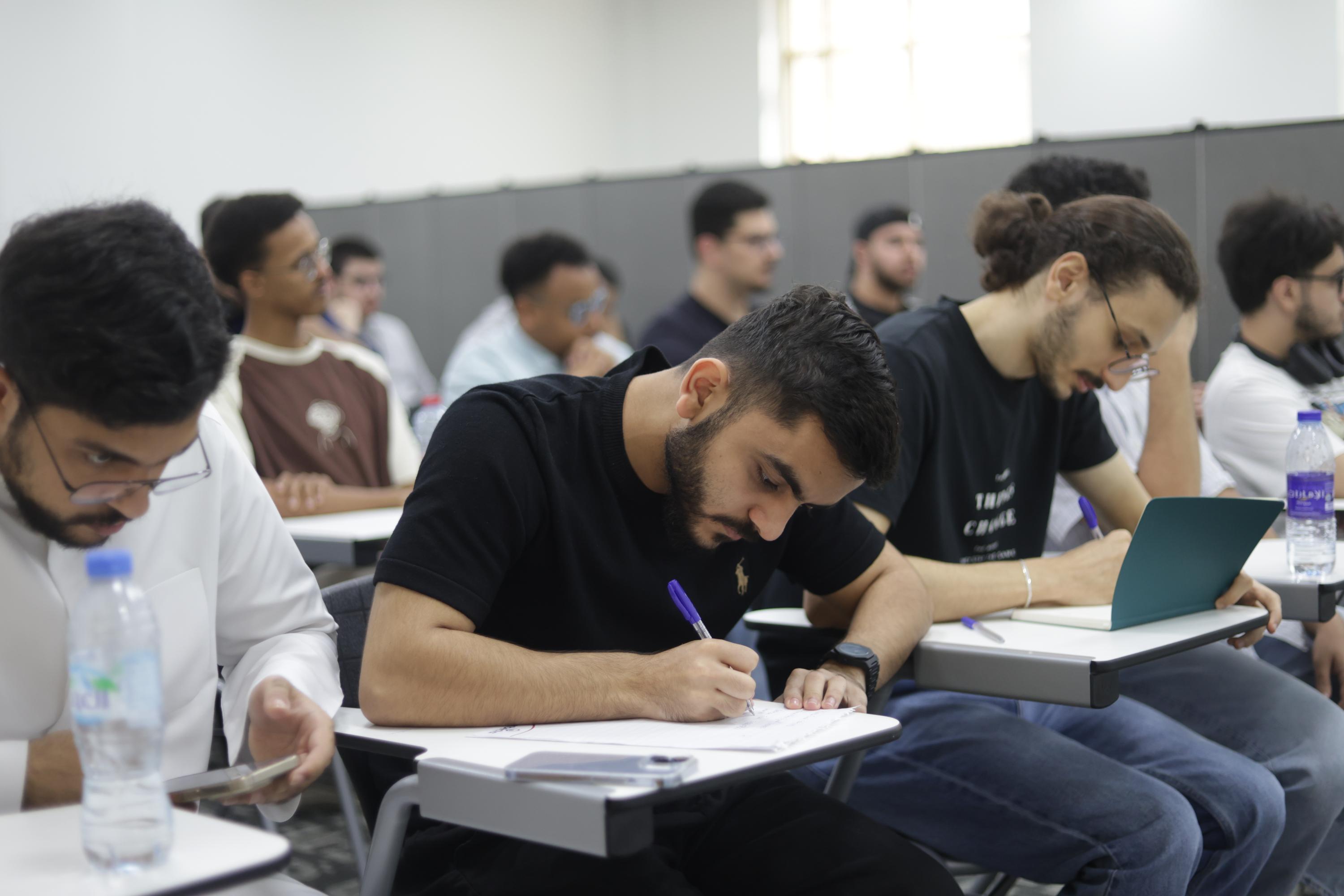
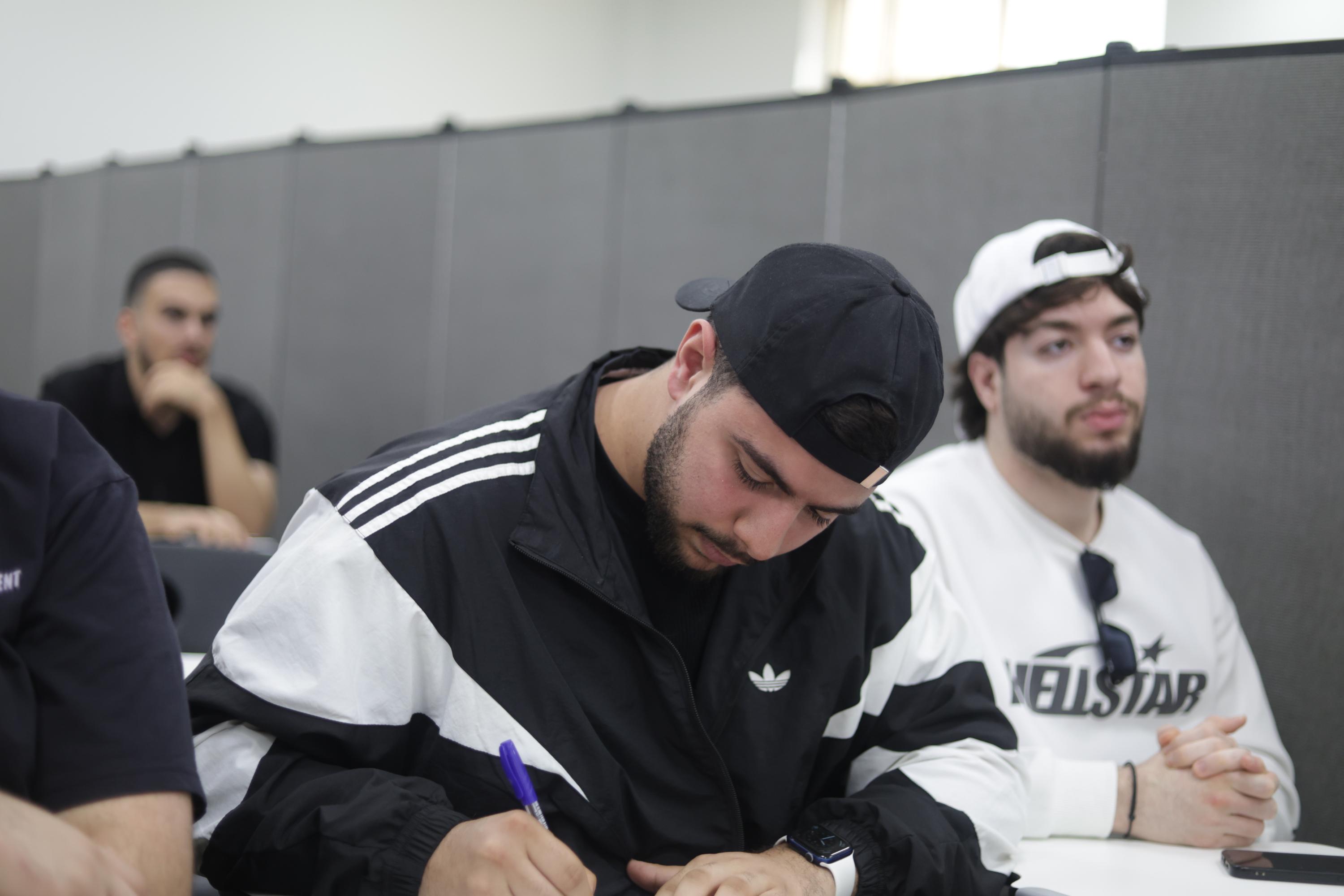
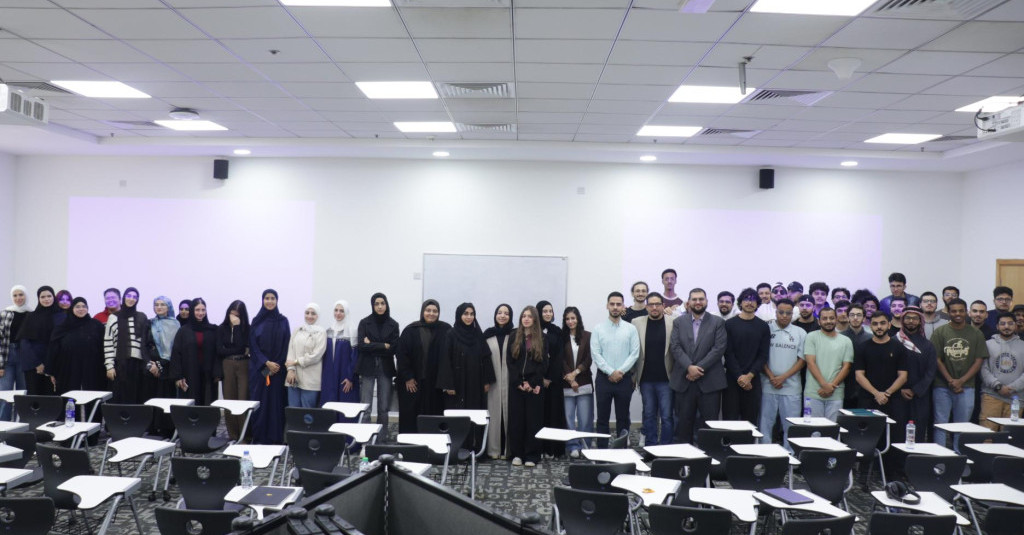
The workshop was attended by 40 students, primarily undergraduates in Computer Science, IT, and Engineering—fields where these skills are directly applicable. By combining industry-aligned guidance with academic rigor, the session equipped students to contribute meaningfully to AI research and related fields. It also highlighted the power of collaboration between student clubs, faculty advisors, and the broader university community.