Ajman University’s Immunity and Infectious Diseases Club Brings Health Awareness Program to Children at Dar Al Ber Society
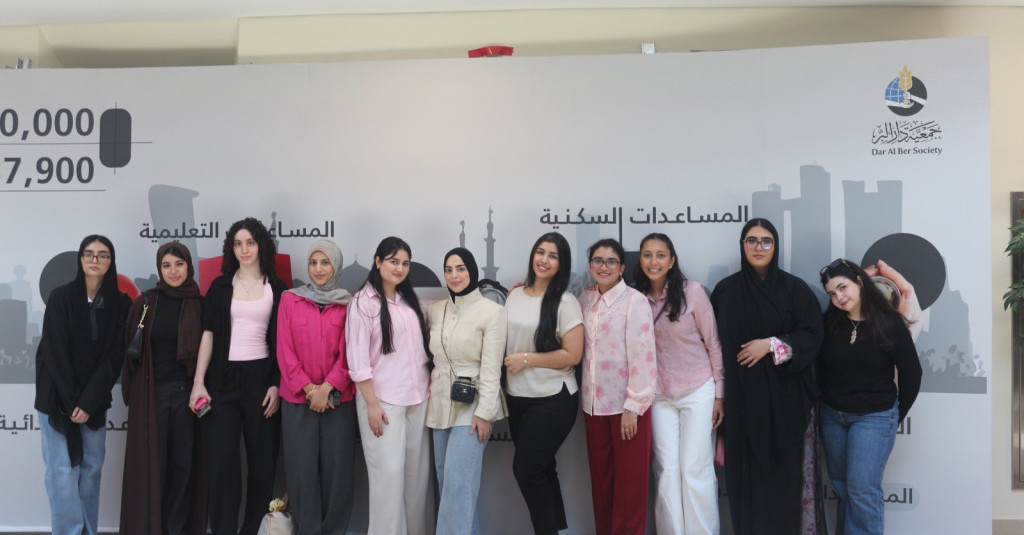
Ajman University's Immunity and Infectious Diseases Club, under the Office of Student Life, brought health education directly to children in need, organizing a community outreach program at Dar Al Ber Society. Targeting orphan children between the ages of 8 and 15, the Healthy Mind, Healthy Body initiative addressed three areas that shape long-term wellbeing but are rarely taught together — stress management, personal hygiene, and addiction awareness, delivering them in a way that was accessible, engaging, and age-appropriate.
Growing up without consistent guidance on mental and physical health leaves children without the tools to make informed decisions about their own wellbeing. For this age group in particular, early education on stress, hygiene, and the risks of addiction can establish habits and awareness that carry well into adulthood. The program set out to fill that gap through direct engagement and hands-on learning rather than passive instruction.
Club President Hurairah Faatimah Muzammil led the session, guiding children through an interactive talk that connected mental and physical health in practical, relatable terms. Rather than lecturing, she invited questions, shared actionable tips, and created an environment where children felt comfortable engaging openly. The goal was not just awareness but confidence, giving children the language and understanding to make healthier choices in their daily lives.
Activities reinforced the session's core messages in ways the children could actively participate in such as Jeopardy, Medical Relay, and Medical Mystery. The combination of games and gift giving kept participants engaged while ensuring the lessons landed beyond the surface level, creating a memorable experience filled with learning, laughter, encouragement, and compassion. For the student organizers, the program was as much a learning experience as it was a service one. Leading health education for a young and vulnerable audience demanded clarity, empathy, and the ability to adapt on the spot — skills that extend well beyond any academic setting.
The initiative demonstrated what becomes possible when student-led outreach is built around genuine community need. Children left with greater awareness, practical habits, and a sense that their health matters. For Ajman University, it was a reaffirmation that education does not end at the campus gate, it carries furthest when it reaches those who need it most.