Your Brain on Scroll: AU Neurology Club Brings Neuroscience to Ajman High Schoolers
Ajman University students helped Grade 10 and 11 learners at Al Shola Private School understand what social media does to the brain and how to take back control of their screen time.
Every swipe, like and notification sends a small signal through the brain's reward system. For a room of high school students in Ajman, learning how that signal works was the first step toward using their phones on their own terms.
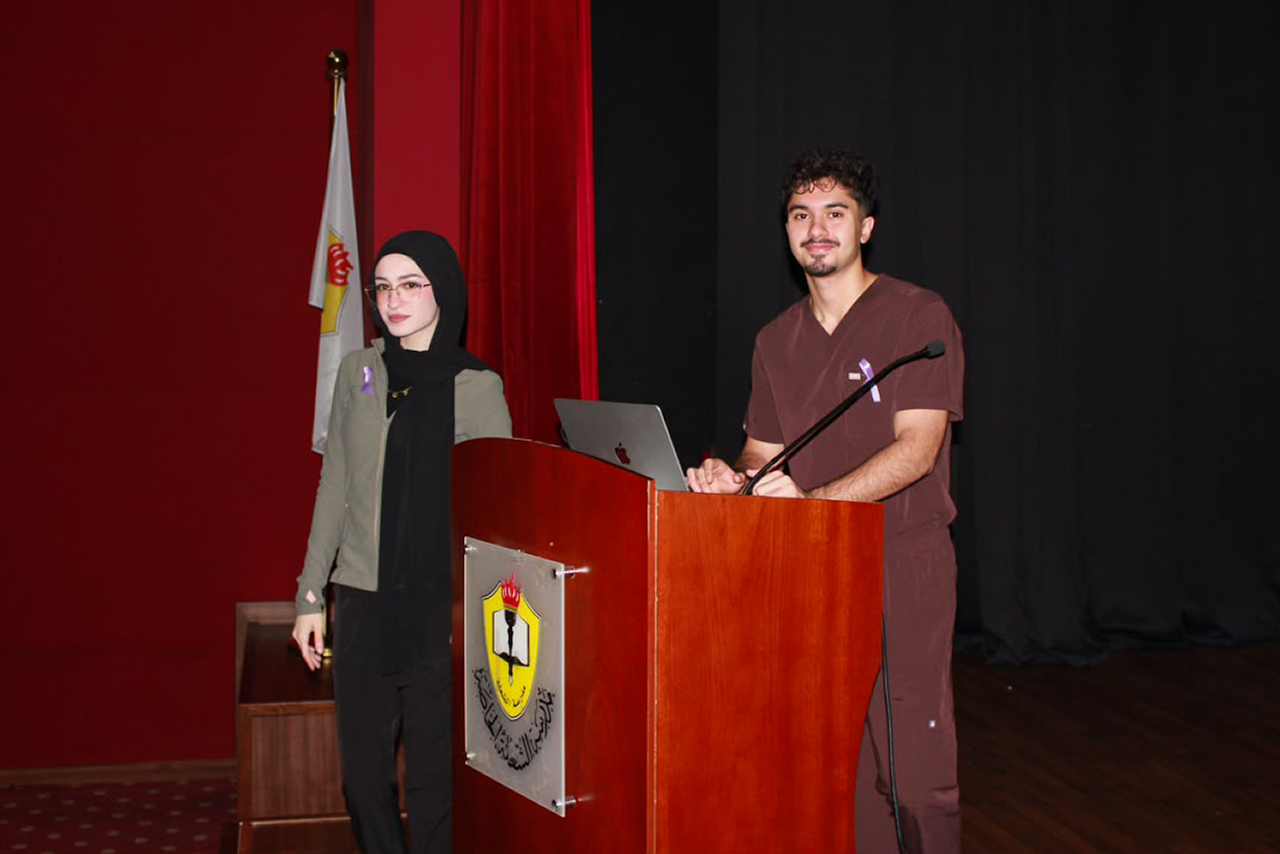
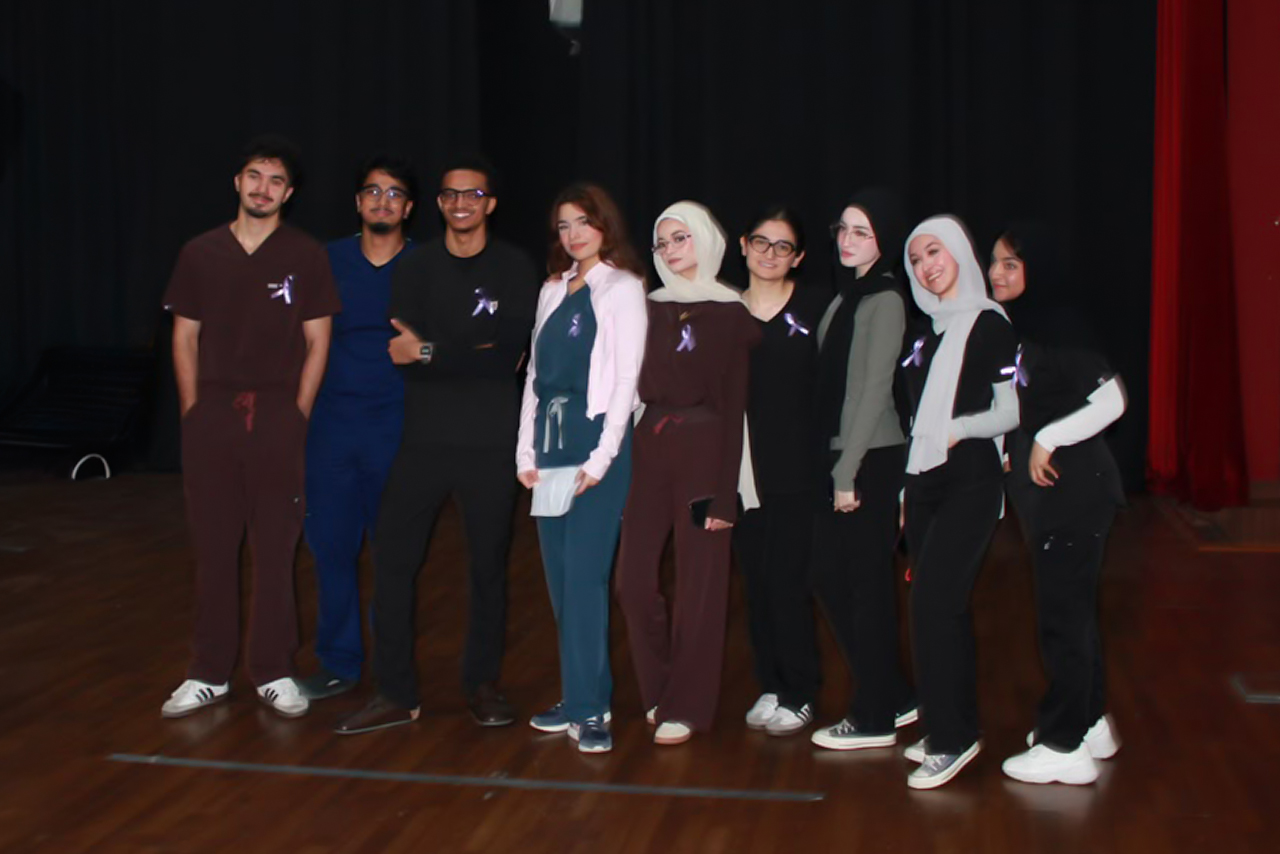
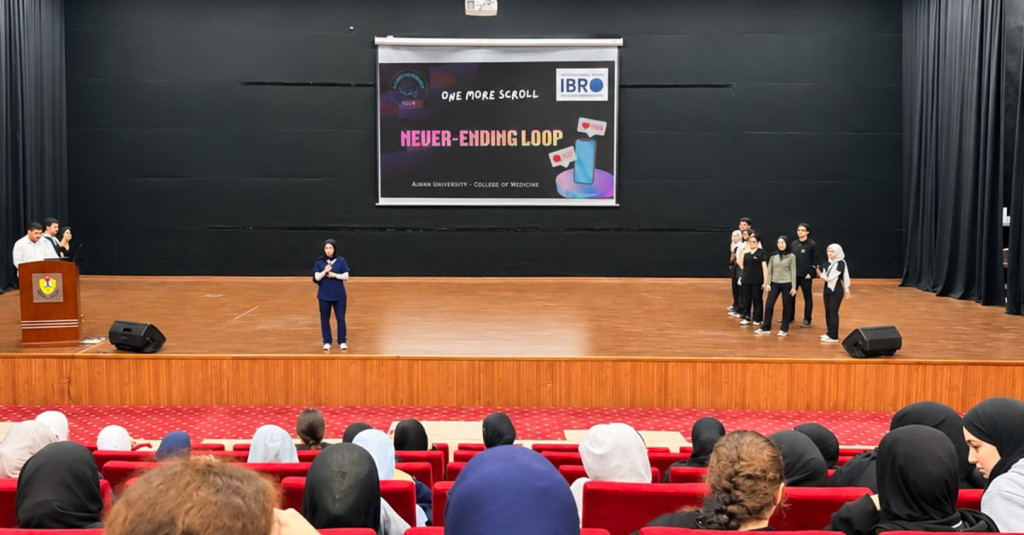
On November 5, 2026, the Ajman University (AU) Neurology Club visited Al Shola Private School to deliver “Your Brain on Scroll!”, an interactive outreach session for Grade 10 and 11 students. The visit was part of “Brain Awareness Week: Inspiring Young Minds,” supported by an IBRO/Dana Brain Awareness Week grant.
The session dealt with something students live with every day. Club members explained how dopamine drives the brain's reward system, why the urge to keep scrolling can be so hard to resist, and how doom scrolling and constant notifications affect attention. Instead of lecturing, they used discussions, hands-on activities and everyday examples, so students could see the science playing out in their own habits, from losing focus while studying to feeling drained after an hour online.
The conversation then moved from understanding to action. Students left with practical strategies for healthier technology use: managing screen time, building in regular digital breaks and keeping a better balance between life online and off.
For the AU students leading the session, the visit put their classroom knowledge to work in the community. Explaining complex neuroscience to teenagers meant turning research into language that connects, a skill that will matter wherever their careers take them.
For the students at Al Shola, the takeaway was more personal. They now understand why their phones feel so hard to put down, and that gives them the tools to make more informed choices. Some may also have discovered a new curiosity about the brain itself.
Through initiatives like this, AU students are helping the next generation think more critically about the technology that shapes their days, and making neuroscience part of everyday life.