Importance of Practical Training in Pharmacy Education
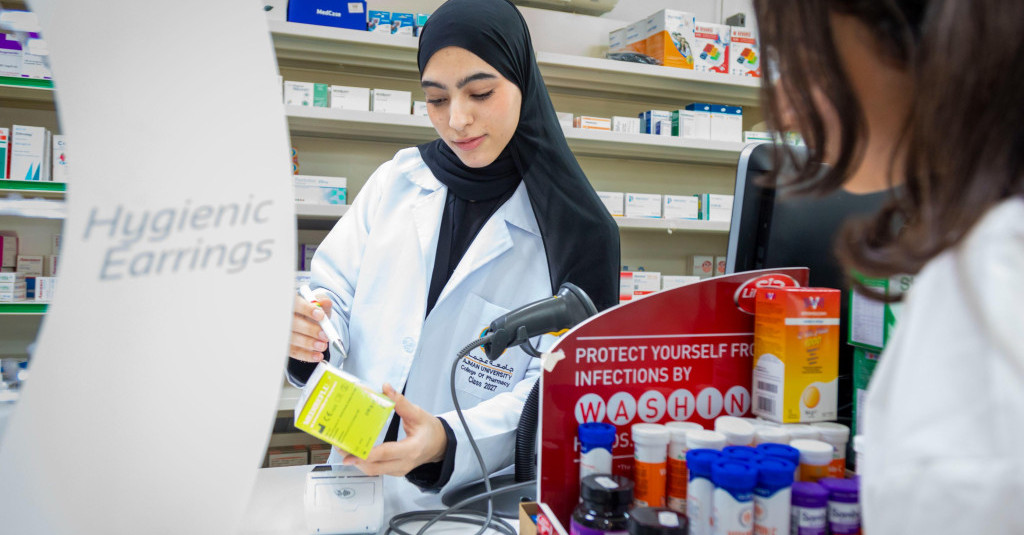
Pharmacists today do much more than dispense medicines. They guide patients, support doctors, and help improve overall healthcare outcomes. This changing role makes strong practical exposure very important. Learning theory alone is not enough in modern pharmacy education. Students need hands-on experience to understand how medicines are prepared, tested, and used safely. Practical learning helps bridge the gap between textbooks and real patient care. The Bachelor of Pharmacy program at Ajman University focuses on both academic knowledge and real-world training. This balanced approach prepares students for the demands of today’s pharmacy profession.
Understanding Pharmacy Education Today
Pharmacy education has evolved to match the needs of healthcare systems. Students are expected to understand drug action, patient safety, and ethical practice. A modern pharmacy course combines classroom learning with laboratory and clinical exposure. This helps students understand how medicines affect the human body. It also teaches them how pharmacists support treatment plans. Pharmacy studies today aim to develop both scientific knowledge and professional responsibility.
What Is Practical Training in BPharm?
Practical training in BPharm refers to hands-on learning done in labs, hospitals, and pharmacy settings. Students learn how to prepare medicines, analyze drug quality, and follow safety standards. They also observe how pharmacists interact with patients and healthcare teams. This training allows students to apply what they learn in class. It helps them understand real working conditions in the pharmacy field.
Why Practical Training Is Important in Pharmacy Studies
Practical training plays a key role in building confidence and competence. It helps students understand how theoretical concepts work in real situations. Through practice, students learn accuracy, discipline, and attention to detail. They also become familiar with professional tools and procedures. This experience prepares them to handle responsibilities after graduation. Without practical exposure, pharmacy studies remain incomplete.
Key Benefits of Practical Training in a Pharmacy Course
- Improves understanding of drug formulation and testing
- Builds confidence in handling medicines and equipment
- Develops problem-solving and decision-making skills
- Enhances communication with patients and healthcare teams
- Prepares students for real workplace challenges
Career Scope After BPharm with Practical Training
- Community and Hospital Pharmacist: Graduates can work directly with patients in retail or hospital settings. They help dispense medicines, guide patients on dosage, and support doctors in treatment plans.
- Pharmaceutical Manufacturing and Quality Control: This role focuses on medicine production and safety. Professionals ensure drugs are manufactured correctly and meet required quality standards before reaching the market.
- Clinical Research and Drug Safety: Graduates can support clinical trials and monitor how medicines perform in real patients. This role helps improve drug safety and effectiveness over time.
- Regulatory Affairs and Healthcare Organizations: These professionals ensure medicines follow legal and safety guidelines. They work with regulatory bodies and healthcare institutions to maintain compliance.
- Higher Studies and Pharmacy Specialization: Graduates can pursue advanced degrees or specialized fields. This helps build expertise and opens doors to academic, research, or leadership roles in pharmacy.
How Ajman University Integrates Practical Training in BPharm
Ajman University offers a well-structured Bachelor of Pharmacy program that includes strong practical exposure. Students receive training through modern laboratories and supervised practice sessions. The program covers pharmaceutical sciences, clinical pharmacy, and professional skills. Practical sessions are aligned with academic subjects to ensure better understanding. This approach helps students gain industry-relevant skills while completing their degree.
Ajman University provides a balanced learning environment that values both theory and practice. Its BPharm program is designed to prepare students for real healthcare roles. With structured practical training and academic support, students gain the skills needed for a successful pharmacy career. This makes Ajman University a strong choice for those planning to enter the pharmacy profession.
FAQs
- Why is practical training important in pharmacy education?
Practical training helps students apply classroom knowledge to real situations. It builds confidence, accuracy, and professional skills needed in pharmacy practice. - How does practical training enhance pharmacy studies?
Practical training improves understanding of medicines, patient care, and safety standards. Students learn how pharmacies and healthcare systems function in real life. - What skills do students gain from practical training in BPharm?
Students gain technical skills, communication ability, problem-solving skills, and professional discipline through hands-on learning.