How Medical Education Is Adapting to Technology and AI
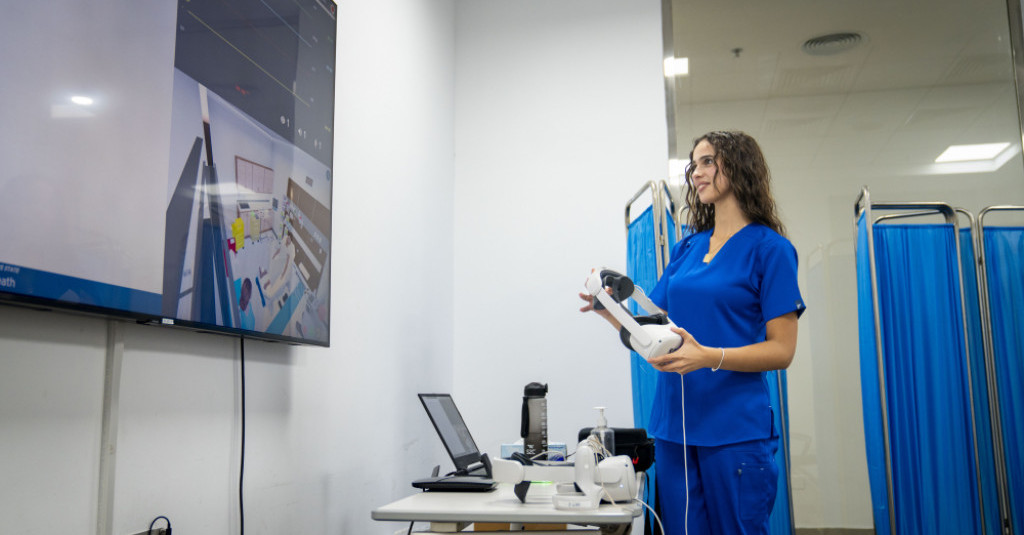
Medical school isn't what it used to be. Gone are the days when future doctors relied solely on textbooks and lectures. Today, AI in medical education is transforming how you learn, practice, and prepare for real-world healthcare challenges.
The shift is dramatic and exciting. Technology has moved from a supplementary tool to a central part of how medical students master complex concepts, practice procedures, and develop critical thinking skills. Virtual patients respond to your treatment decisions. AI systems analyze your diagnostic accuracy. Digital platforms adapt learning to your individual pace and style.
This evolution in medical education technology prepares you for a healthcare landscape where digital tools and artificial intelligence are everyday realities. Whether you're a high school graduate exploring medical careers or a professional advancing your healthcare credentials, understanding how technology in healthcare education is reshaping medical training helps you make informed decisions about your future. The question isn't whether to embrace this change, but how to leverage it for your success.
The Rise of Technology in Medical Education
Technology in medical education has evolved from simple digital presentations to comprehensive learning ecosystems that fundamentally change how healthcare knowledge is acquired and applied.
- What medical education technology actually means: It's the integration of digital tools, platforms, and systems that enhance how you learn medical concepts, practice clinical skills, and prepare for patient care.
- Why it matters in modern healthcare education: The healthcare field itself is increasingly digital. Electronic health records, telemedicine, AI diagnostics, and robotic surgery are standard in modern hospitals.
- The practical impact on your learning experience: Technology makes complex concepts visual and interactive. Instead of memorizing anatomy from a diagram, you can explore 3D models.
- Breaking down geographical and time barriers: Digital platforms mean you can access world-class medical lectures from leading experts regardless of where you study.
- Building skills for tomorrow's healthcare: When you graduate, you'll work alongside AI diagnostic tools and use sophisticated medical technology daily.
Key Focus Areas in Technology-Driven Medical Education
Modern medical programs are reorganizing around digital-first learning approaches that give you flexibility, personalization, and depth that traditional classroom-only education cannot match.
- E-learning platforms, virtual classrooms, and Learning Management Systems (LMS): These aren't just video lectures uploaded online. Modern platforms track your progress, identify weak areas, suggest relevant resources, and create personalized study paths. You learn at your own pace while still meeting program milestones.
- Digital tools for assessments, collaboration, and remote learning: Take exams that adapt to your performance level. Collaborate with classmates on virtual patient cases. Attend live clinical discussions from anywhere. Technology makes medical education more accessible without compromising rigor or quality.
- Benefits of adopting technology in healthcare education: You get immediate feedback on practice tests. Access to vast medical libraries and research databases from your laptop. Opportunities to repeat complex procedures in simulation until mastery. Learning that fits your schedule, not just the institution's calendar.
- Real challenges worth acknowledging: Not all technology improves learning - some complicate it. Digital fatigue is real when everything moves online. Hands-on clinical skills still require physical practice. Technology should enhance human interaction in medicine, not replace it entirely.
- The balance that successful programs achieve: The best future of medical education combines technology's efficiency with traditional mentorship, virtual simulation with real patient interaction, and AI assistance with human judgment. You get the best of both approaches.
Artificial Intelligence in Healthcare Training
AI isn't science fiction in medical education anymore. It's actively shaping how you learn to diagnose, treat, and care for patients with precision and confidence.
- AI-powered personalized learning systems and intelligent tutoring: Imagine a study system that knows exactly which cardiology concepts you struggle with and adjusts your curriculum accordingly. AI tutors answer your questions 24/7, provide explanations tailored to your learning style, and never get tired of repeating difficult topics.
- Automated assessments, performance analytics, and predictive learning outcomes: AI analyzes patterns in your answers, identifies knowledge gaps before they become problems, and predicts which areas need extra attention. You get insights into your learning that help you study smarter, not just harder.
- AI-assisted diagnostic and clinical decision-making training: Practice diagnosing rare conditions you might not encounter during clinical rotations. Get immediate feedback on treatment decisions. Learn to interpret imaging studies with AI, highlighting potential abnormalities you might have missed.
- Virtual simulation in medical schools powered by AI: Perform virtual surgeries where AI patients respond realistically to your decisions. Practice emergency responses where AI generates unpredictable complications. Experience hundreds of clinical scenarios before ever touching a real patient, building confidence and competence simultaneously.
- Preparing for AI collaboration in professional practice: Future hospitals will extensively use artificial intelligence in healthcare training systems. Learning to work alongside AI tools during your education means you'll be comfortable leveraging them in practice, not intimidated or resistant to technologies that improve patient outcomes.
Career Impact and Skill Development
The medical professionals who thrive in the coming years won't just understand medicine - they'll seamlessly integrate technology and AI into patient care while maintaining the human touch that makes healthcare meaningful.
What this means for your career trajectory:
- How technology prepares you for future healthcare roles: Hospitals are actively seeking graduates comfortable with digital health education tools. Your ability to navigate electronic health systems, interpret AI-assisted diagnostics, and utilize telemedicine platforms makes you immediately valuable from your first day of residency.
- Development of skills in digital diagnostics: You'll learn to interpret AI-generated insights, validate algorithmic recommendations against clinical judgment, and use predictive analytics to identify at-risk patients.
- Mastering AI collaboration in clinical settings: Working with AI doesn't mean letting algorithms make decisions. It means understanding their suggestions, recognizing their limitations, knowing when to trust them and when to override them. This balanced approach to AI in creates better doctors, not technology-dependent ones.
- Healthcare analytics and data-driven decision making: Modern medicine increasingly relies on analyzing patient data patterns, population health trends, and treatment outcome statistics. Your technology-integrated education teaches you to interpret this data meaningfully and apply insights to individual patient care.
- The competitive advantage you gain: When two candidates have similar clinical knowledge, the one who is comfortable with technology, AI tools, and digital health platforms gets the position. Your medical education trends for 2026 preparation directly translate to career opportunities and advancement potential.
Medical education is undergoing its most significant transformation in generations. AI in medical education and advanced technology is enhancing it, making learning more personalized, practice safer, and preparation more comprehensive.
The future of medical education belongs to those who embrace these tools while maintaining the empathy, ethics, and critical thinking that define excellent healthcare. Whether you're starting your medical journey or advancing your expertise, choosing programs that thoughtfully integrate technology into healthcare education prepares you not just for today's medicine but for the evolving healthcare landscape of tomorrow. Your patients will ultimately benefit from your technology-enhanced training.
FAQs
What is the role of AI in medical education?
AI personalizes learning by adapting content to individual student needs, provides intelligent tutoring available 24/7, automates assessments with detailed performance analytics, and creates realistic virtual simulations for practicing clinical skills.
What are the major medical education trends for 2026?
Key trends include AI-powered personalized learning platforms, expanded virtual and augmented reality simulations, hybrid learning models combining online and hands-on training, increased emphasis on digital health literacy, AI-assisted diagnostic training, competency-based education using technology for skill assessment, and integration of telemedicine training.
How is technology transforming healthcare education?
Technology enables interactive 3D anatomy learning, virtual patient simulations, remote access to clinical case discussions, personalized study paths through AI, immediate feedback on assessments, and collaboration across geographical boundaries. It makes medical education more flexible, accessible, and aligned with modern healthcare practice.