Ajman University Hosts 9th Regional Workshop to Strengthen AI Capabilities Among Pharmacy Faculty
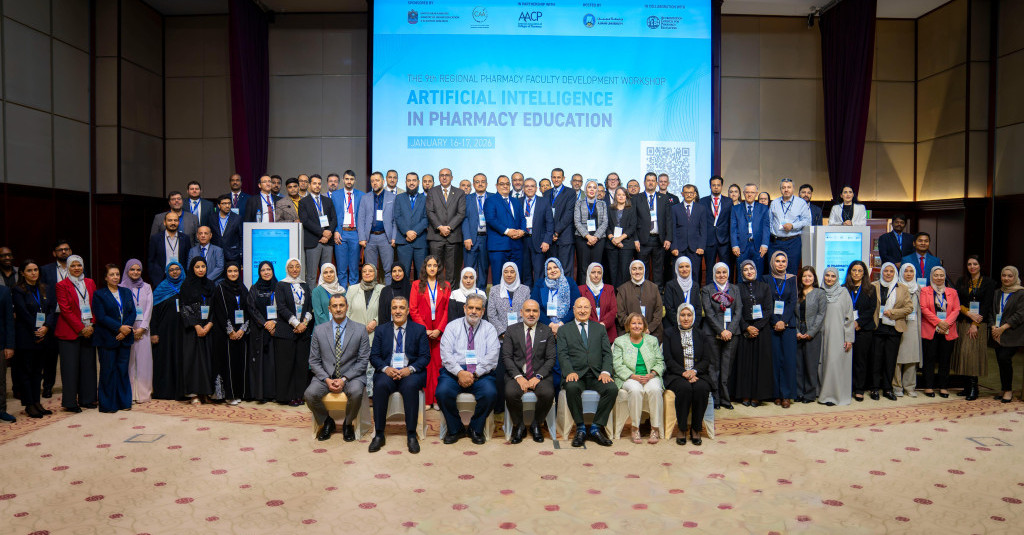
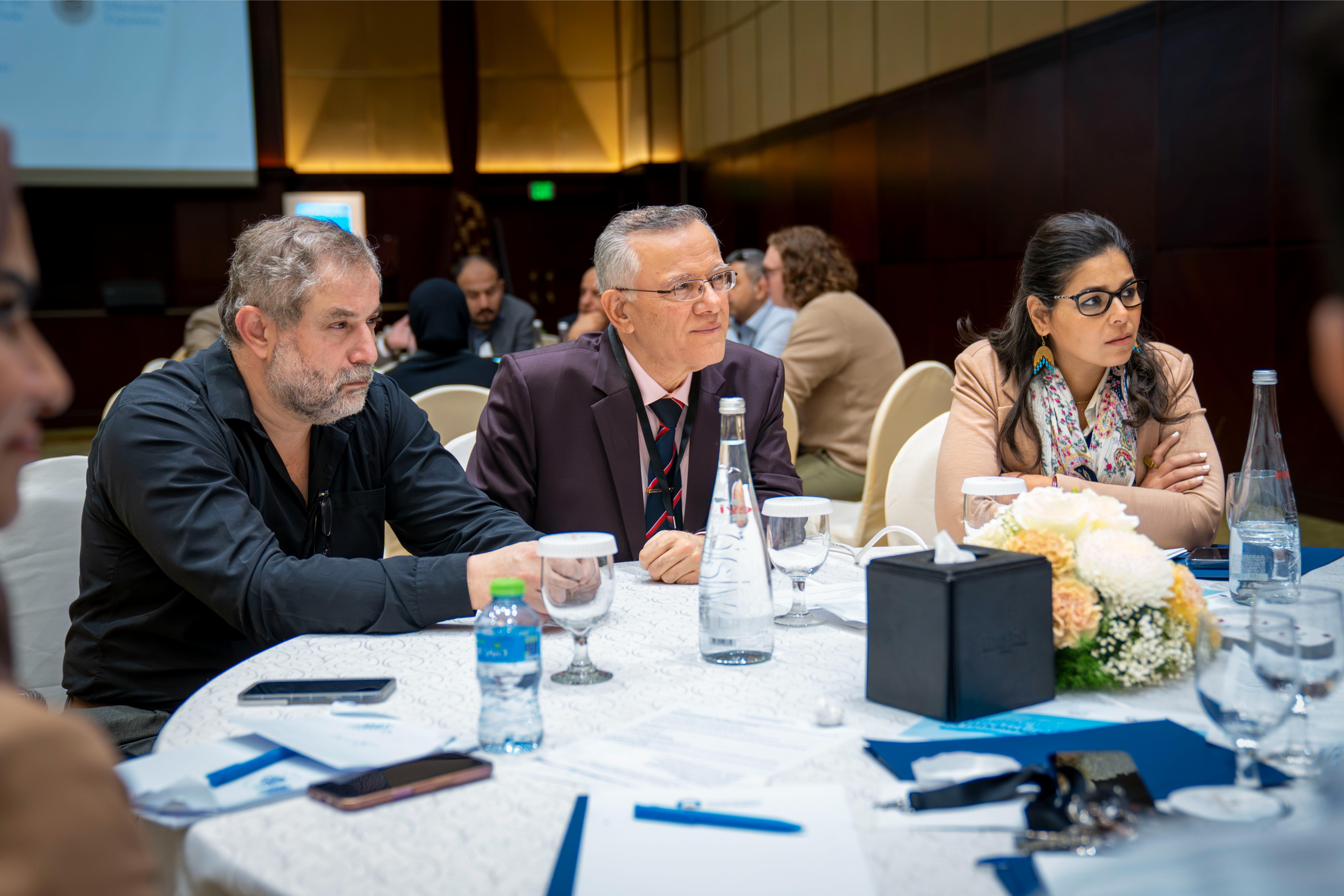
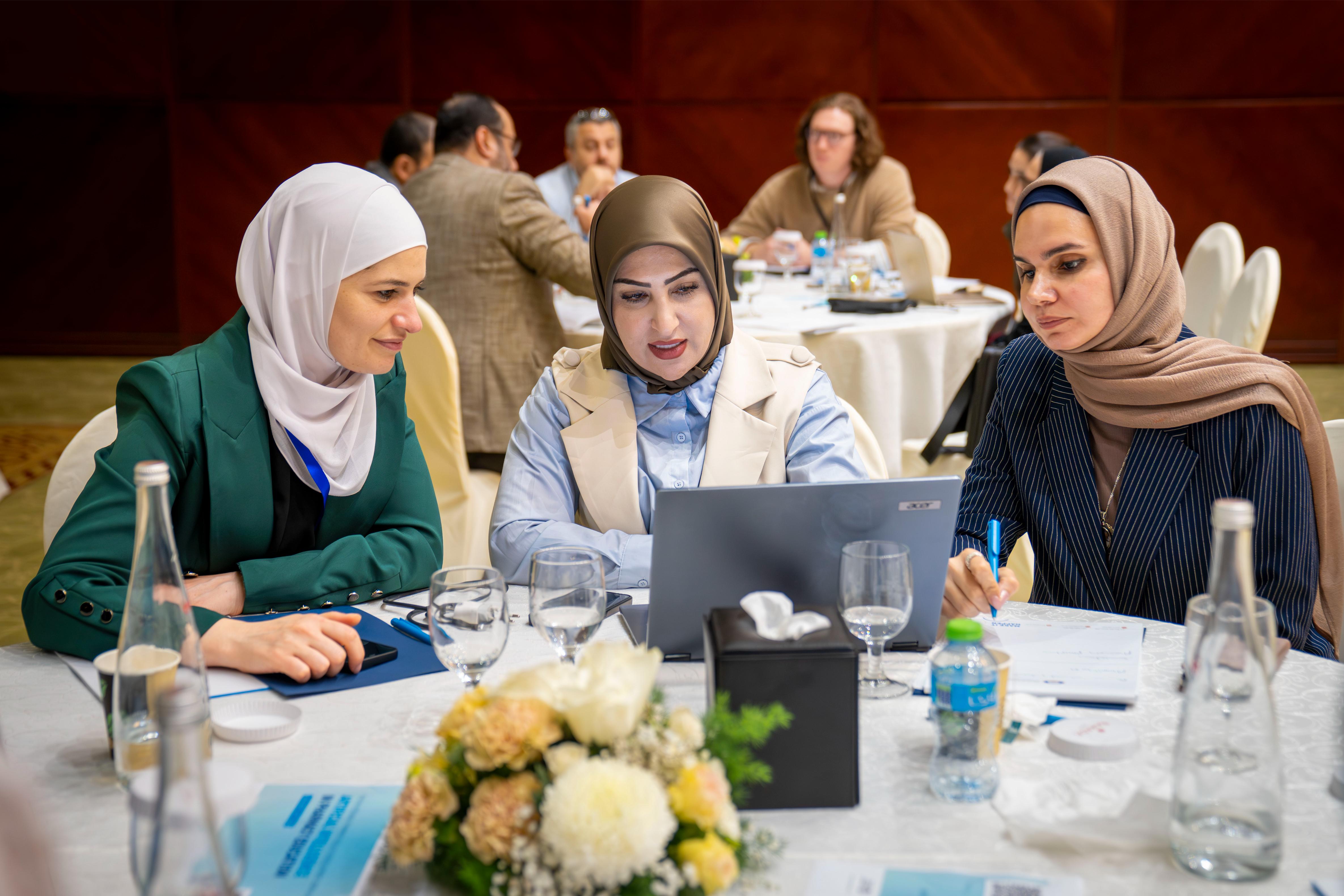
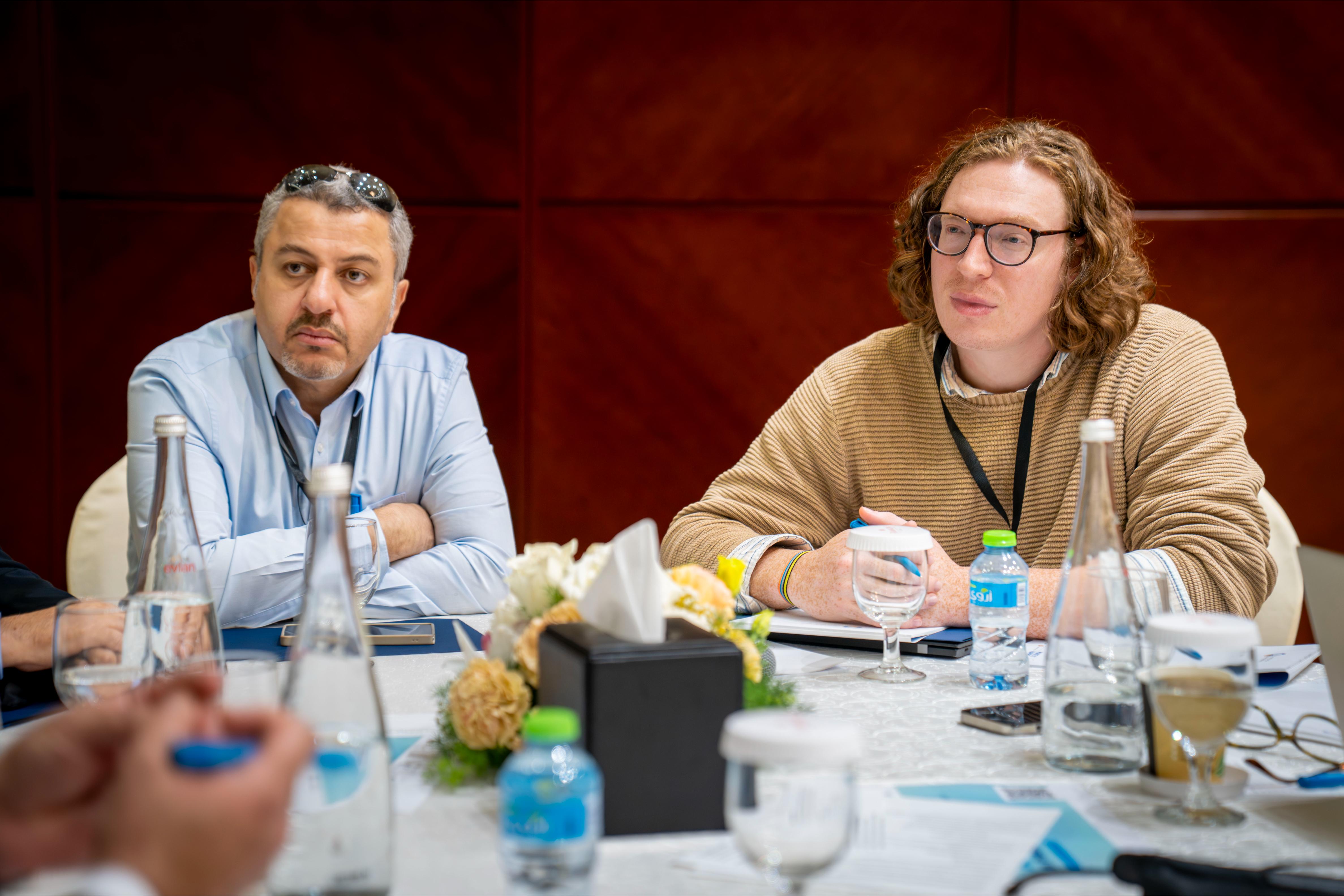
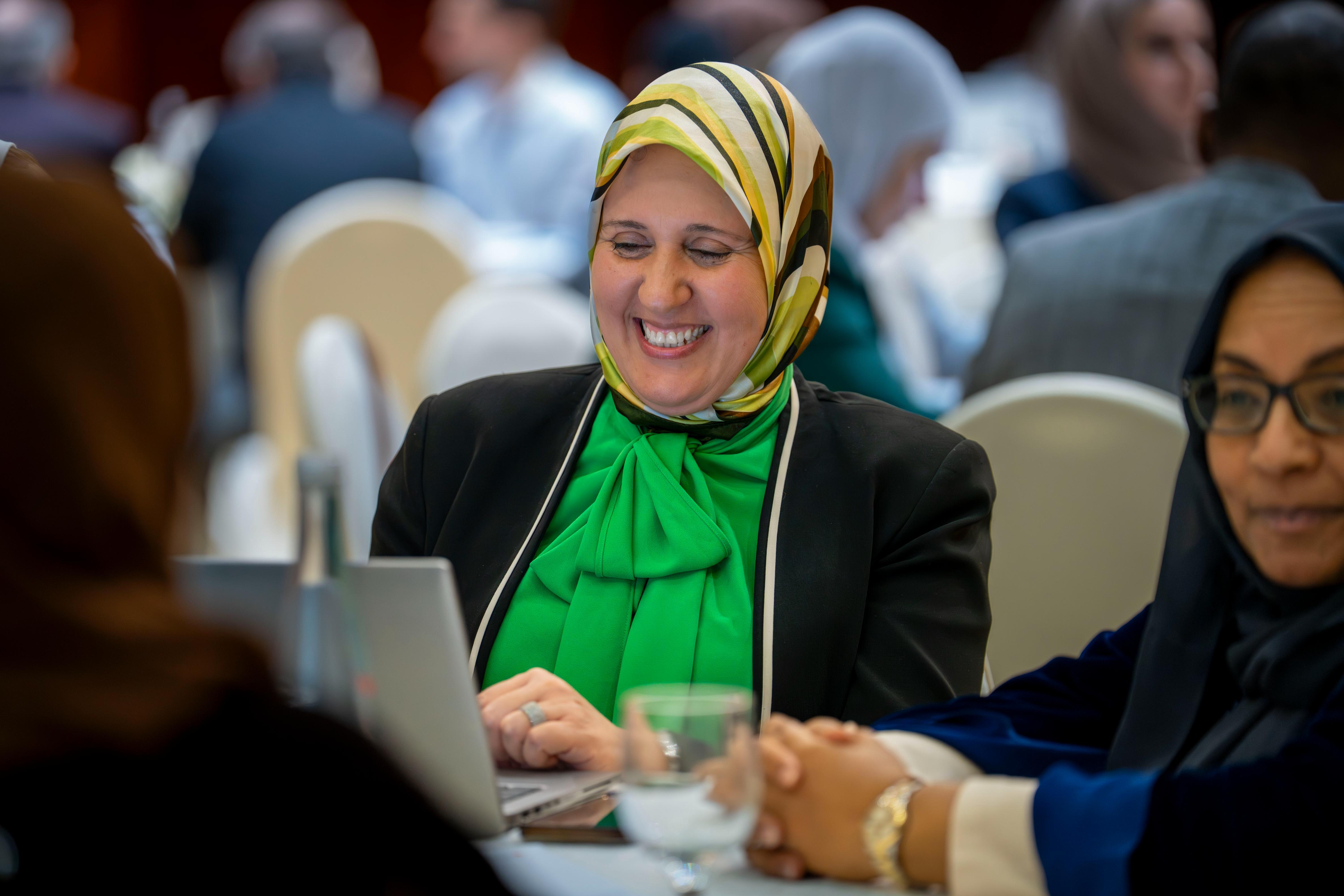
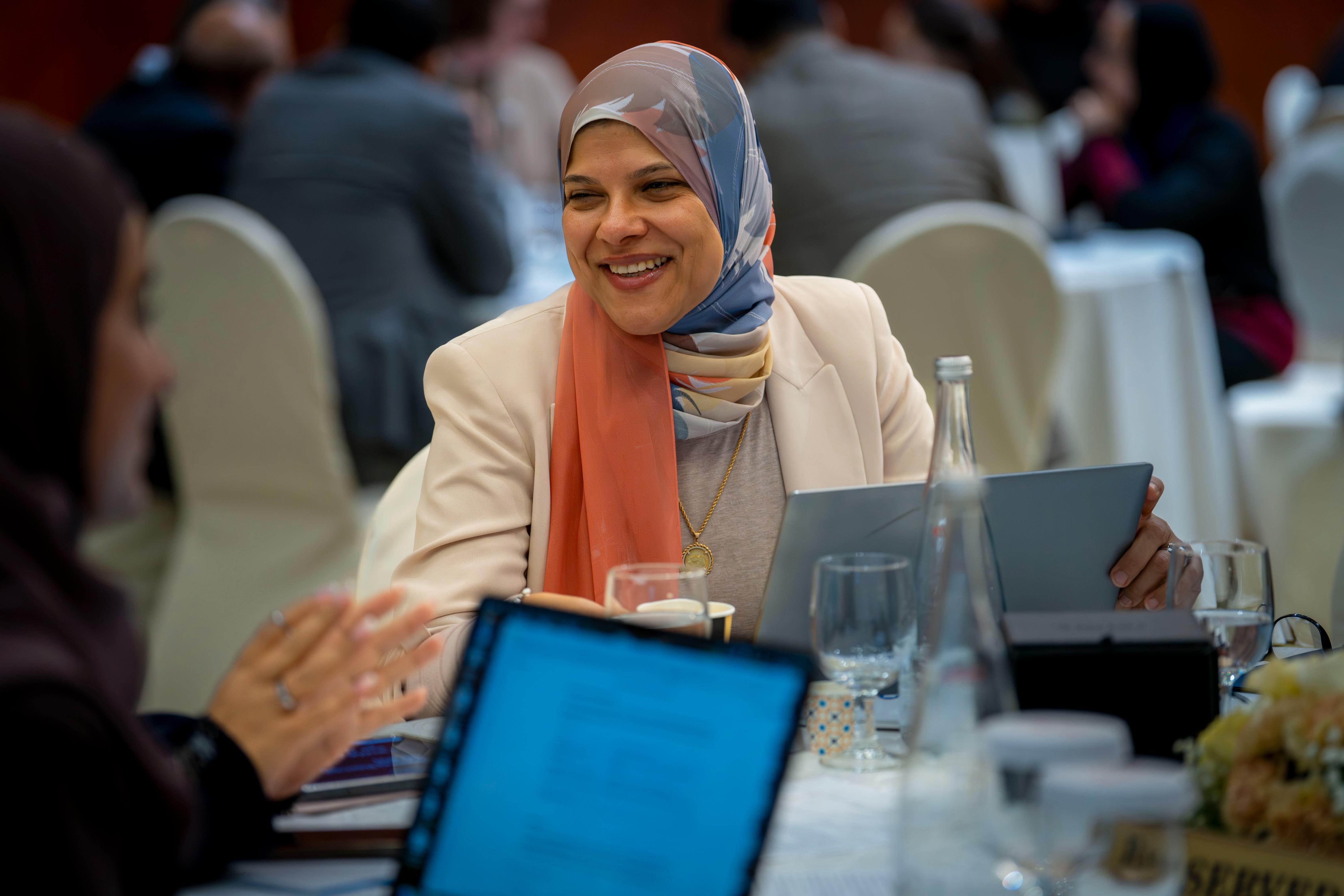
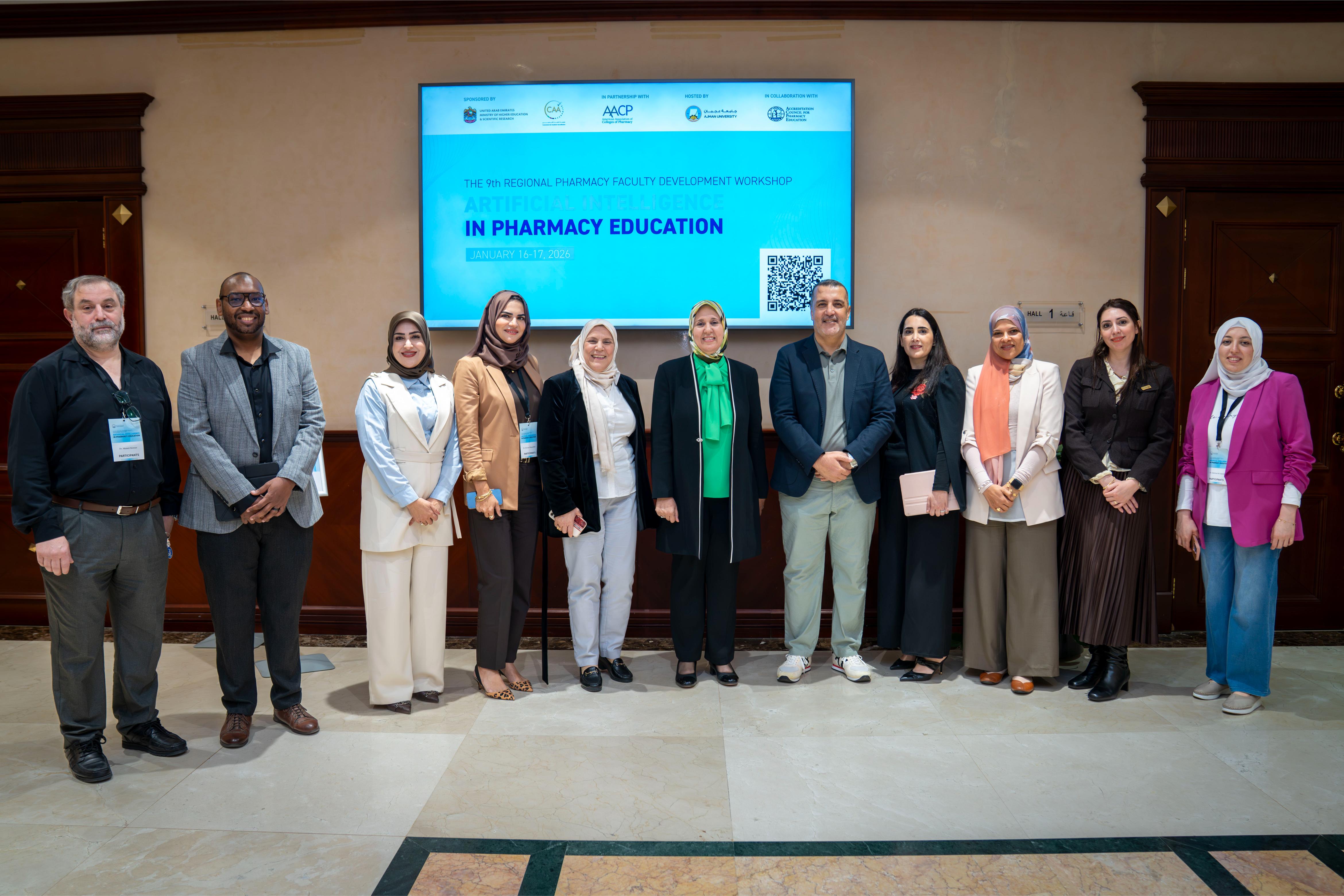
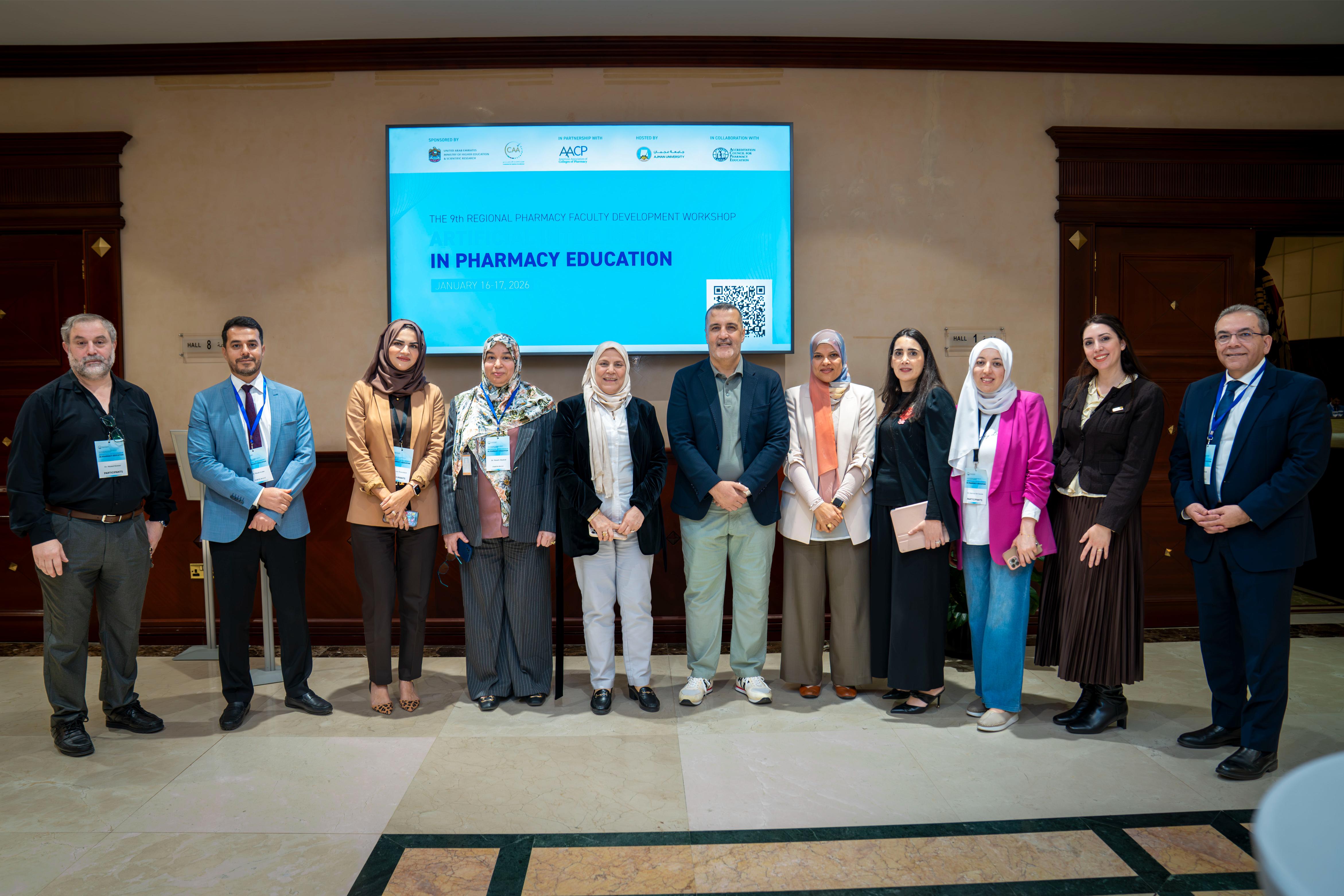
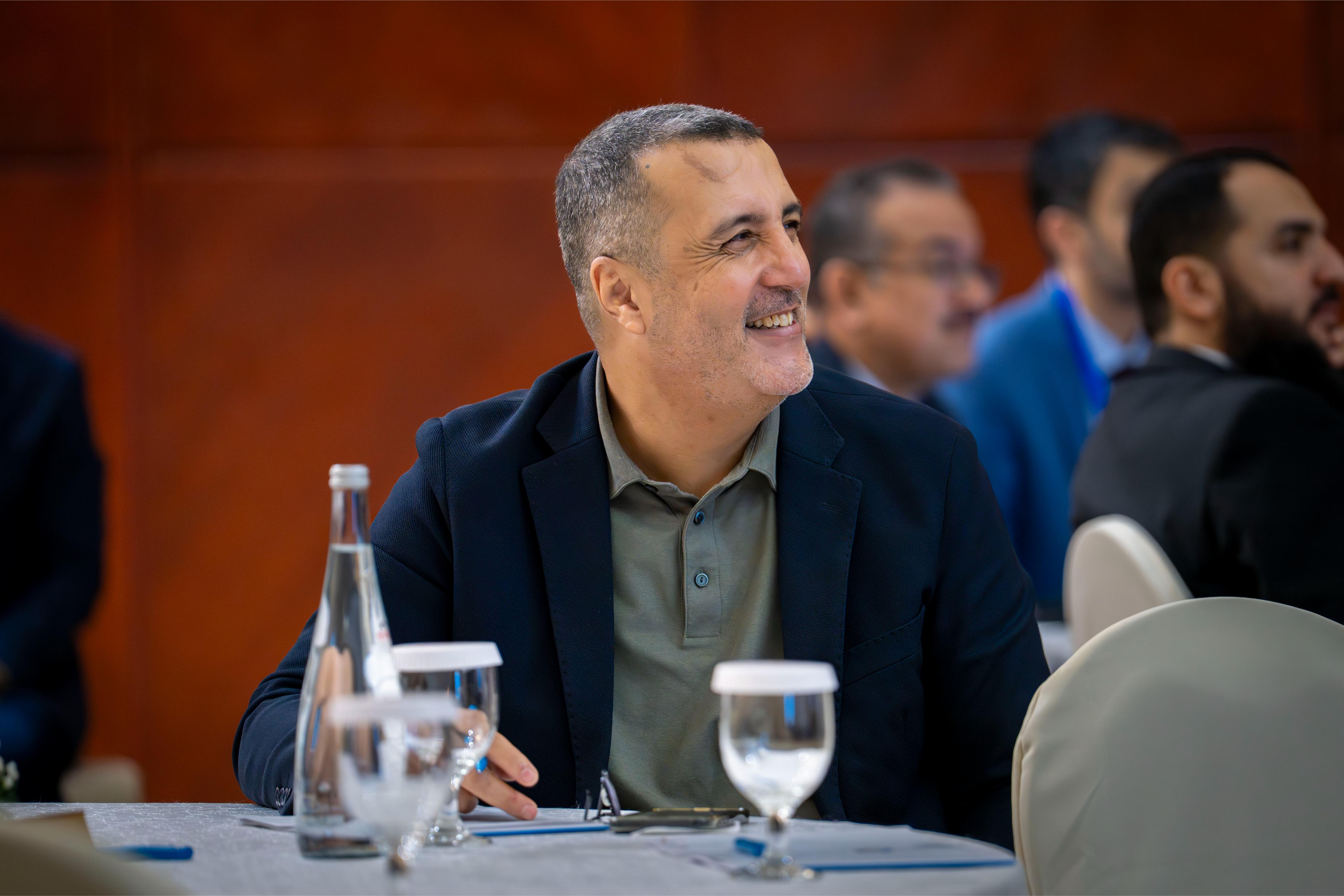
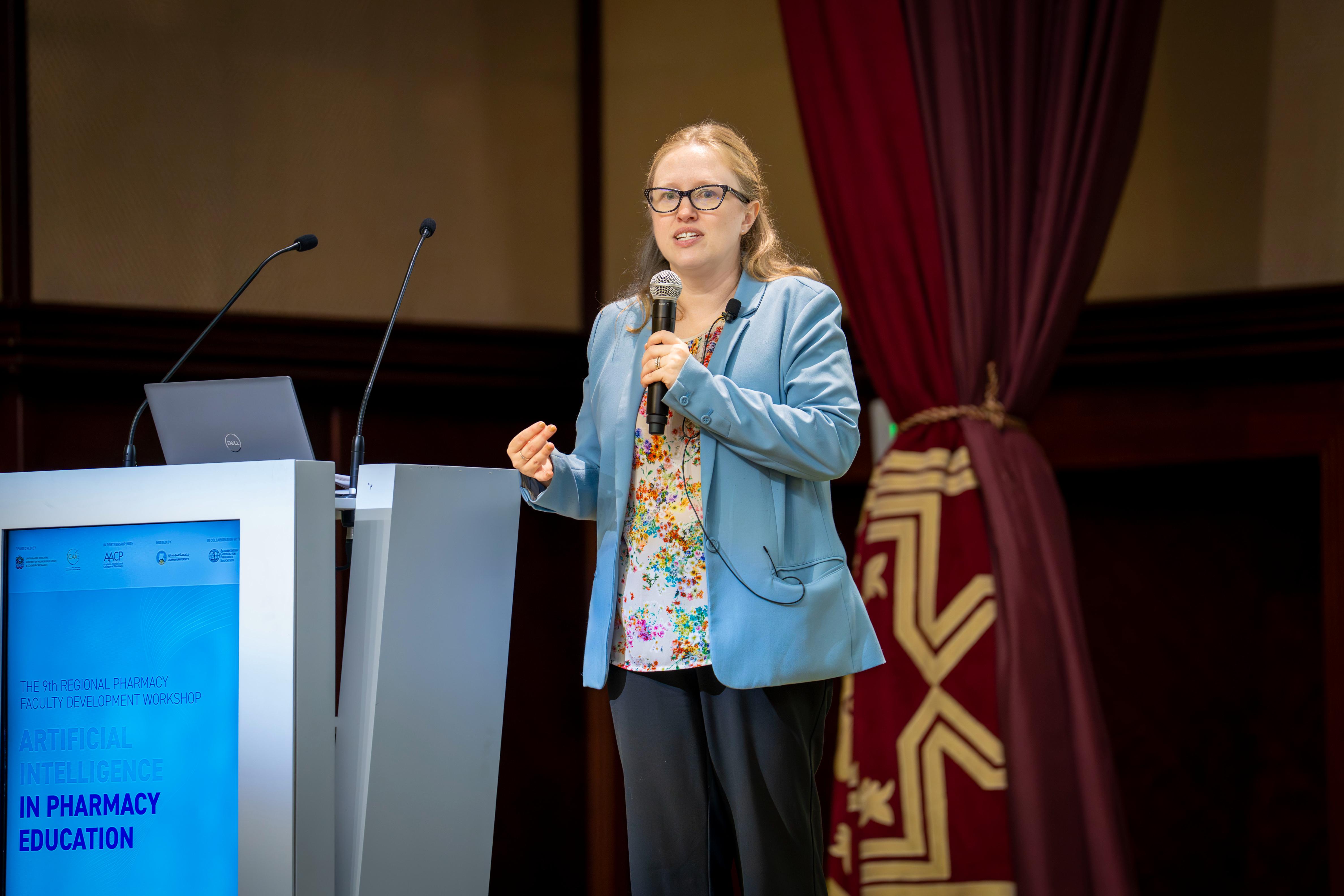
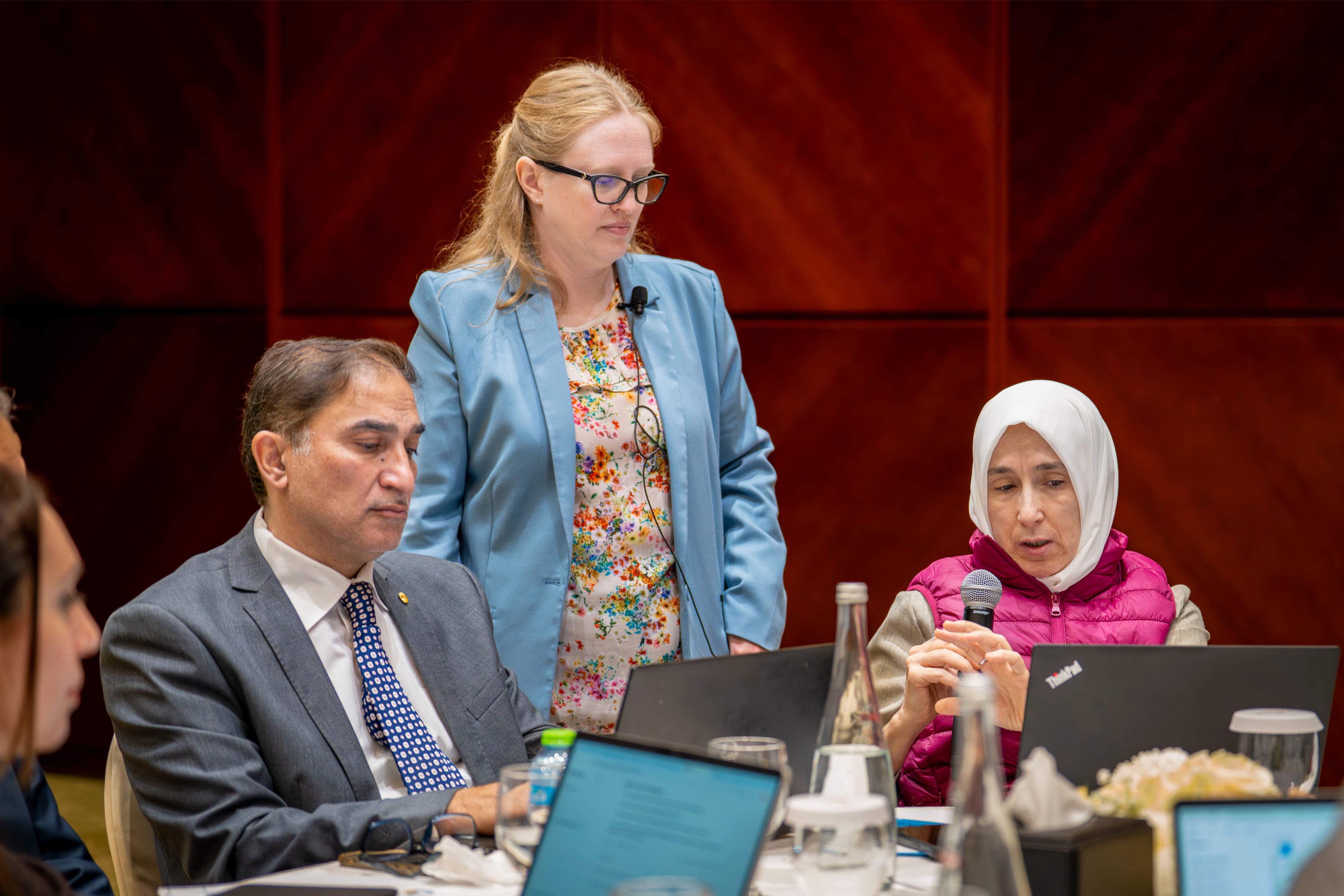
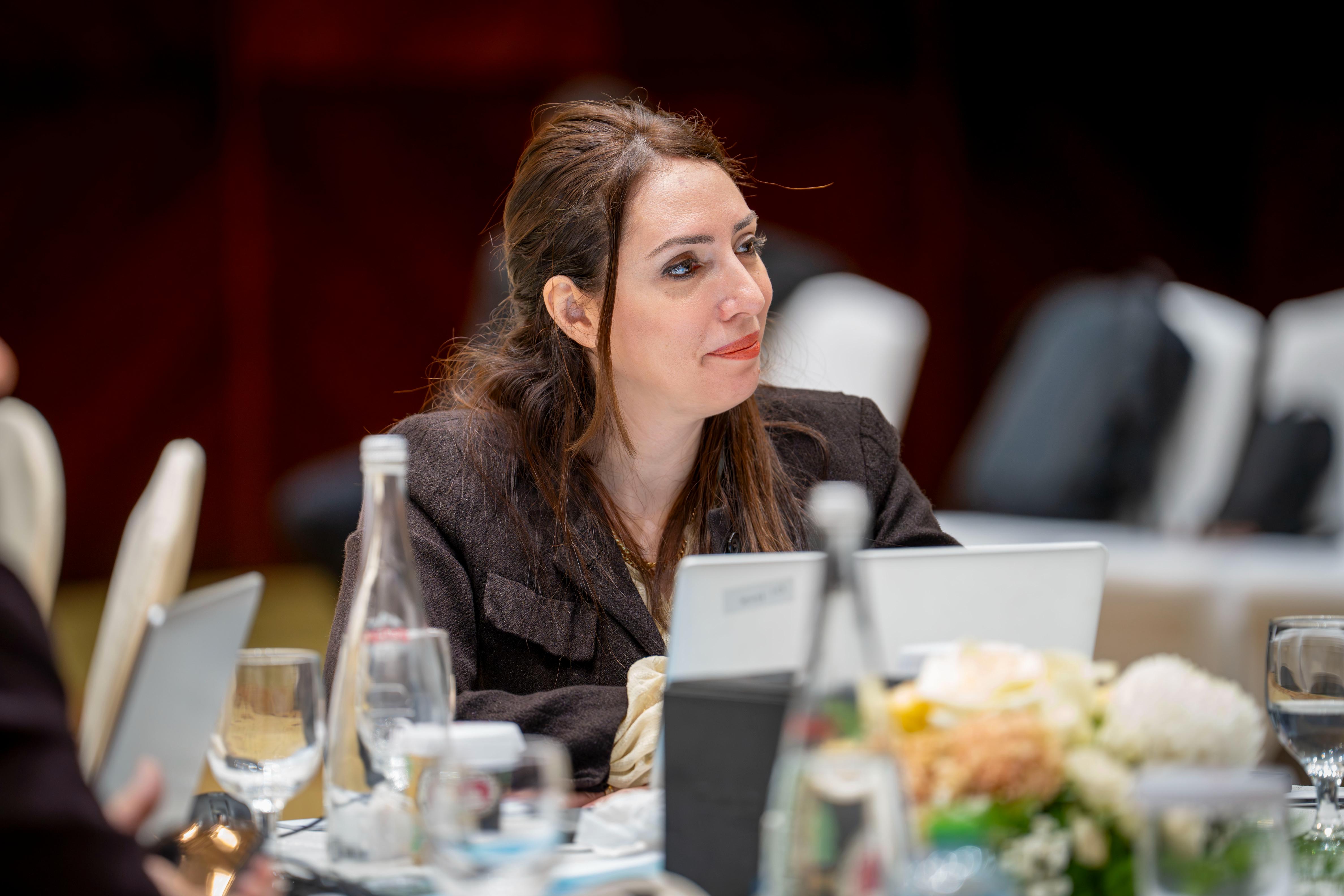
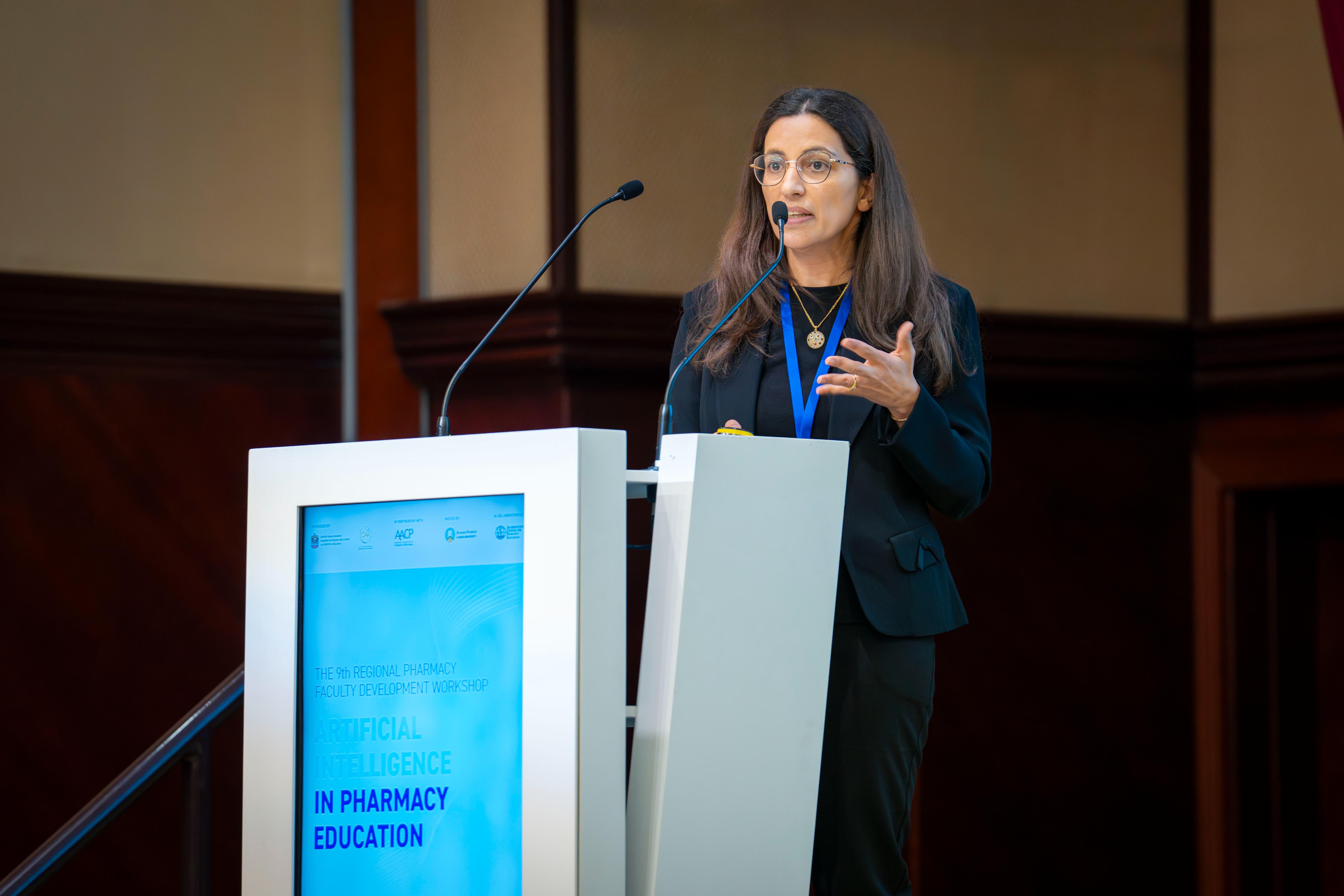
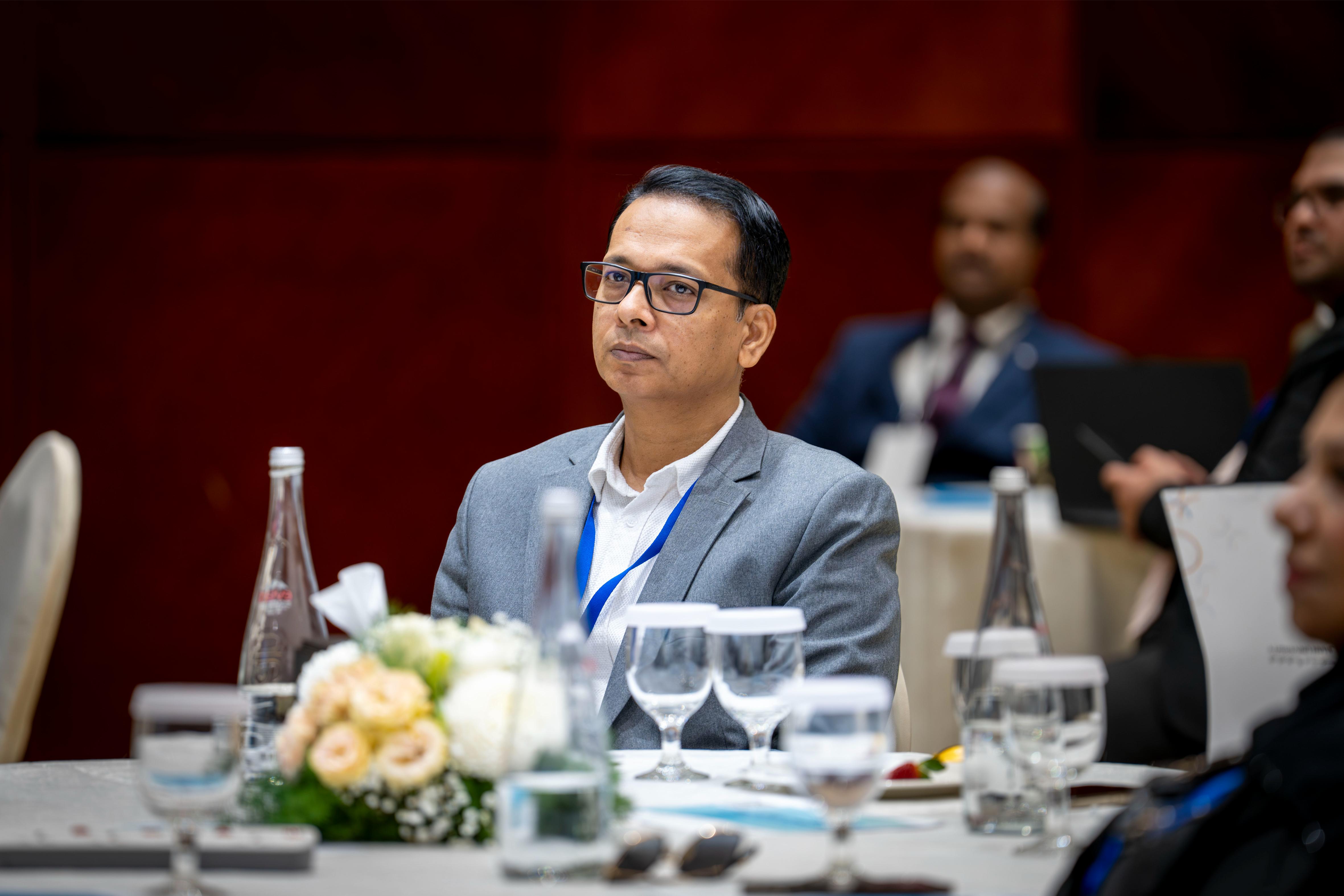
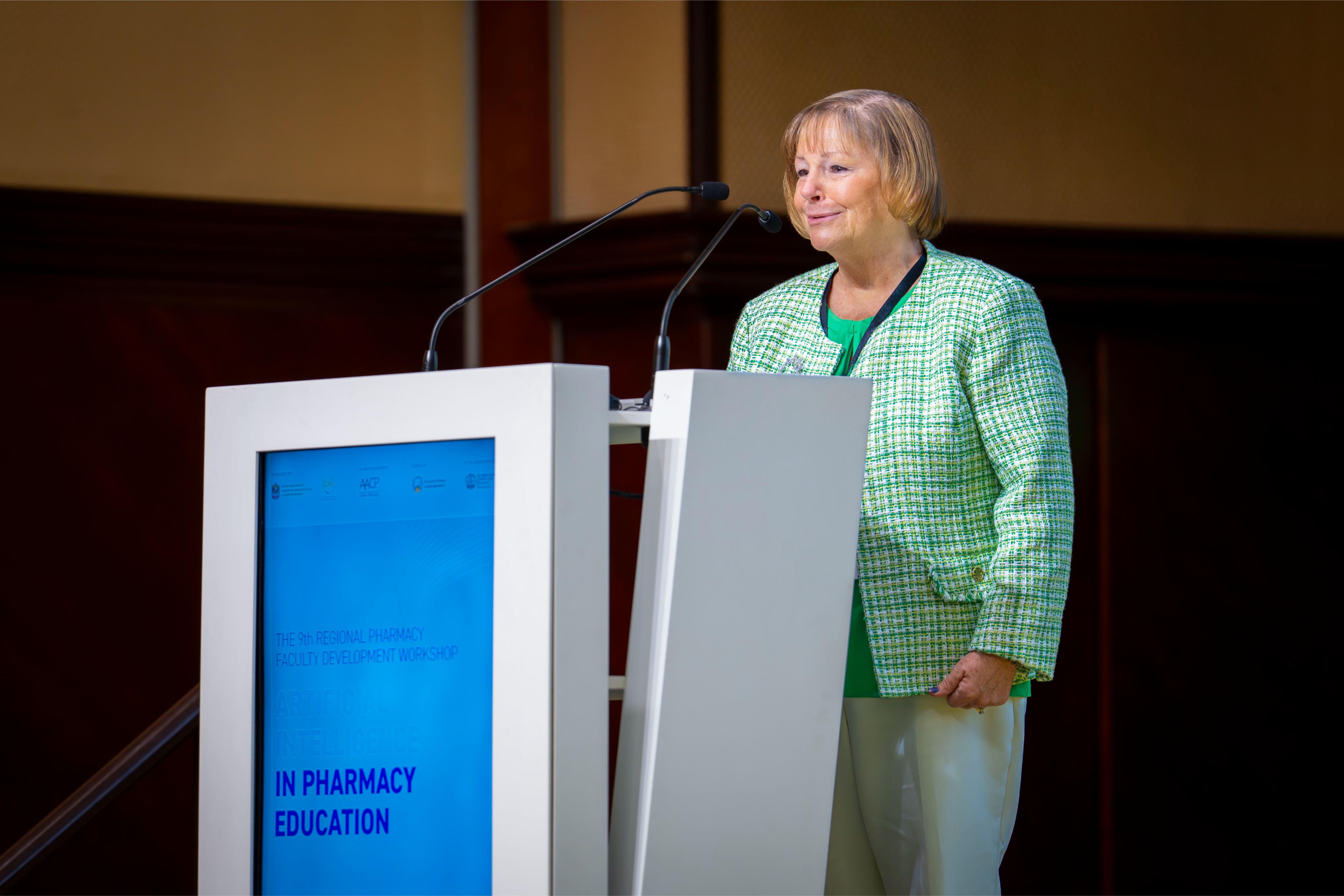
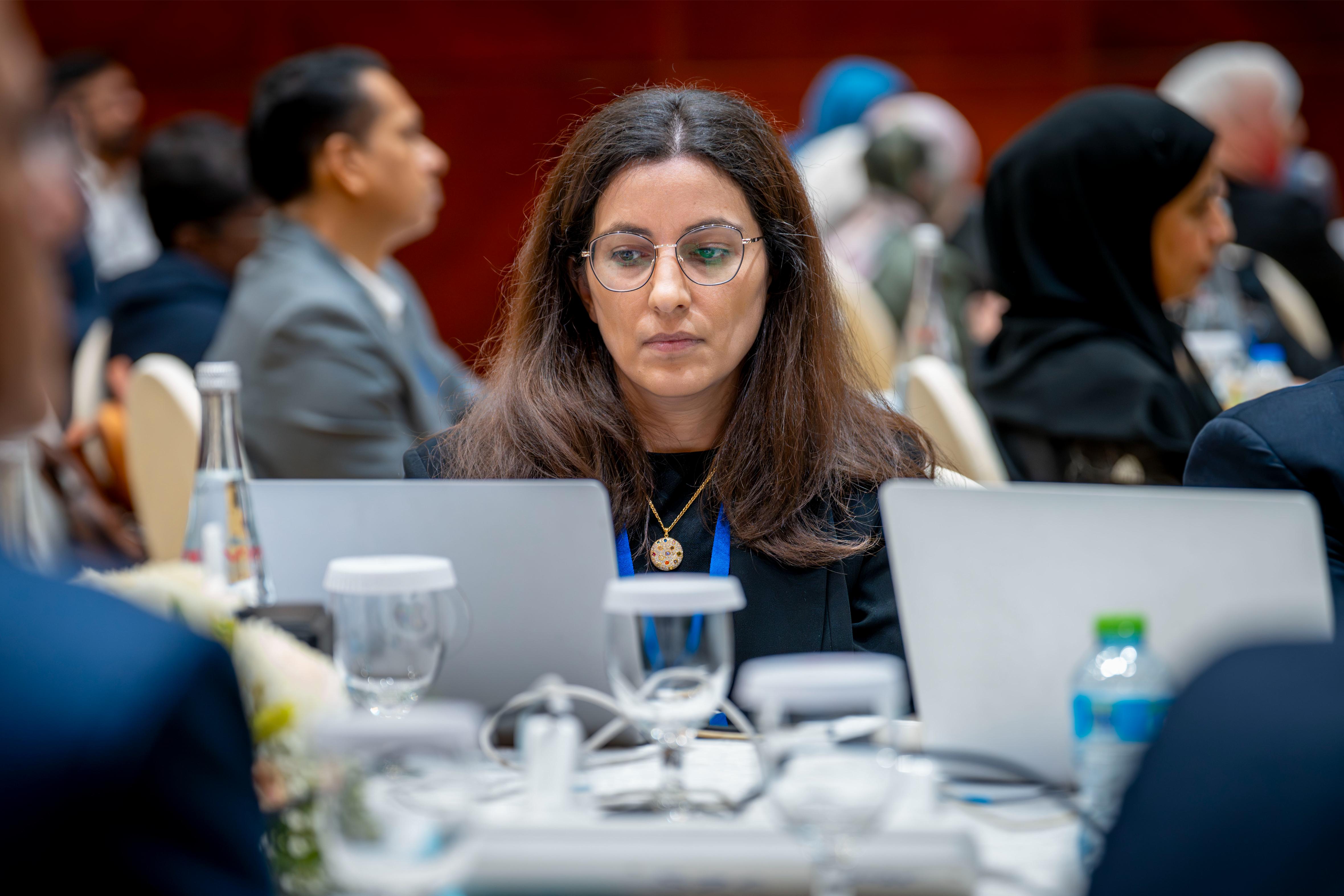
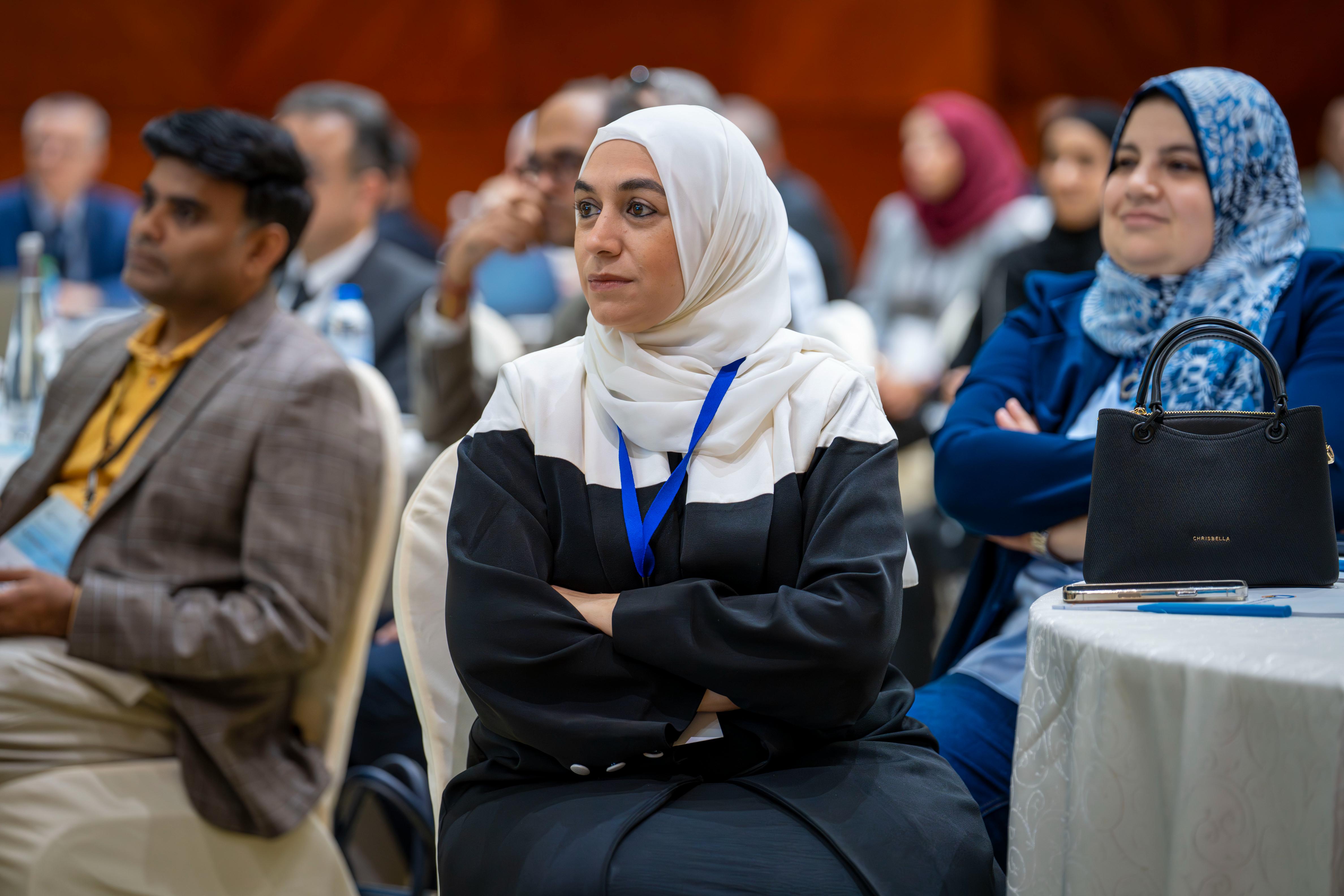
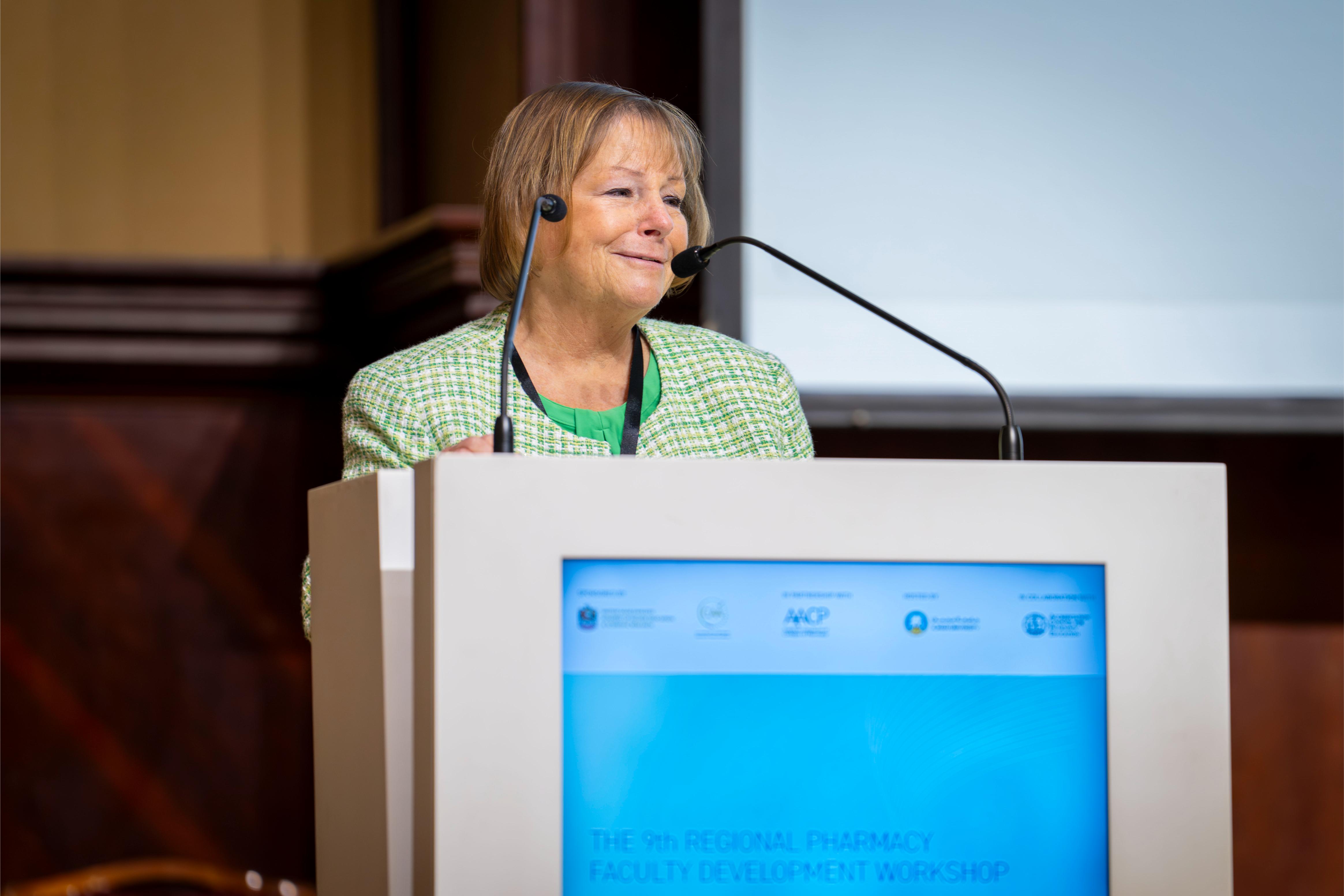
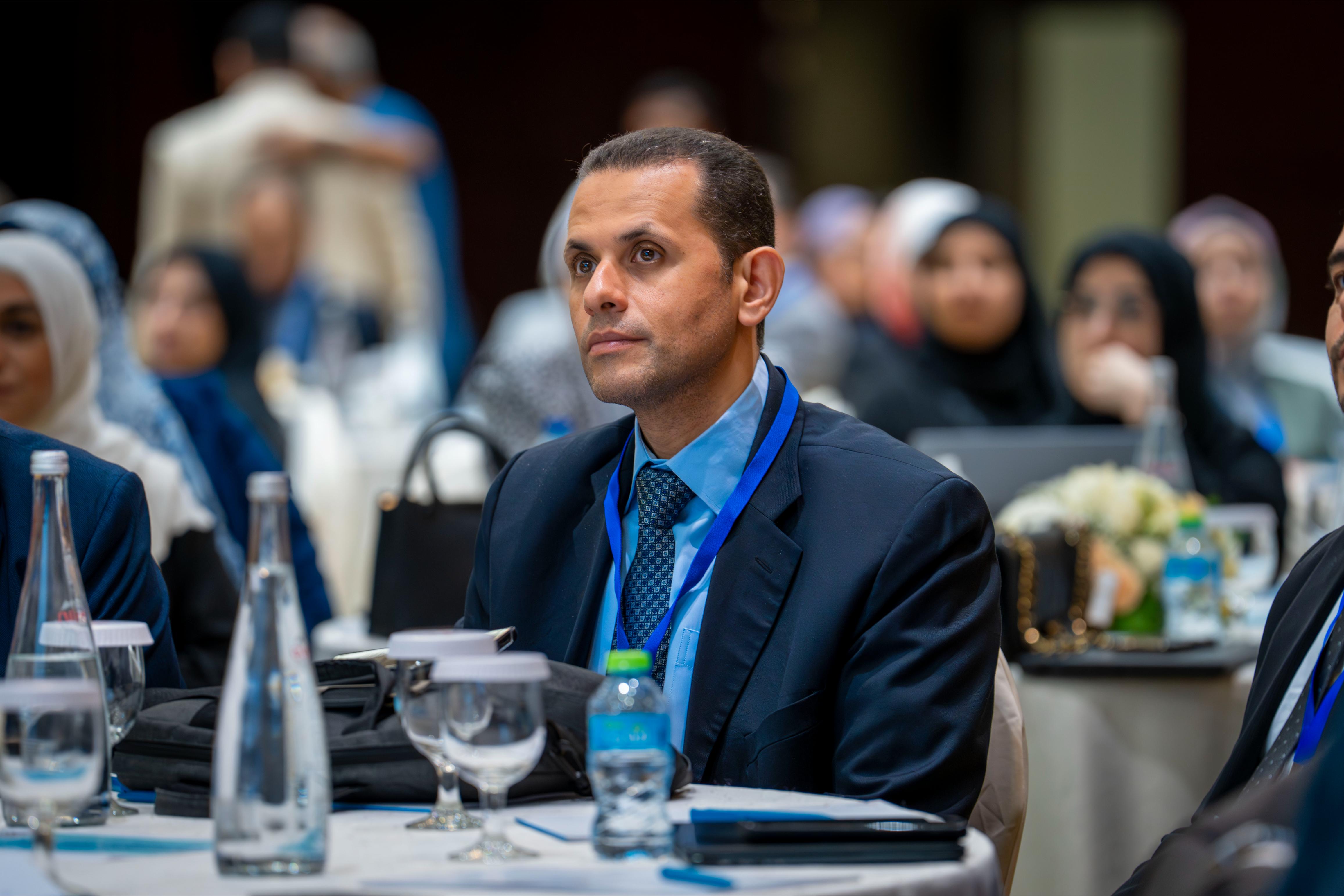
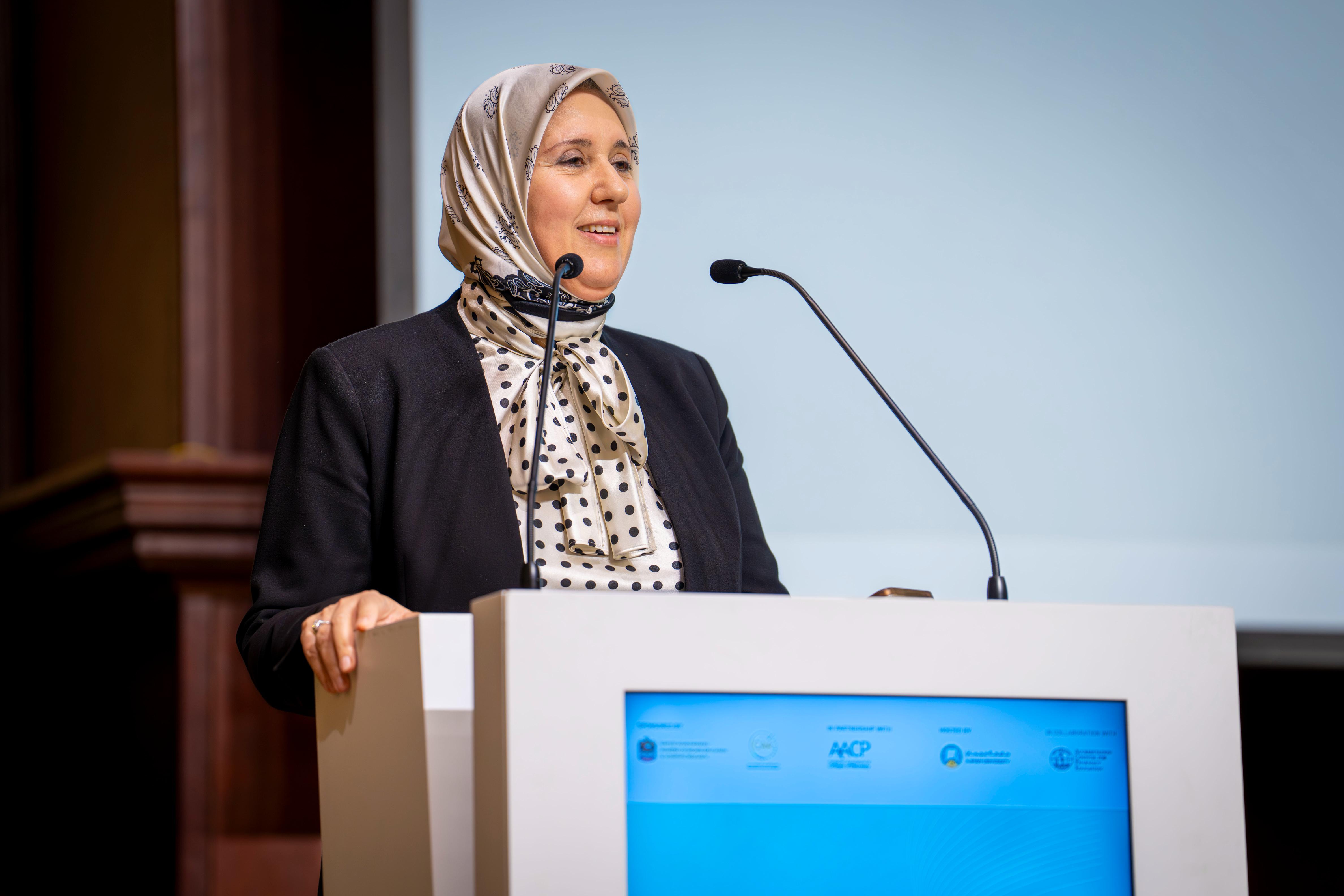
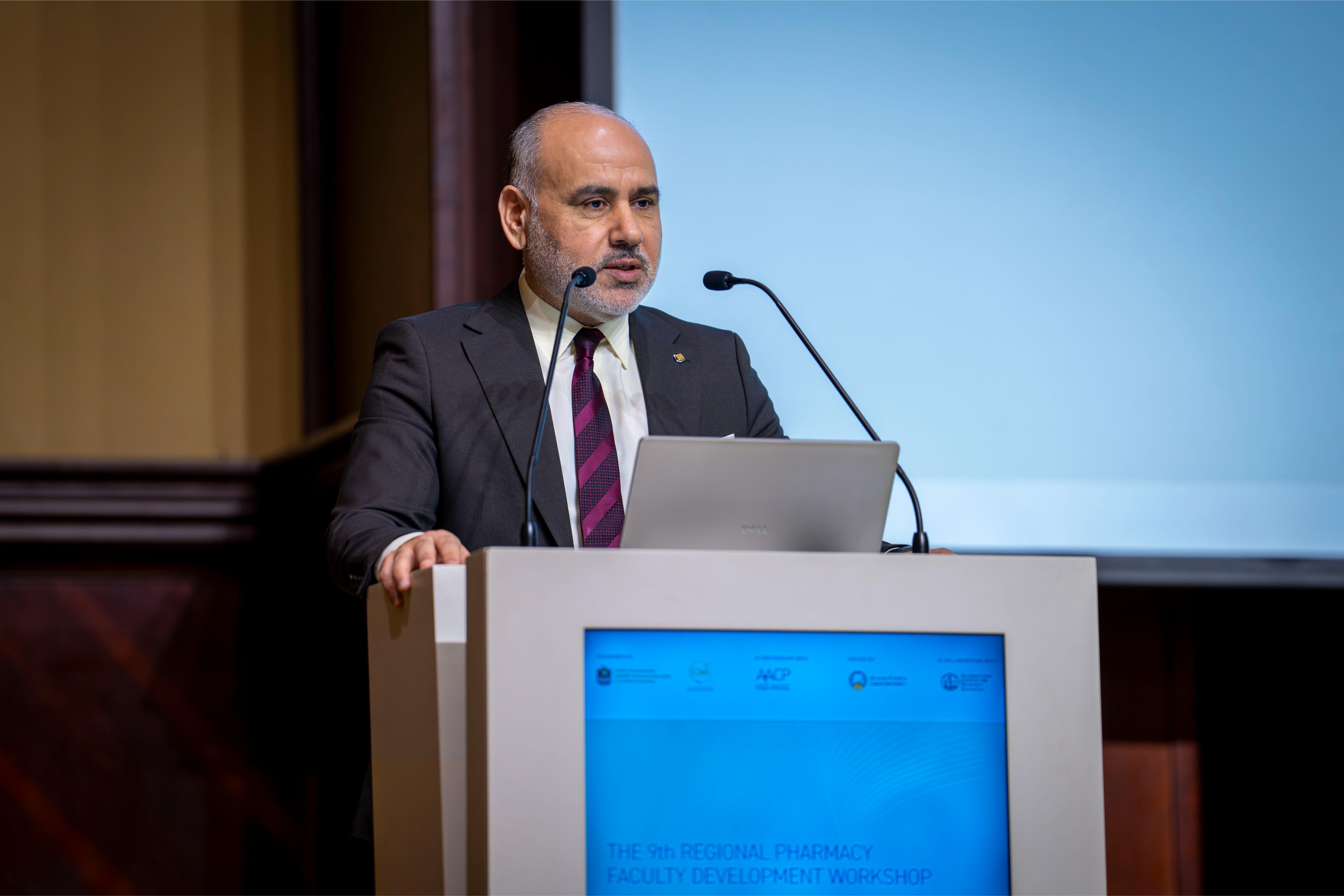
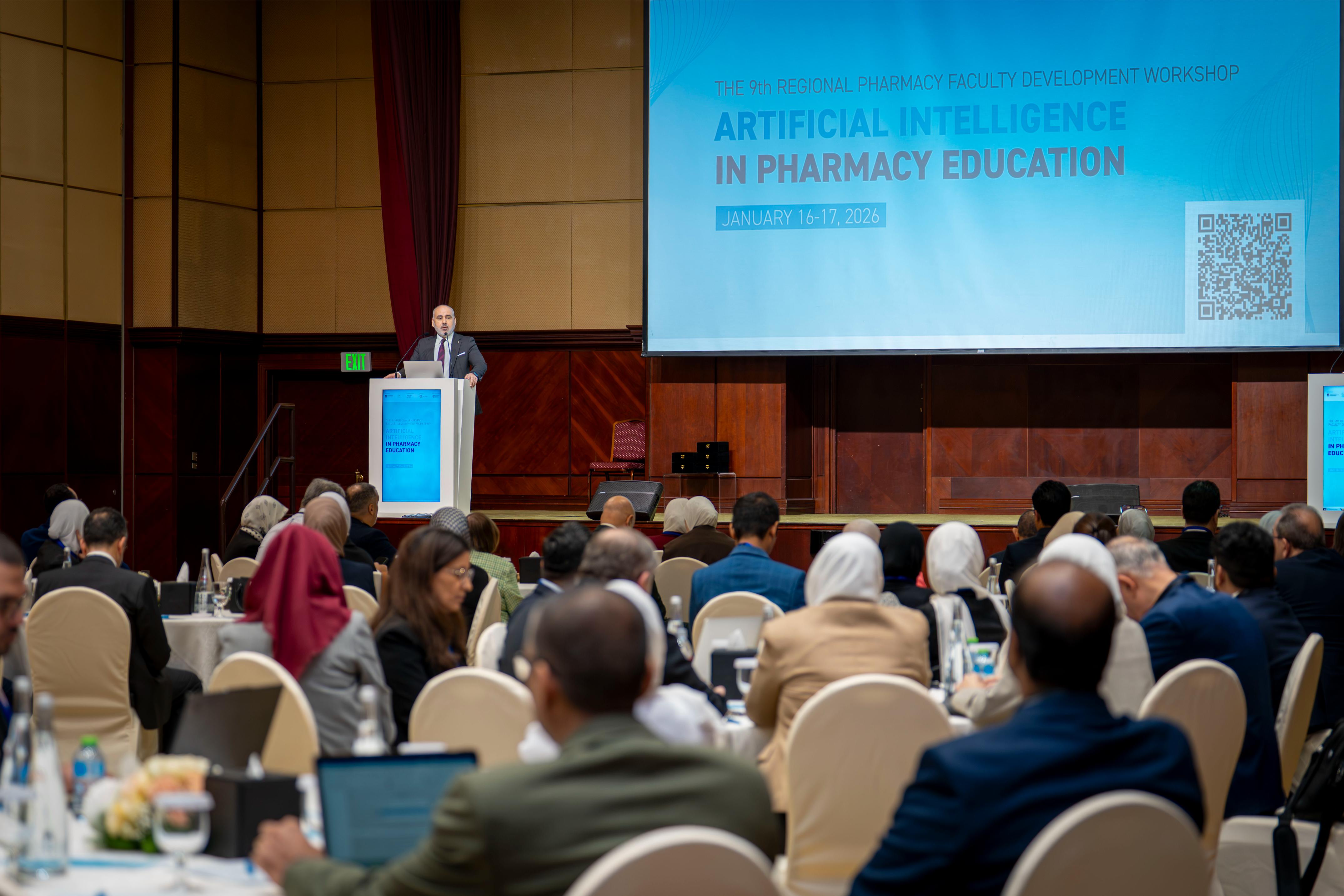
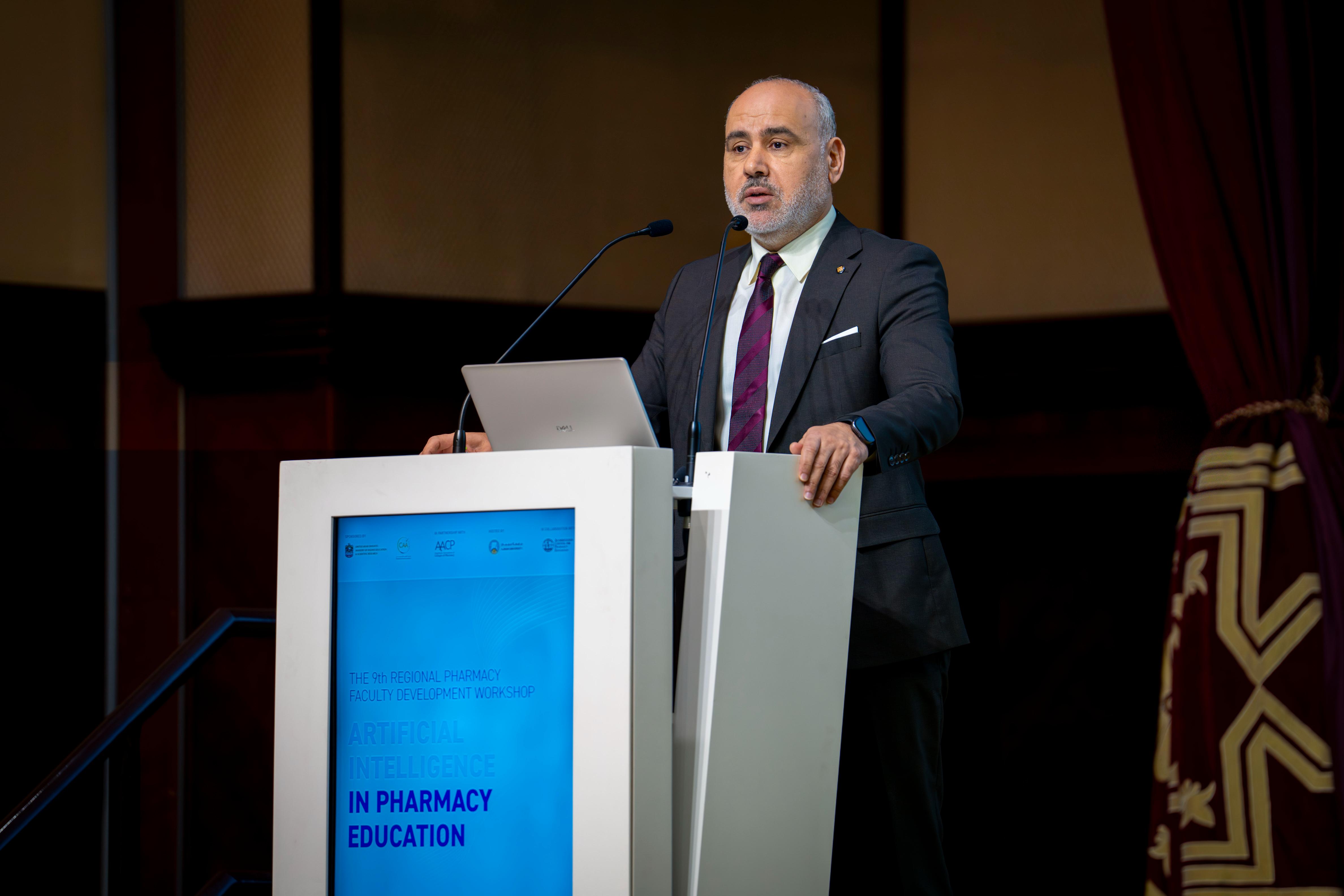
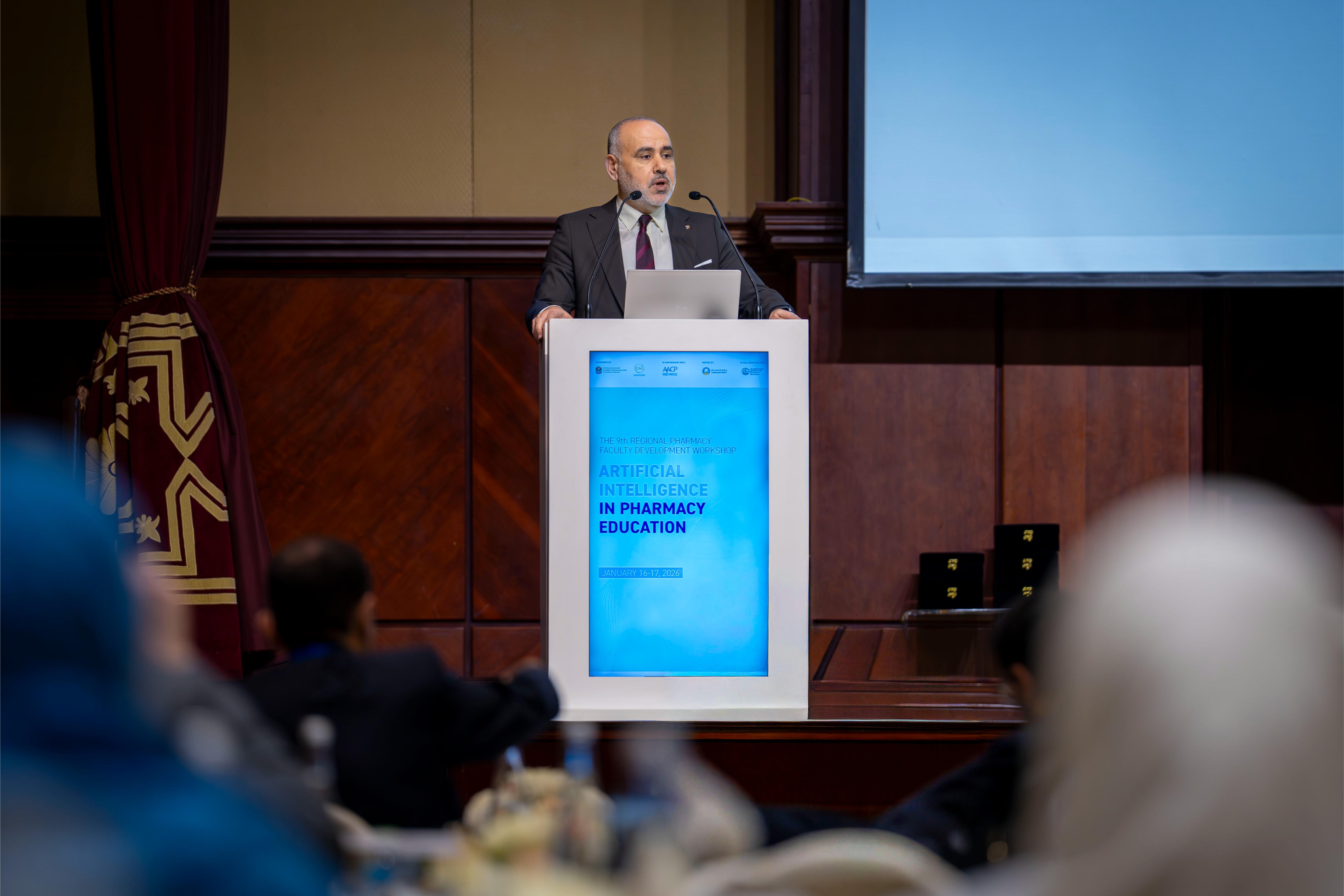
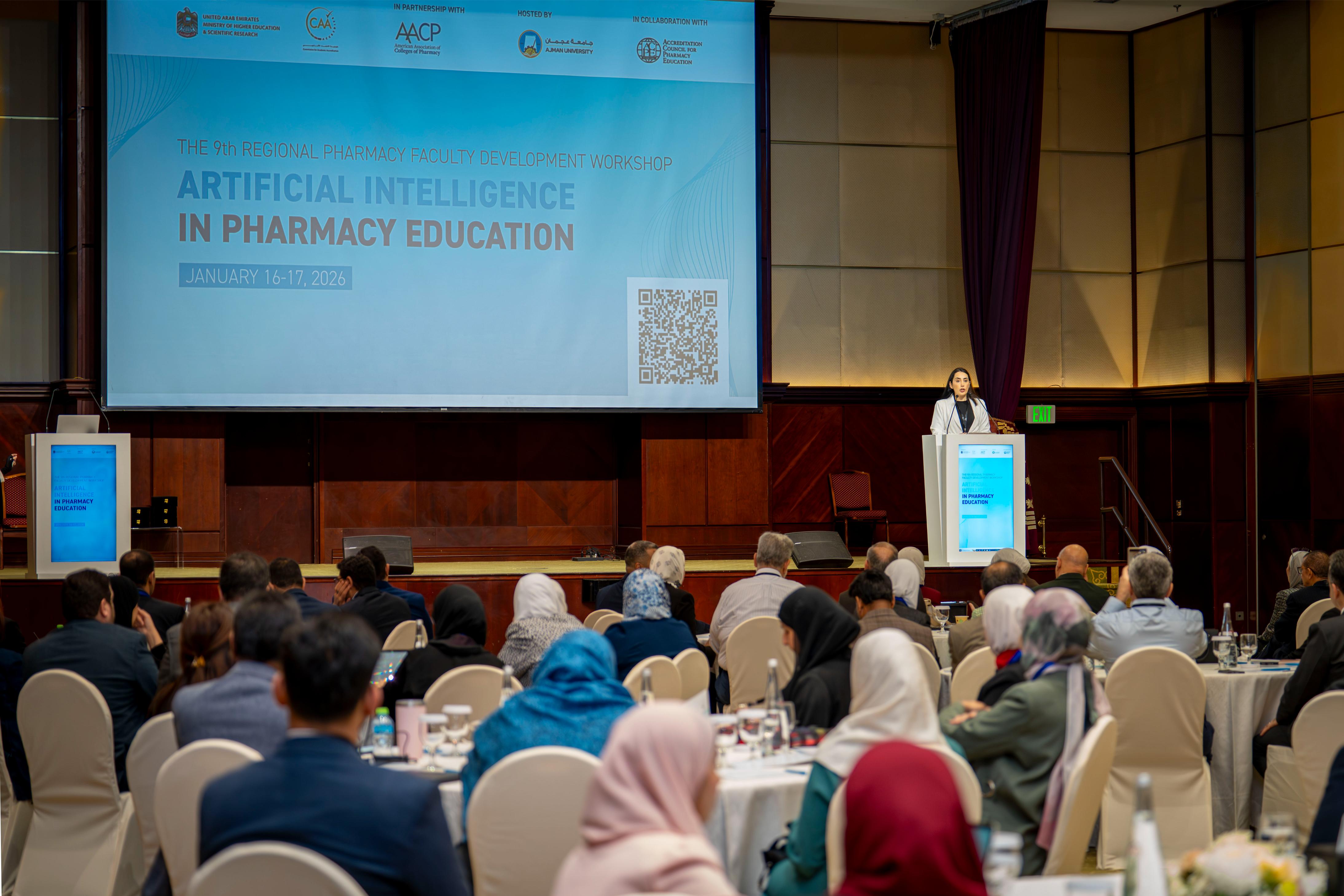
Ajman University, through its College of Pharmacy and Health Sciences, recently hosted the 9th Regional Pharmacy Faculty Development Workshop, a two-day academic forum focused on the role of Artificial Intelligence (AI) in advancing pharmacy education. The workshop convened pharmacy and healthcare faculty members, academic administrators, clinical educators, and researchers to examine how emerging technologies are influencing teaching, assessment, and professional preparation in the health sciences.
The two-day workshop was organized in partnership with the UAE Ministry of Higher Education and Scientific Research (MOHSER) – represented by the UAE Commission for Academic Accreditation (CAA), the Accreditation Council for Pharmacy Education (ACPE) USA, and the American Association of Colleges of Pharmacy (AACP) USA, reflecting a shared commitment to strengthening faculty capacity, supporting quality assurance, and aligning pharmacy education with national higher-education policy priorities and international accreditation frameworks.
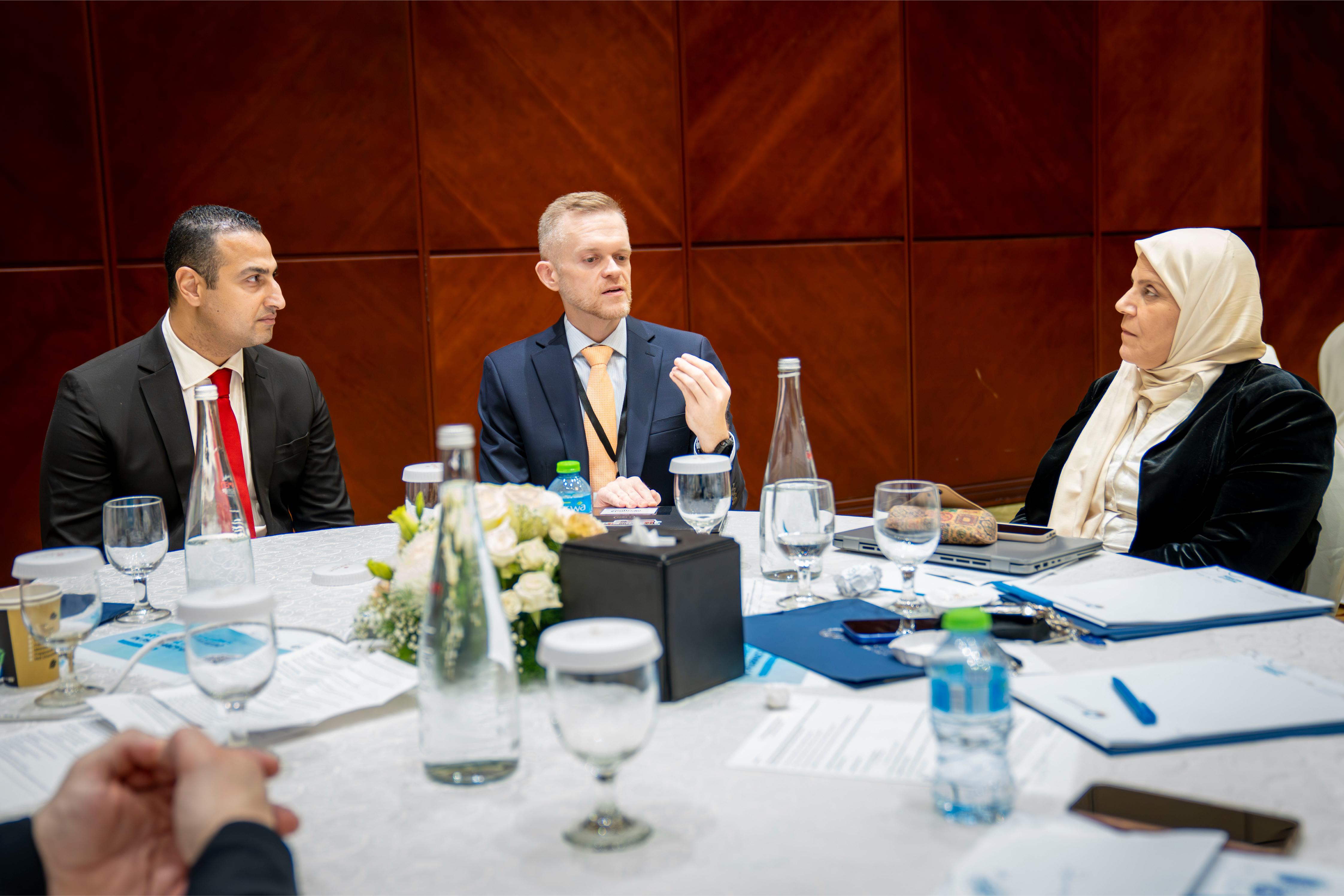
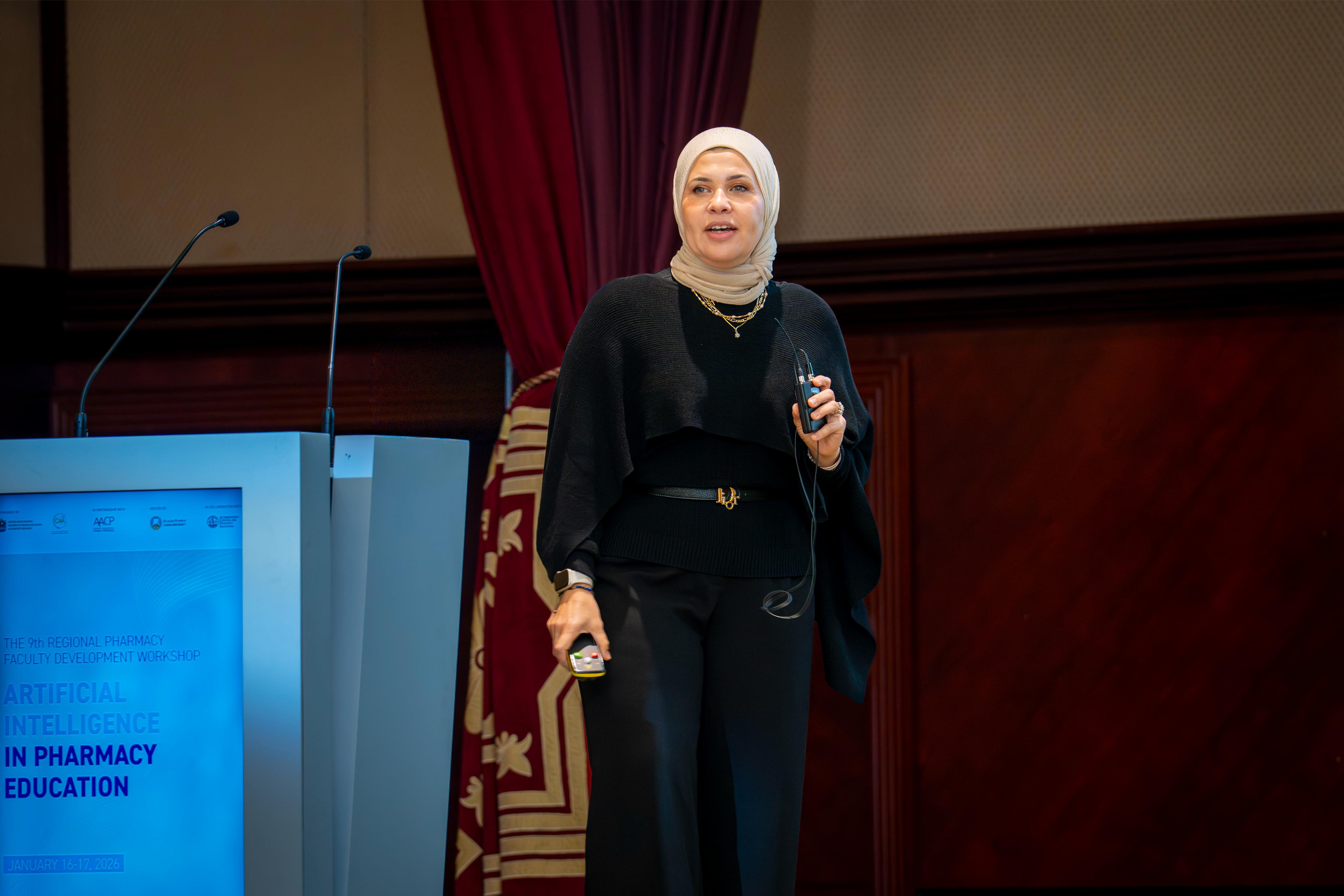
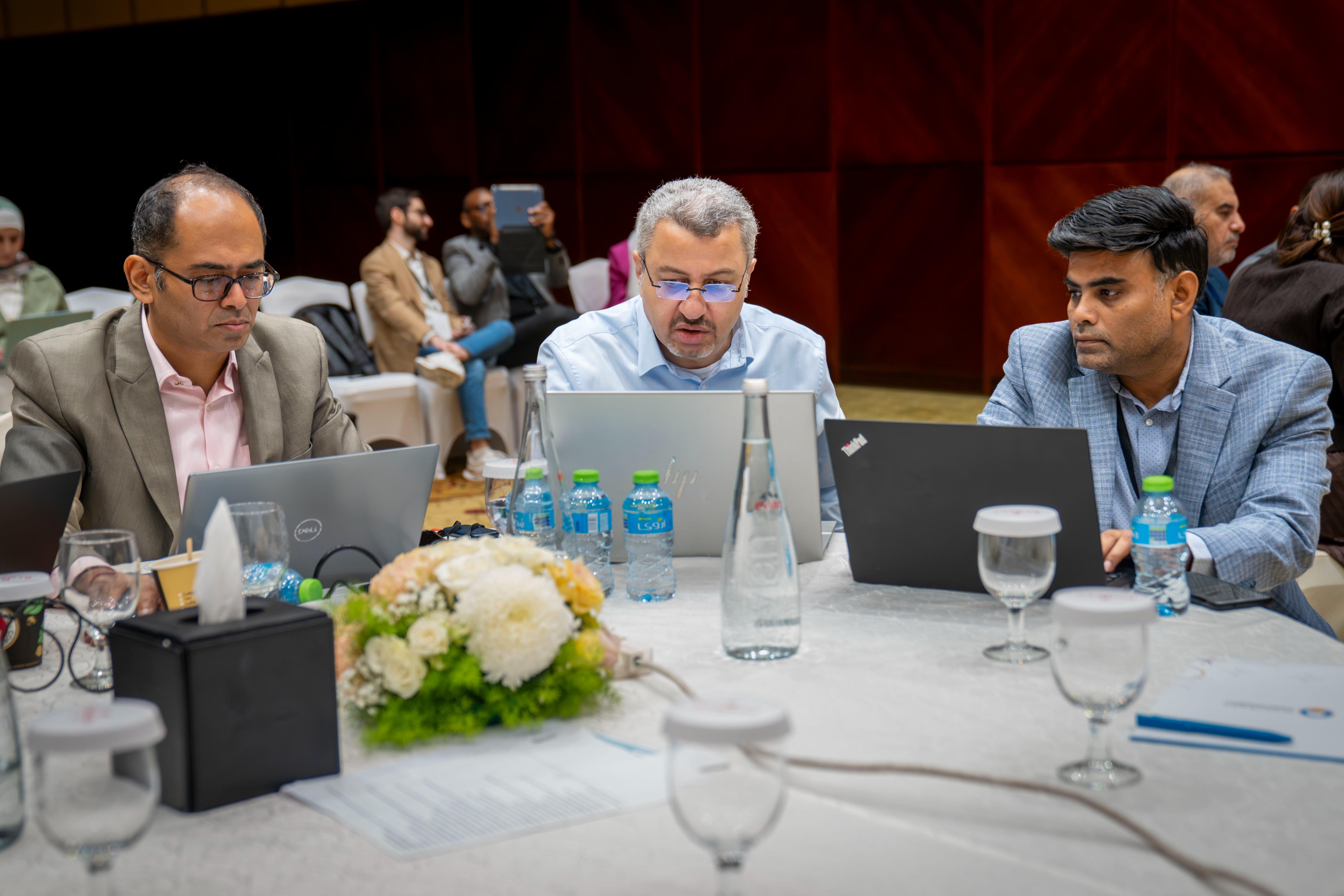
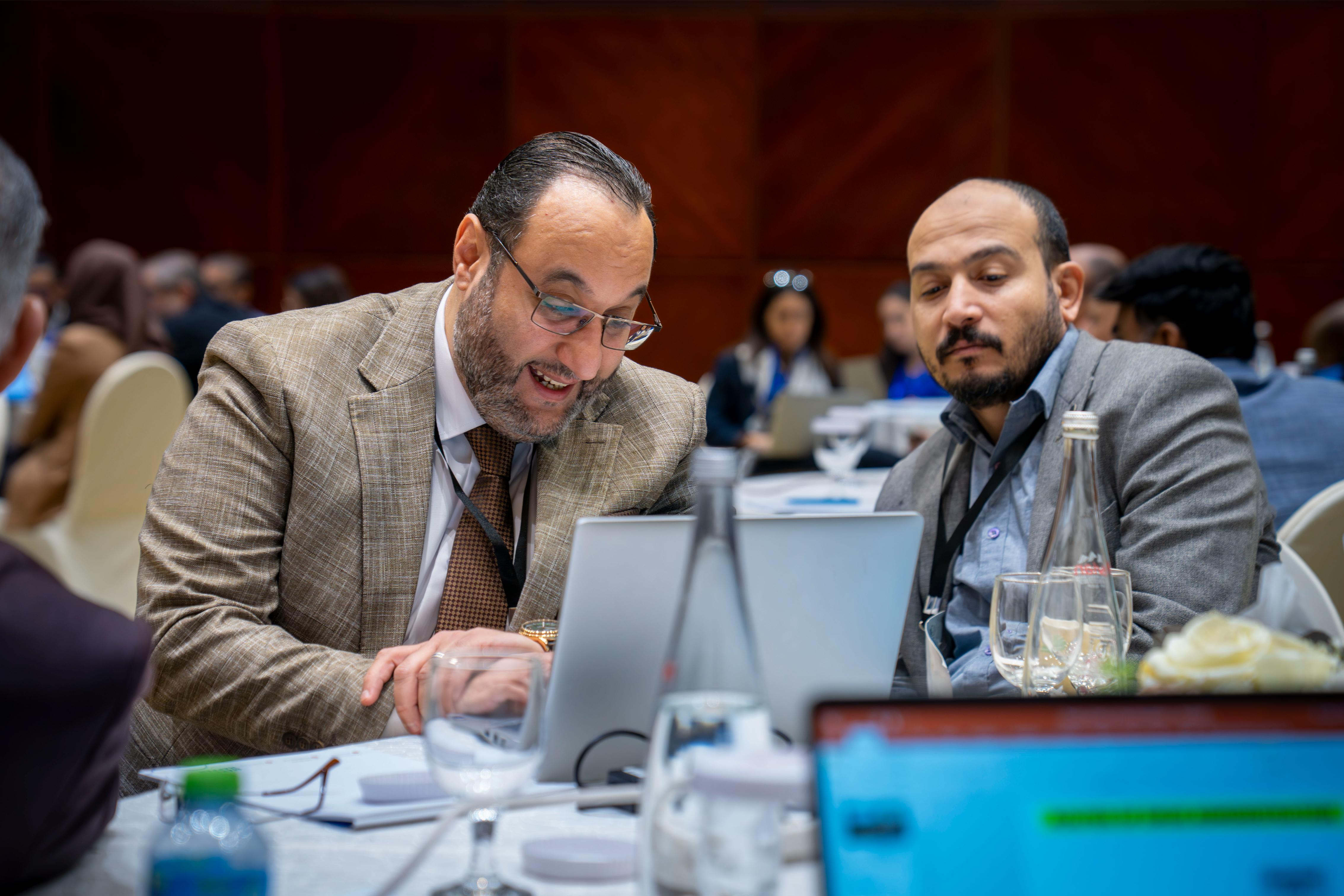
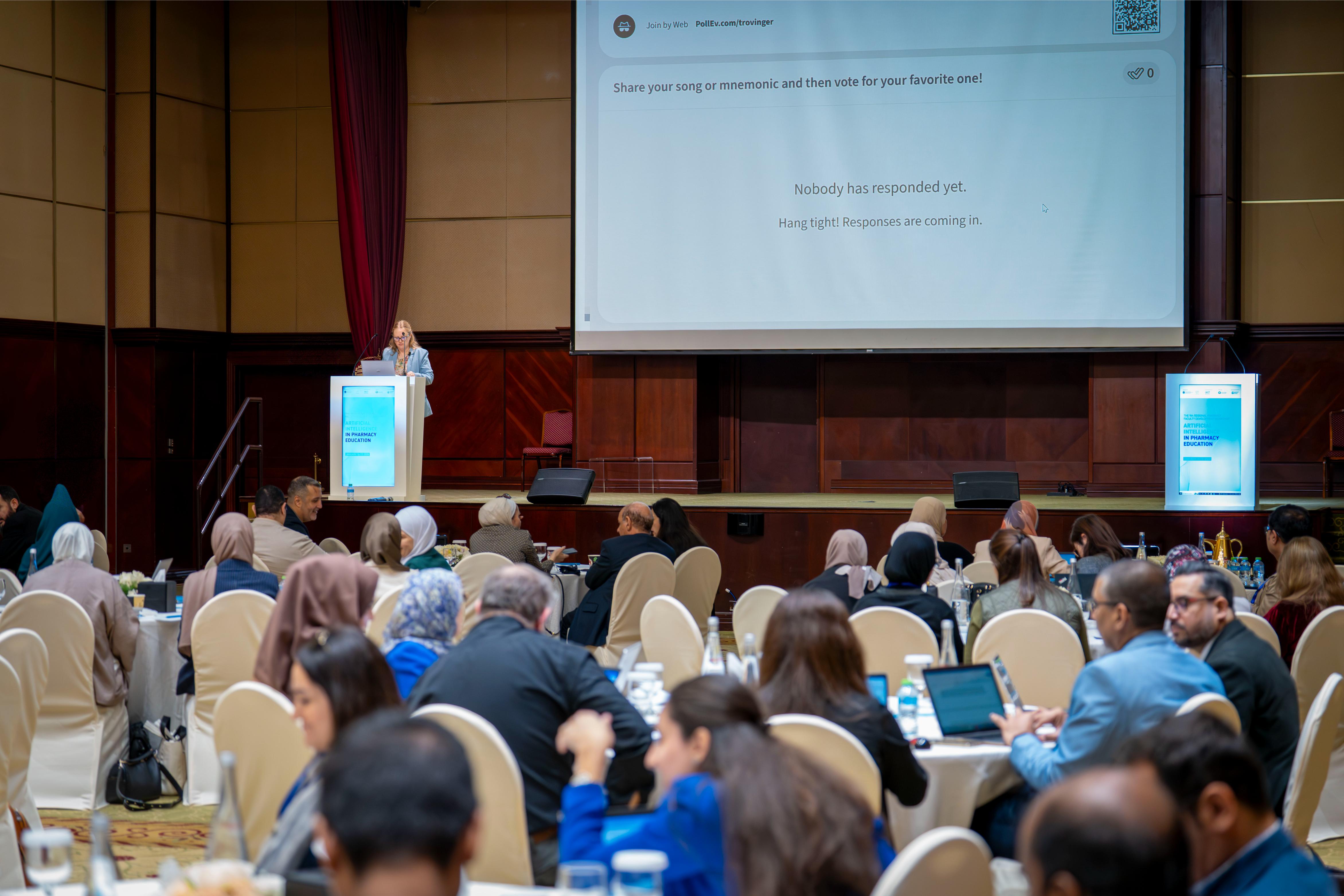
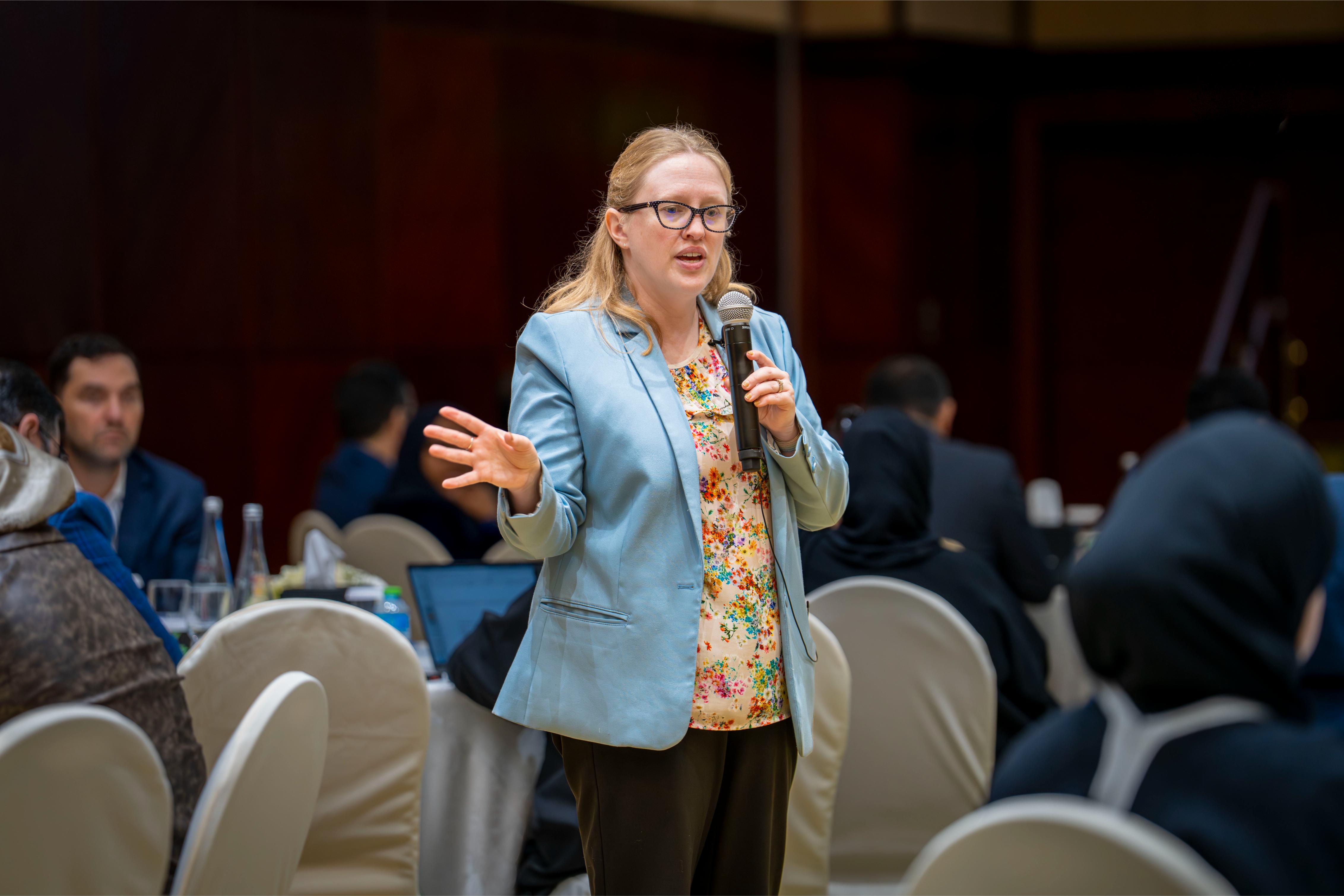
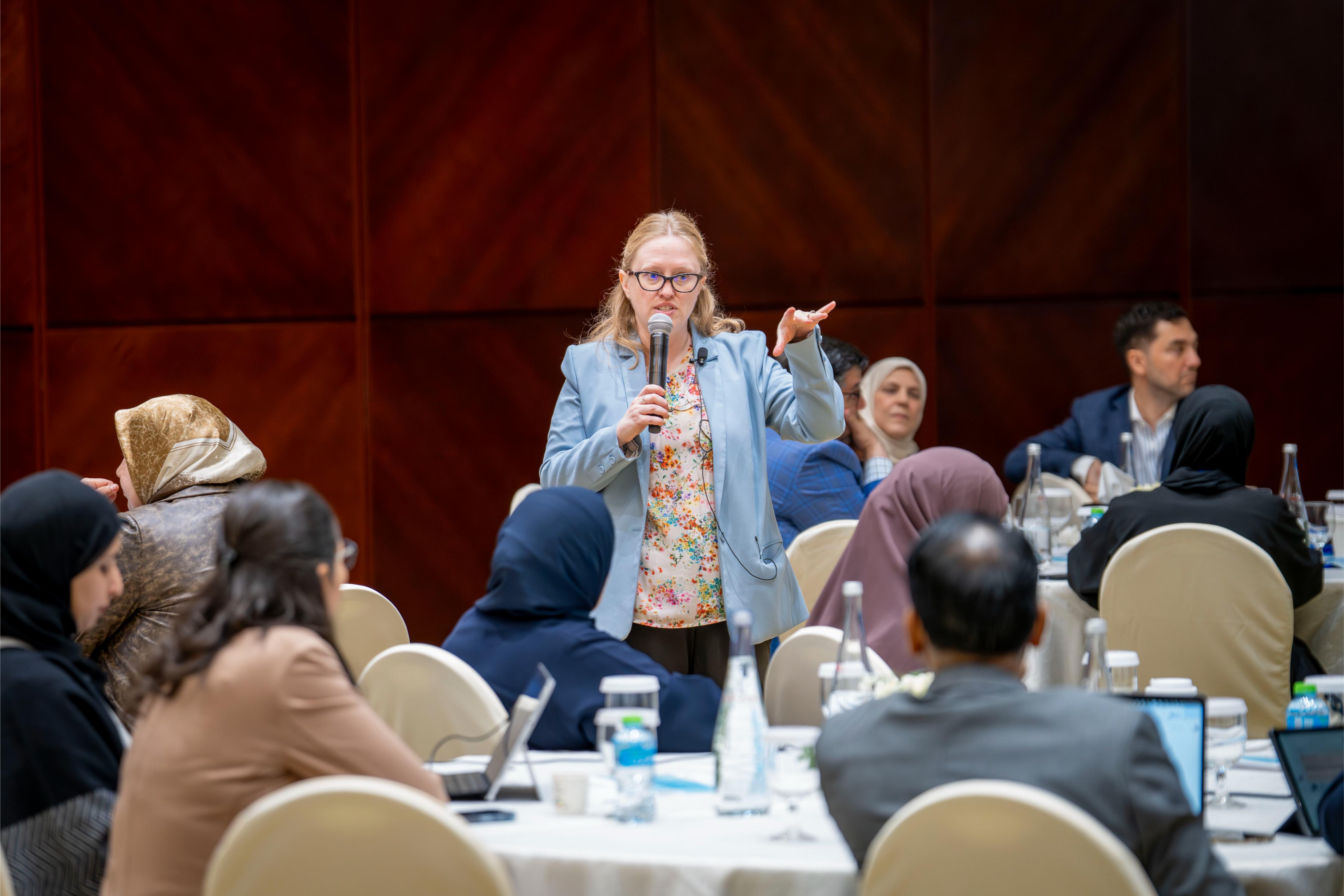
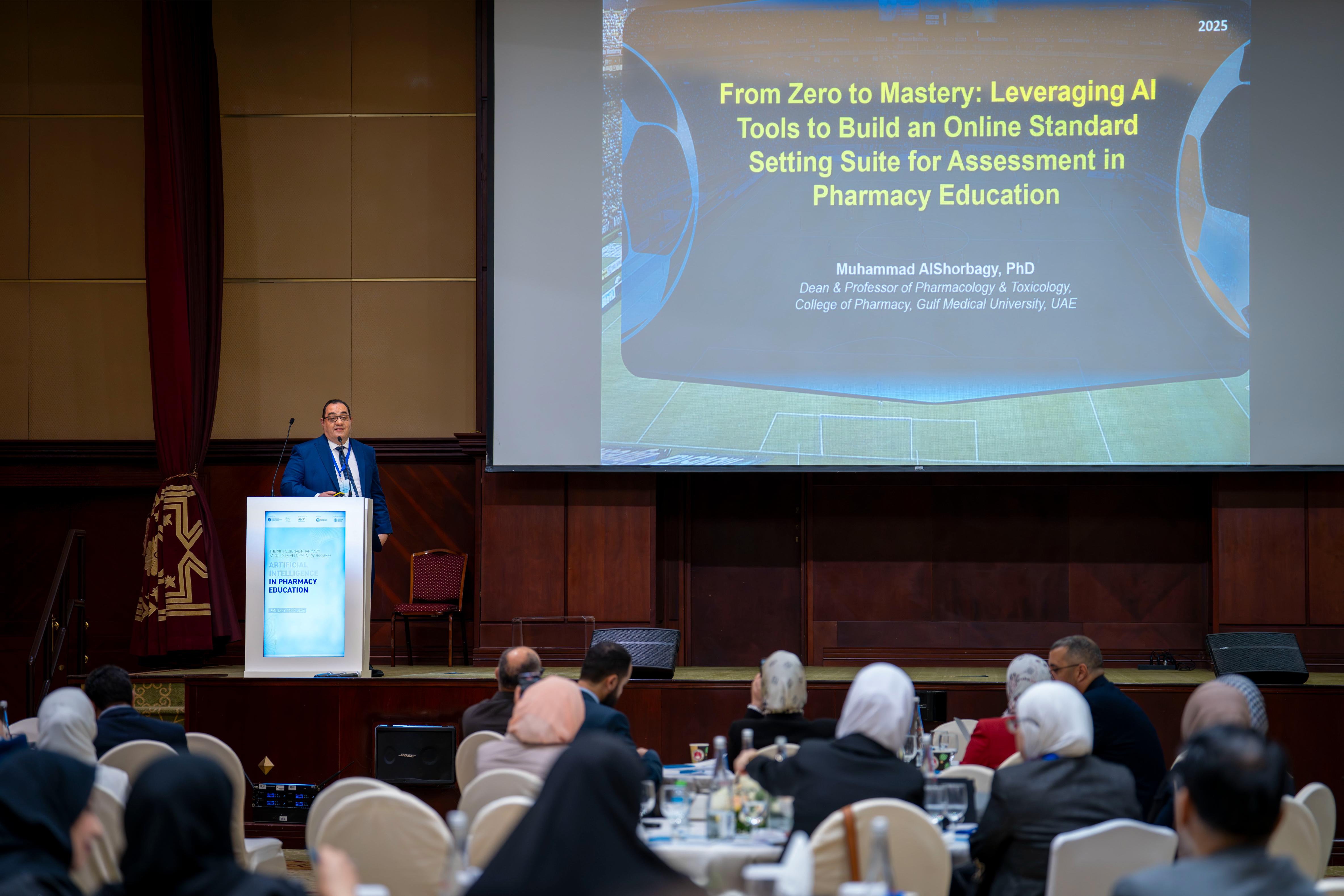
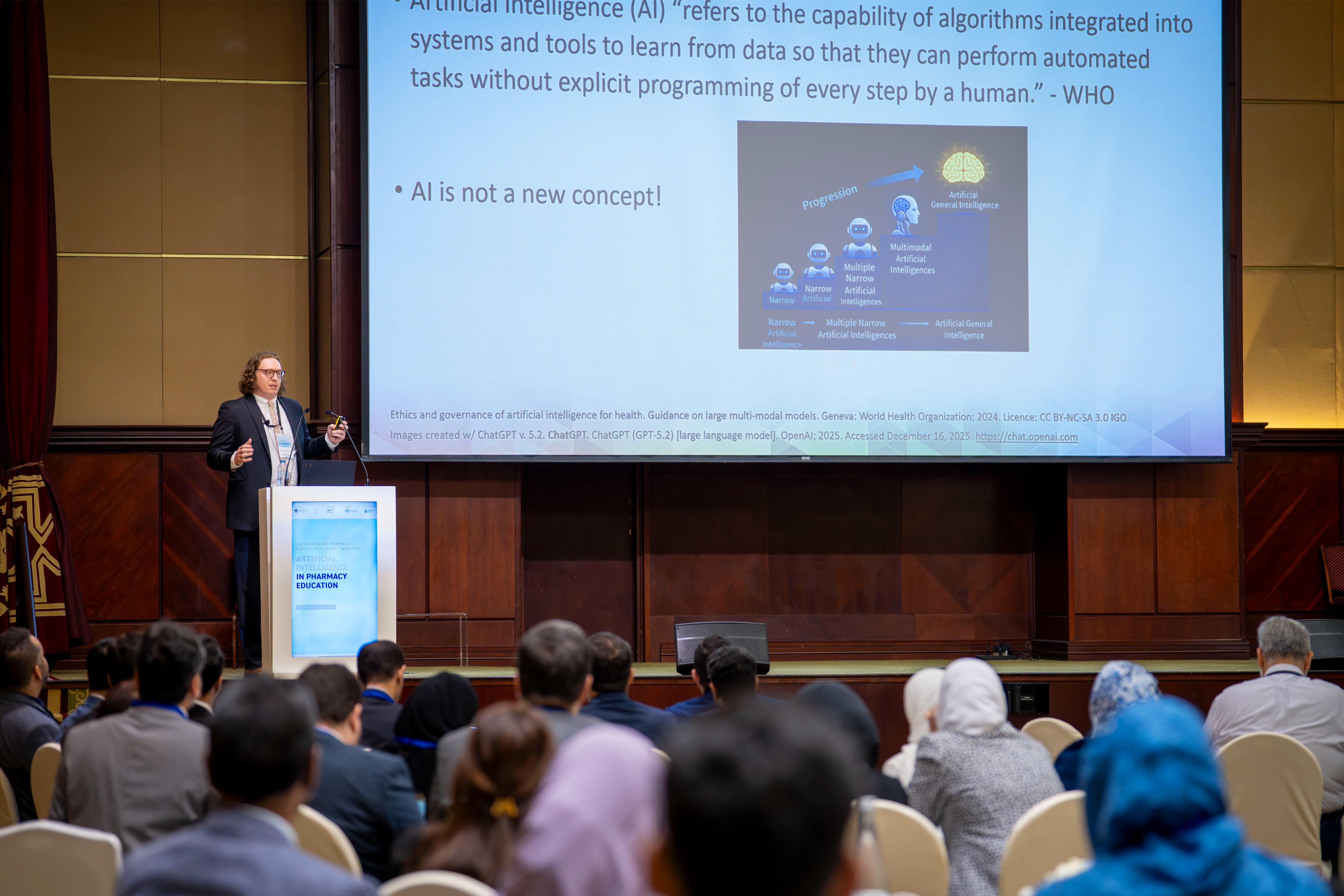
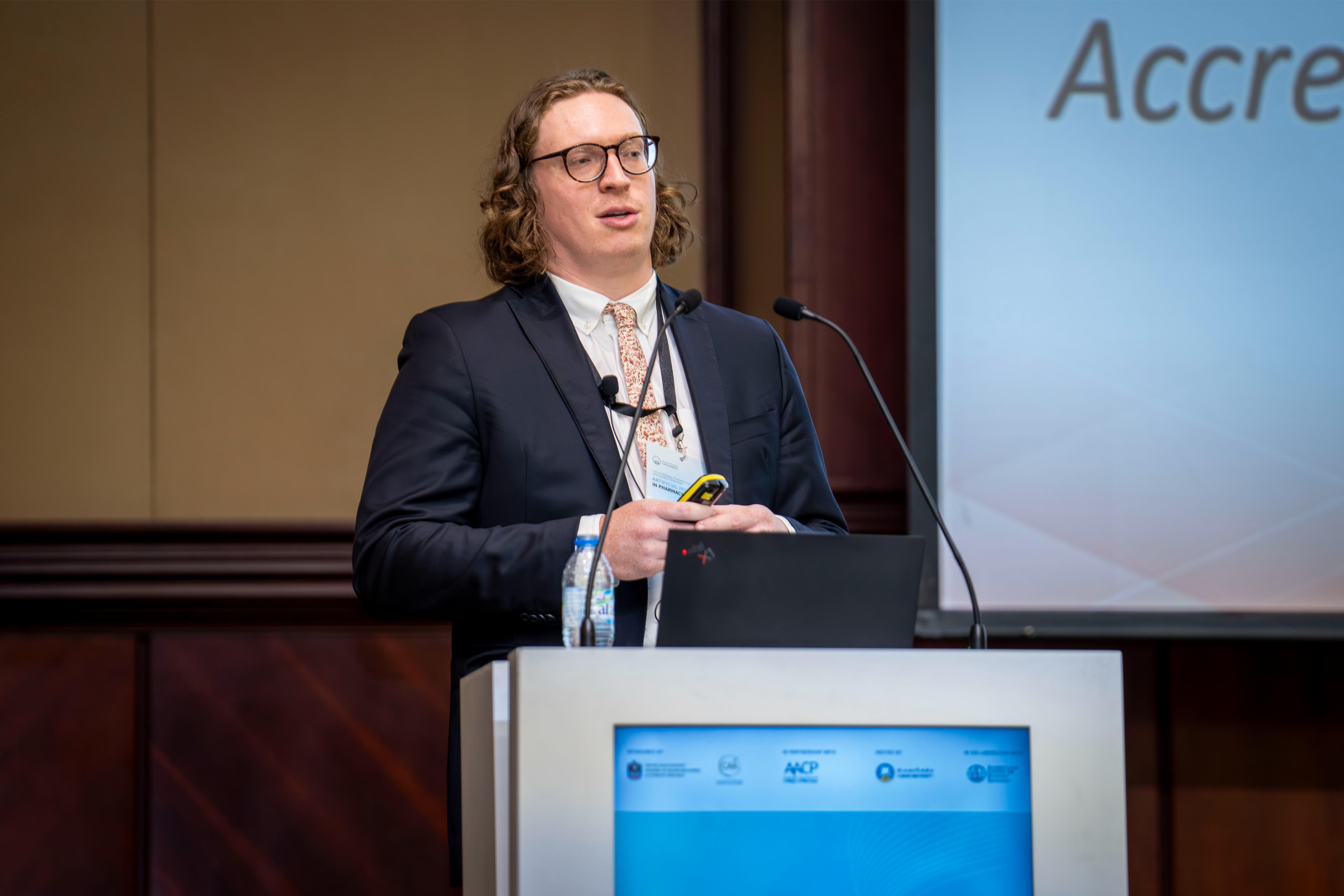
Across the two days, the program featured expert-led sessions addressing ethical and legal considerations in the use of AI, AI-enabled curriculum development, individualized and competency-based learning, assessment analytics, and the application of AI in clinical pharmacy education. The agenda combined structured discussions with hands-on learning activities, enabling participants to engage directly with practical tools for course design, assessment construction, simulation, and continuous quality improvement.
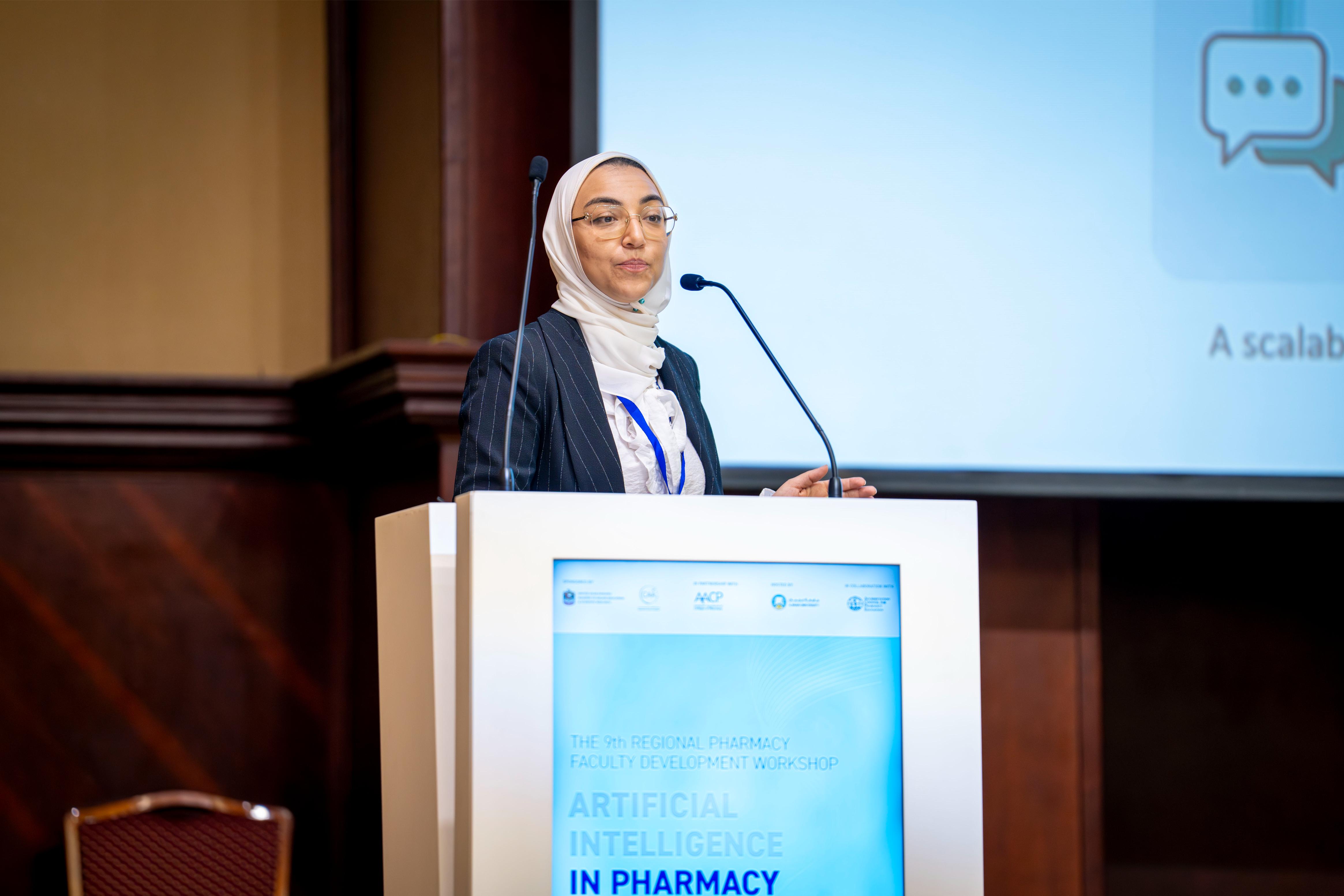
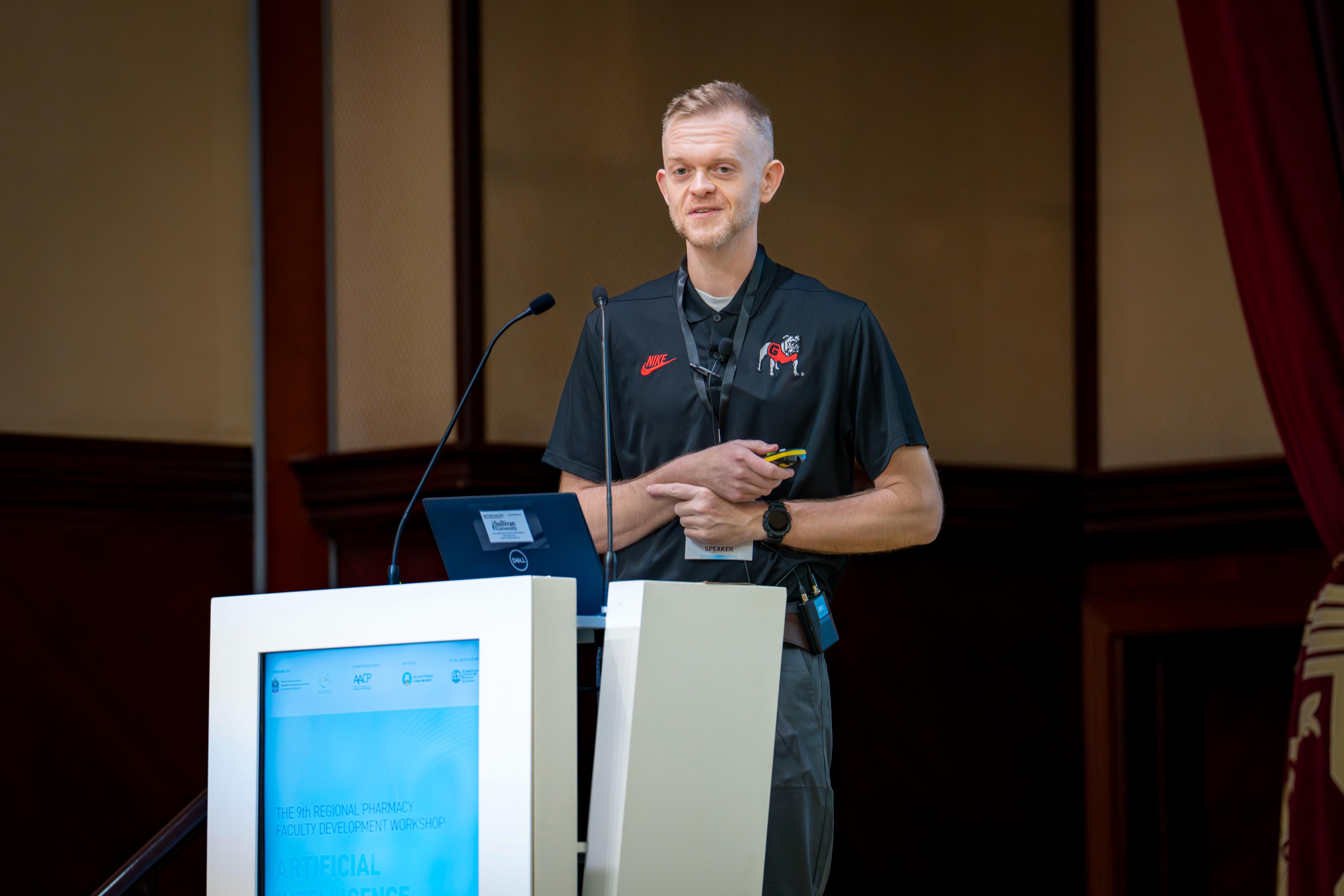
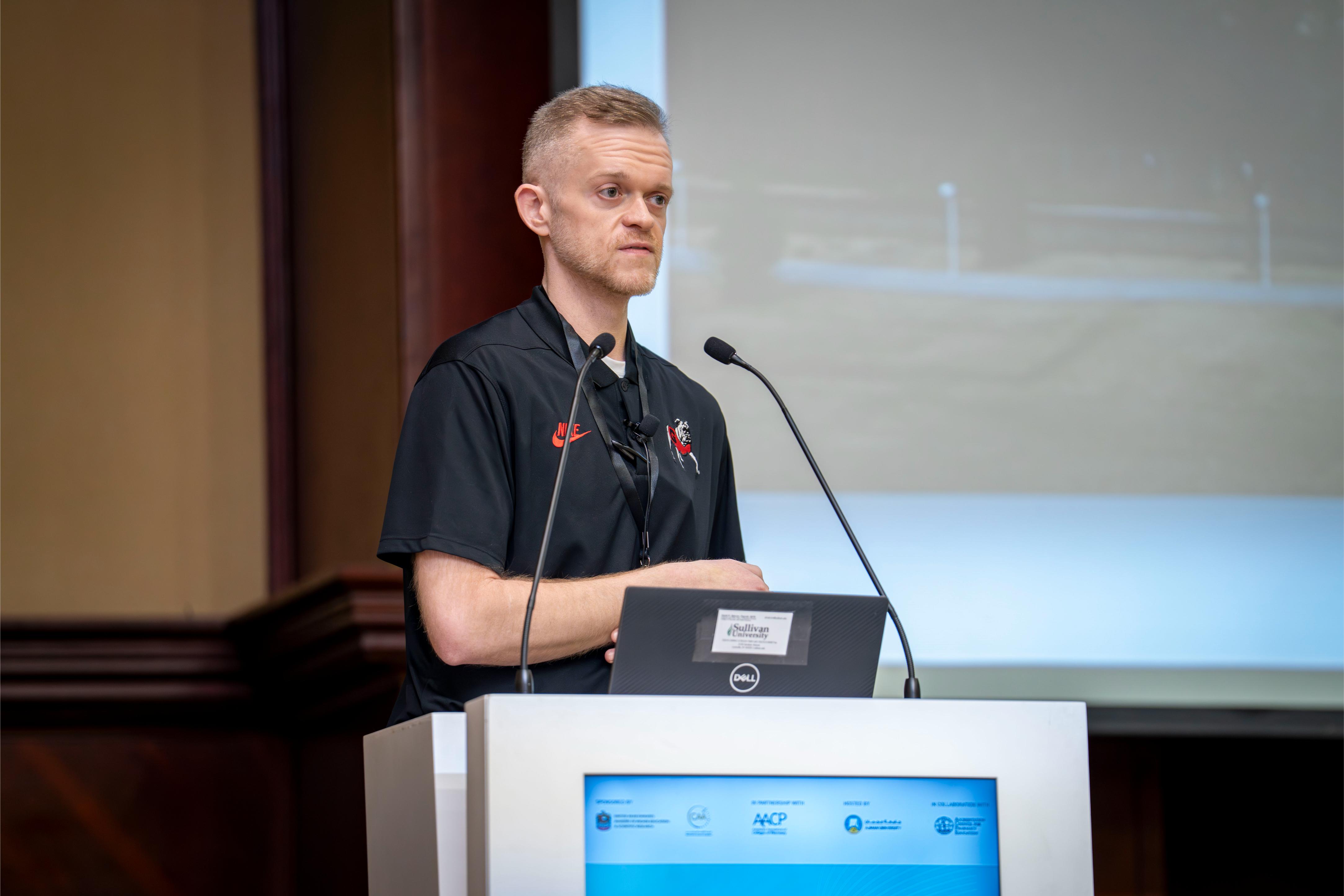
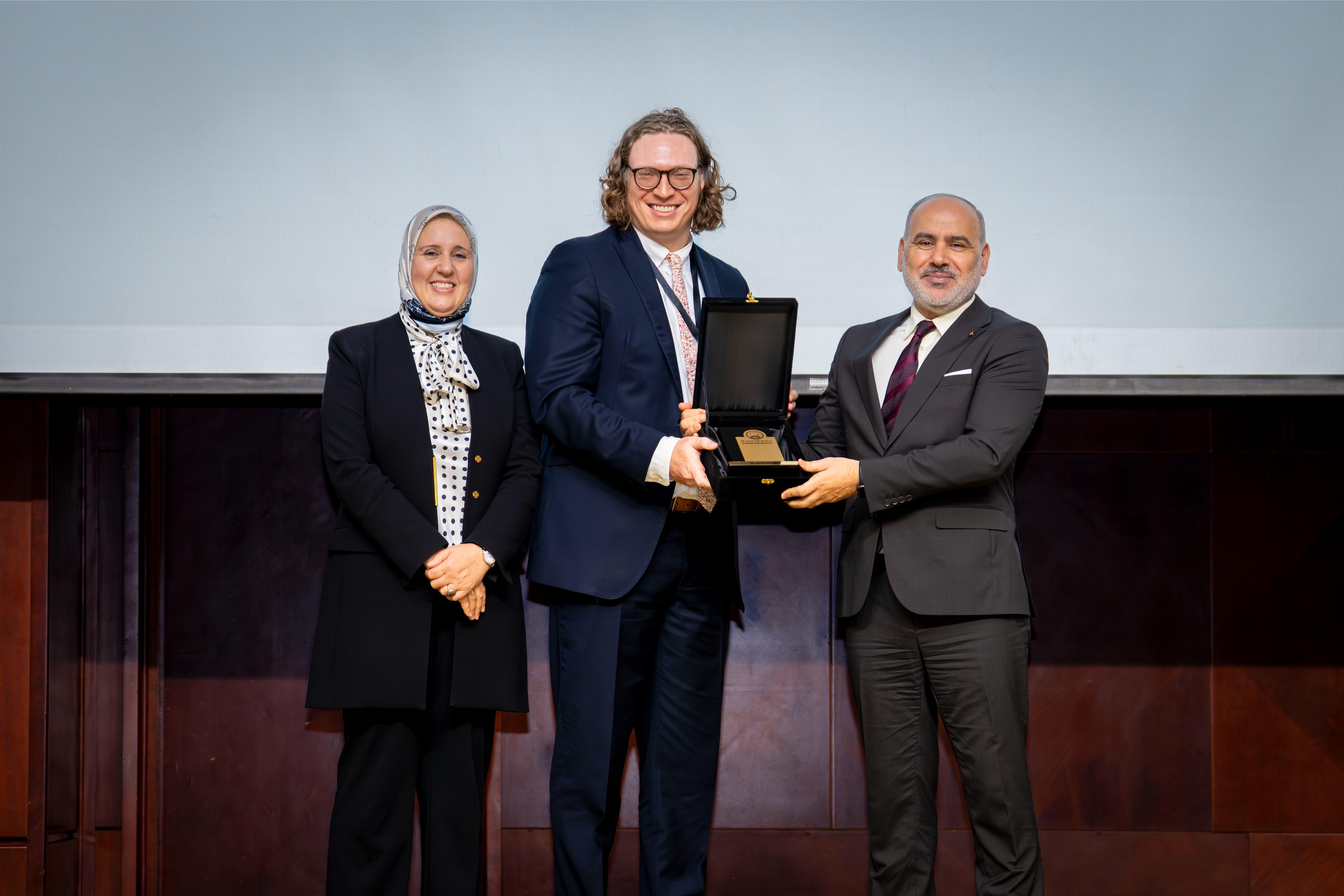
International speakers from accredited pharmacy institutions in the United States contributed perspectives on generative and predictive AI, administrative efficiency, and responsible adoption of AI in academic environments. Regional faculty members also presented applied research and case studies, highlighting how AI is being explored and implemented within pharmacy programs across the region.
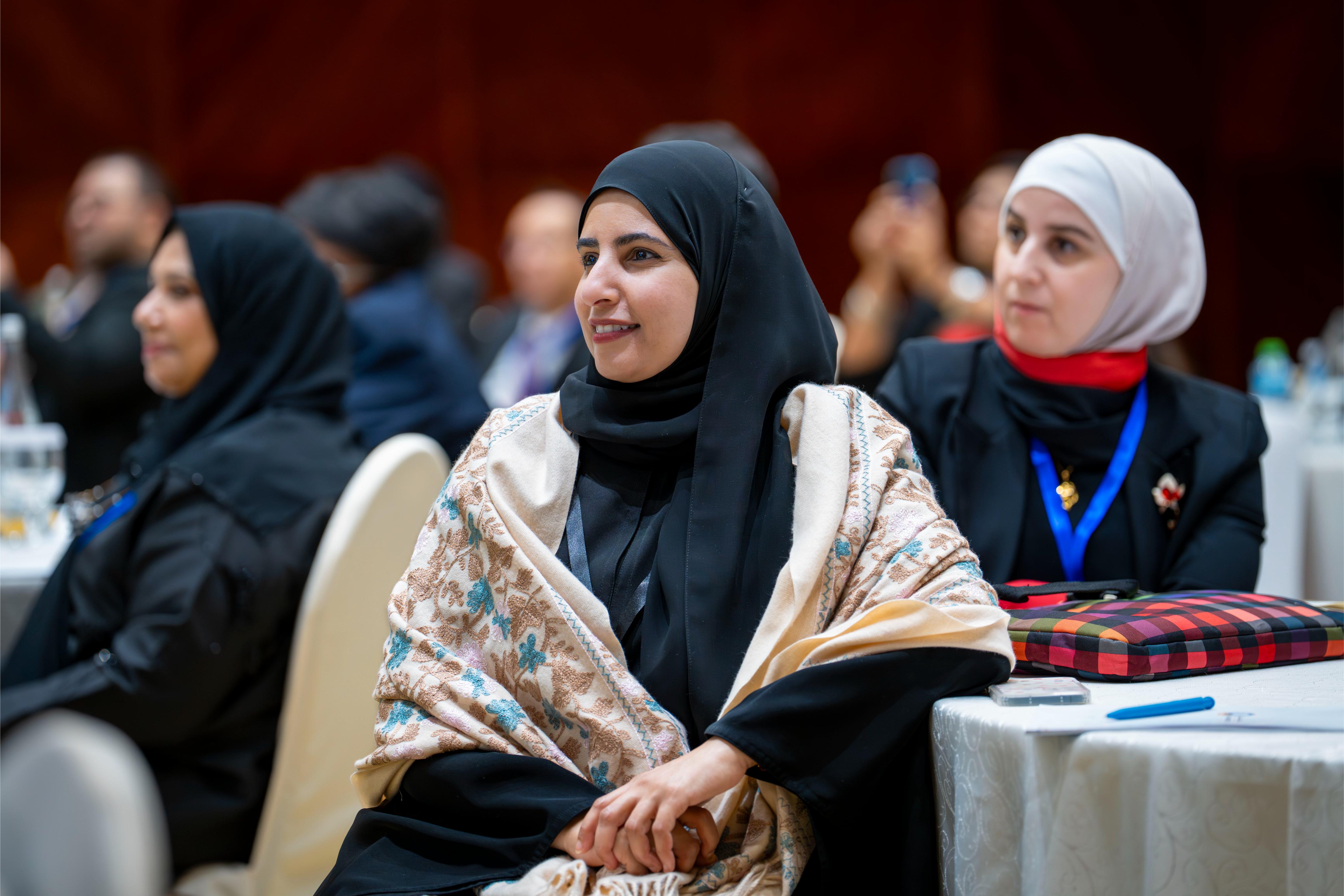
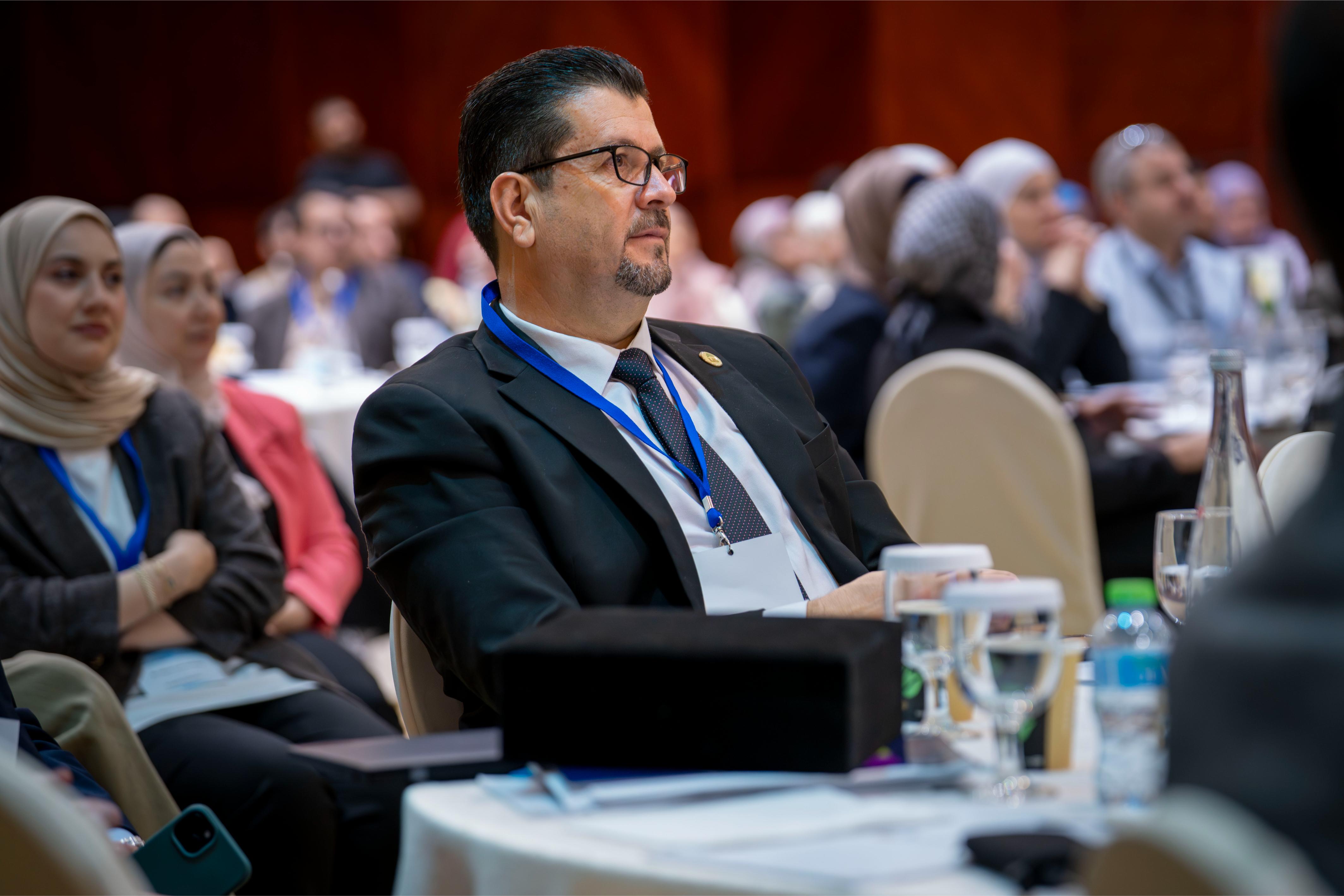
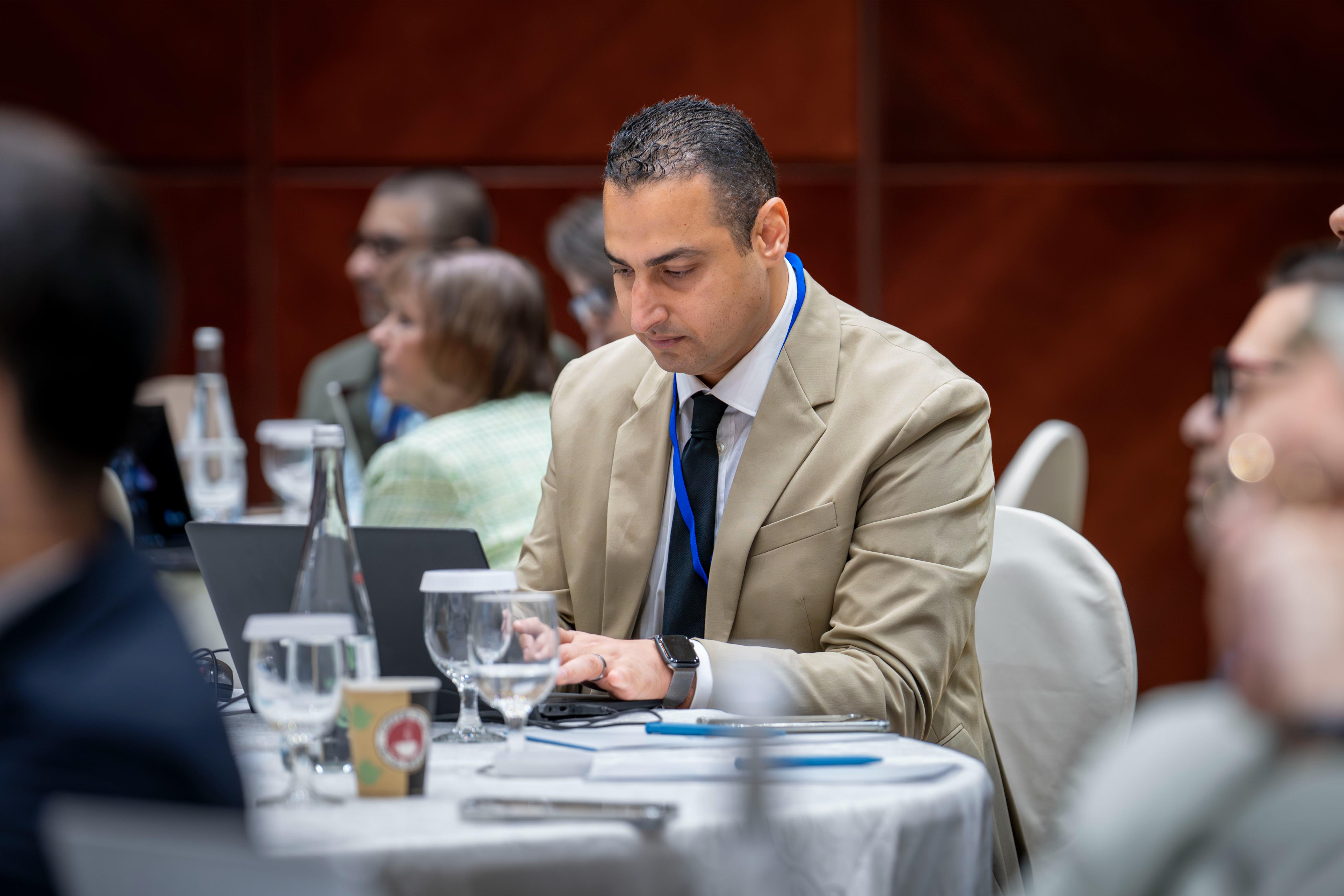
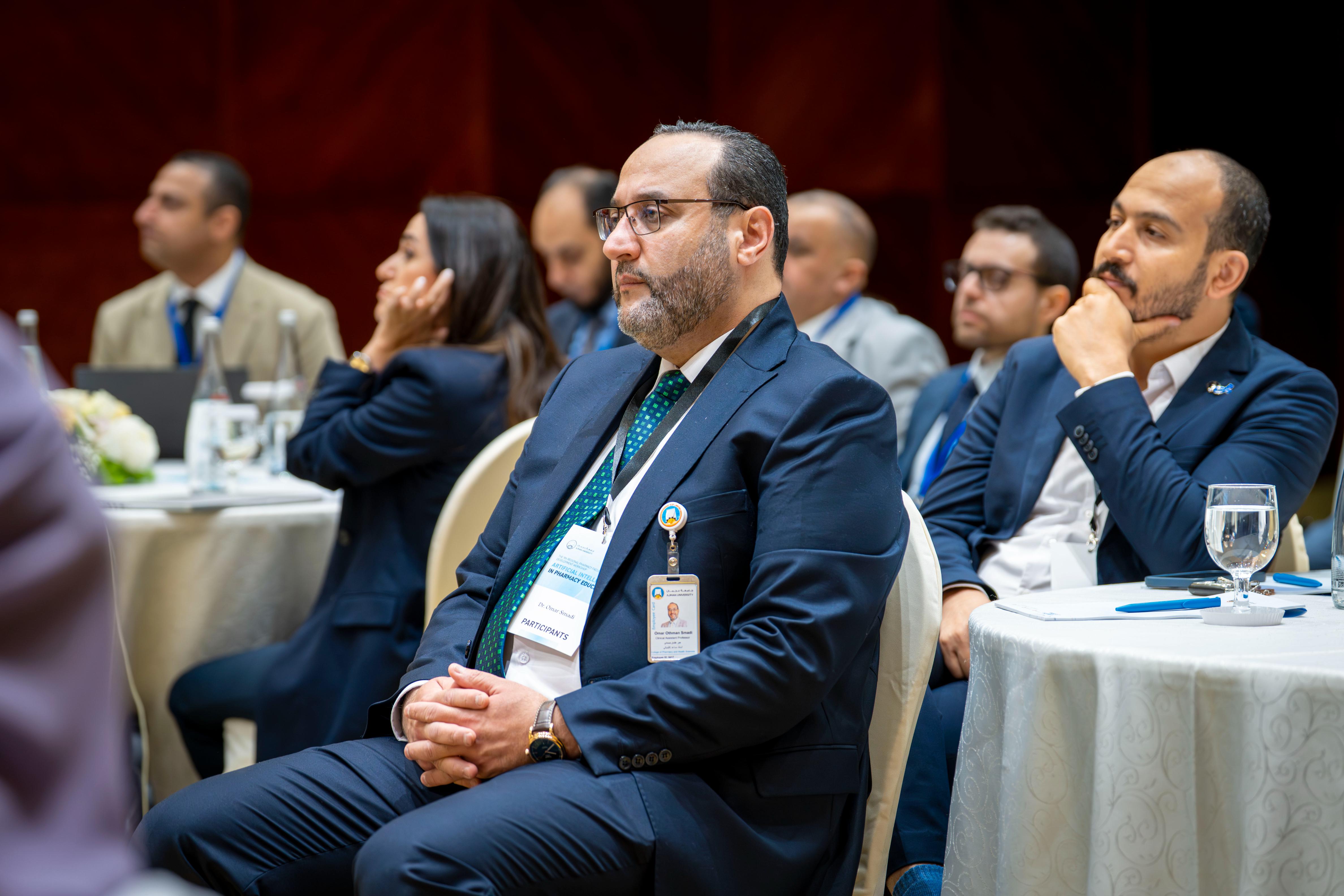
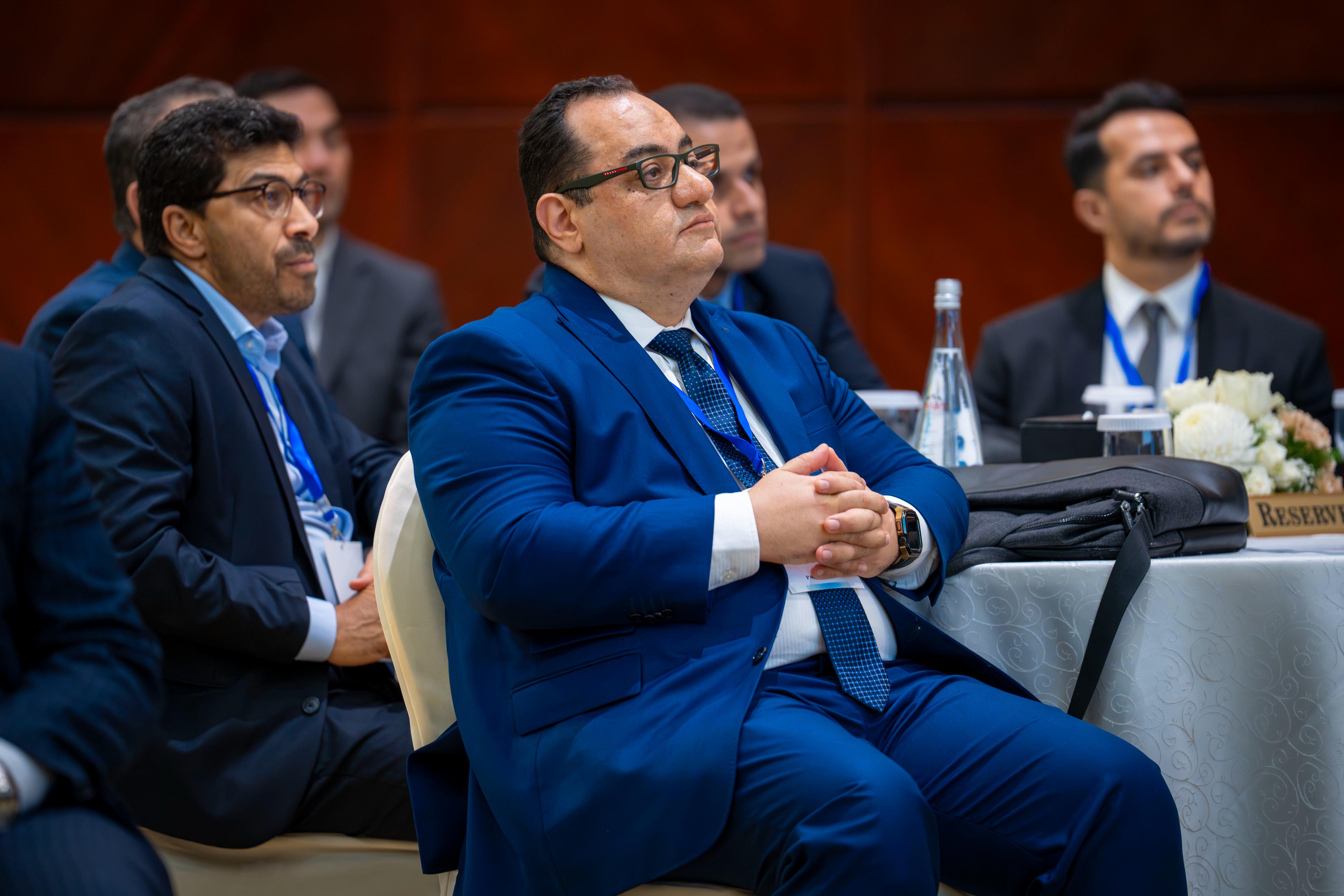
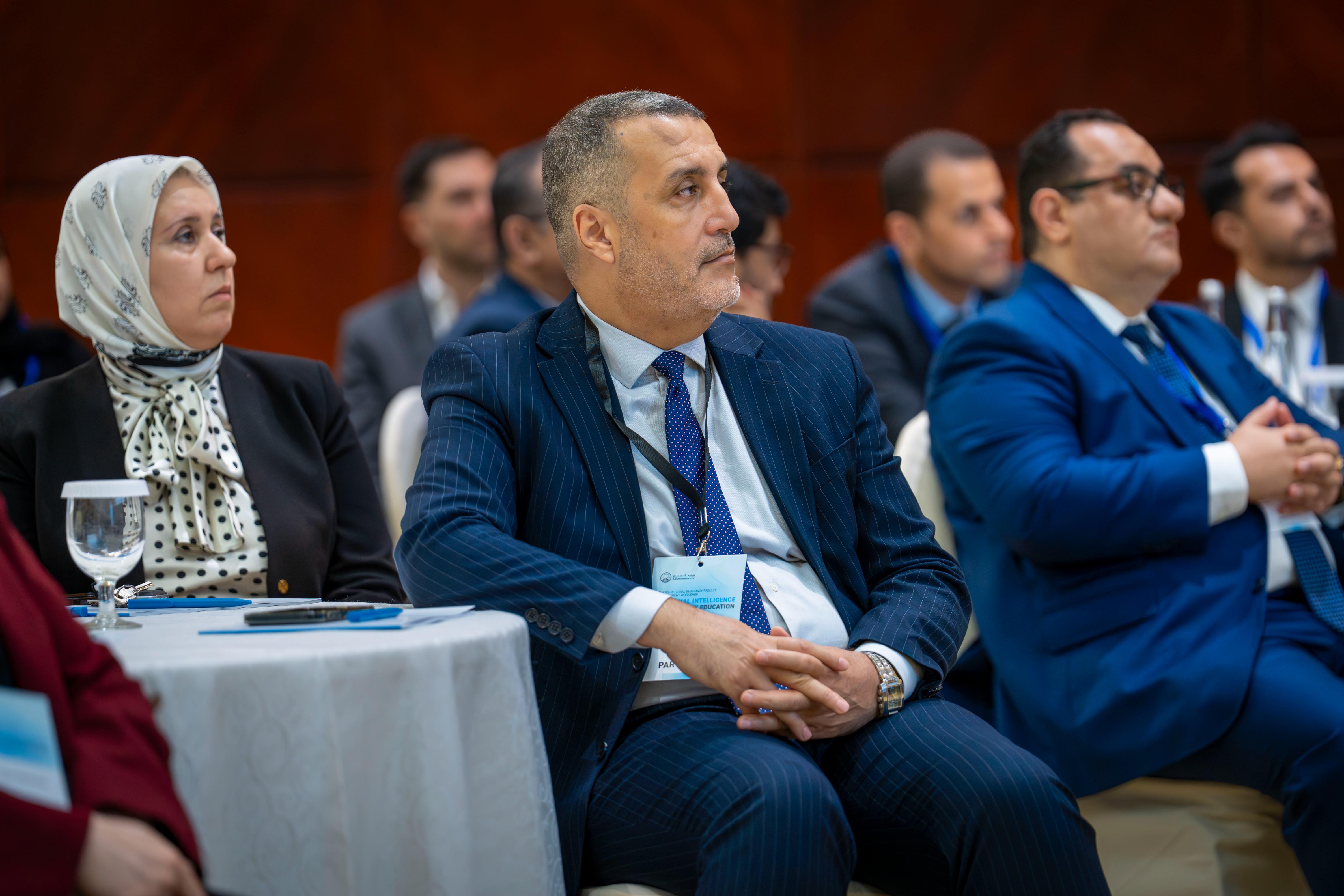
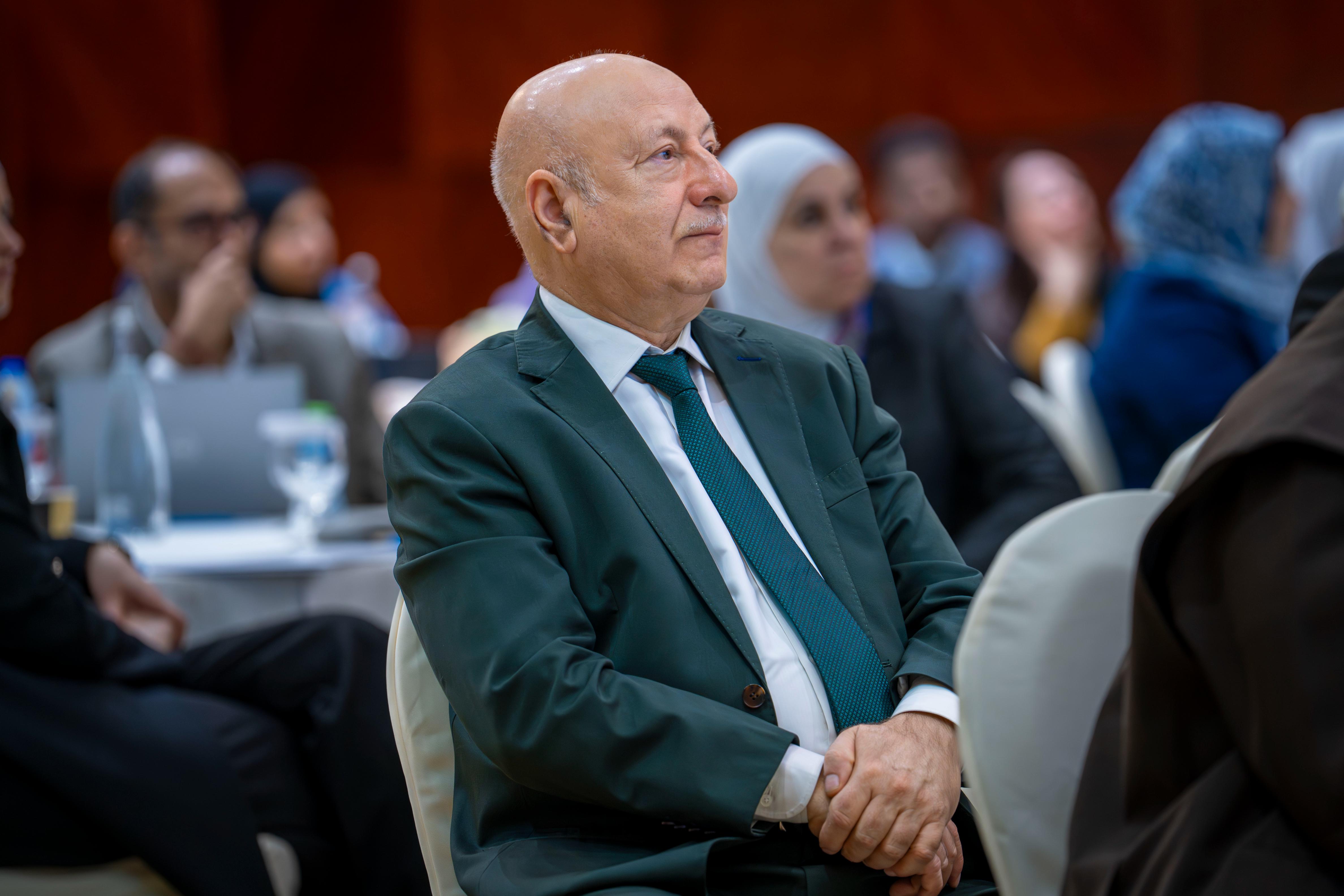
This prestigious gathering attracted over 100 participants from more than 20 educational institutions, spanning at least eight countries. The event’s international representation underscored its pivotal role as a hub for advancing innovation and best practices in pharmacy education through artificial intelligence.
Dr. Khalid Askar, Director of Innovation and Scientific Research at MoHESR, said: “The workshop supports the Ministry's objective of enhancing the higher education system by empowering faculty to keep up with rapid progress, particularly in health sciences and AI. This fosters the development of advanced educational programs and future-ready competencies.”
Dr. Khalid added: "At MoHESR, we remain committed to improving education quality by integrating smart technologies, strengthening partnerships with higher education institutions and accreditation bodies, and aligning curricula with national and international standards. This contributes to building skilled national talent to meet labor market demands and achieve the UN’s Sustainable Development Goals (SDGs)."
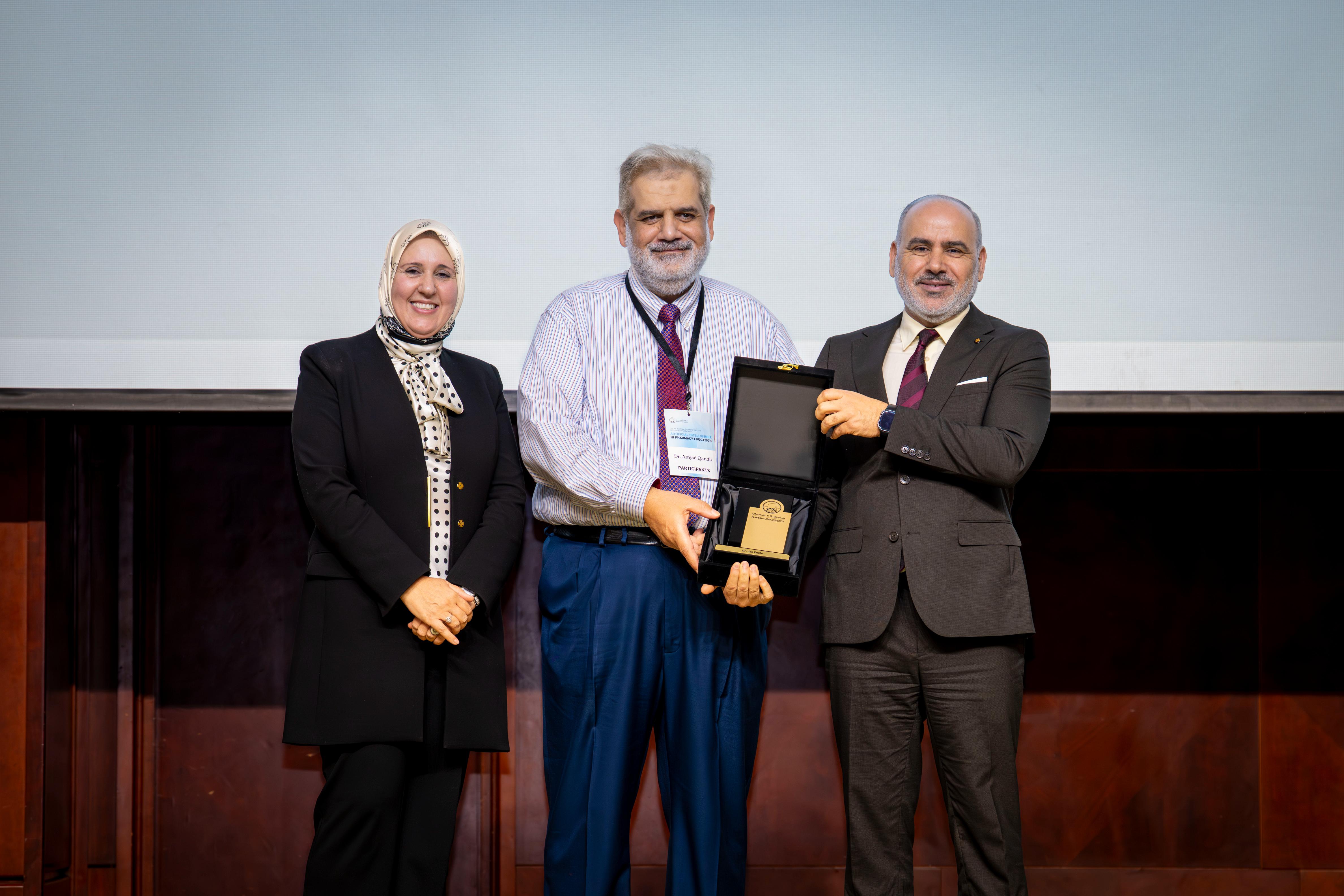
Commenting on the workshop, Dr. Karim Seghir, Chancellor of Ajman University, said: “Higher education institutions have a responsibility to anticipate how emerging technologies will shape professional practice and to prepare faculty accordingly. By convening this regional workshop, Ajman University is contributing to a policy-informed conversation on how artificial intelligence can be integrated into pharmacy education in ways that strengthen academic quality, support accreditation expectations, and respond to the evolving needs of the healthcare workforce.”
The successful hosting of the 9th Regional Pharmacy Faculty Development Workshop underscores Ajman University’s continued focus on academic development, evidence-based innovation in teaching and learning, and strengthening collaboration between academic institutions, accrediting bodies, and national stakeholders.